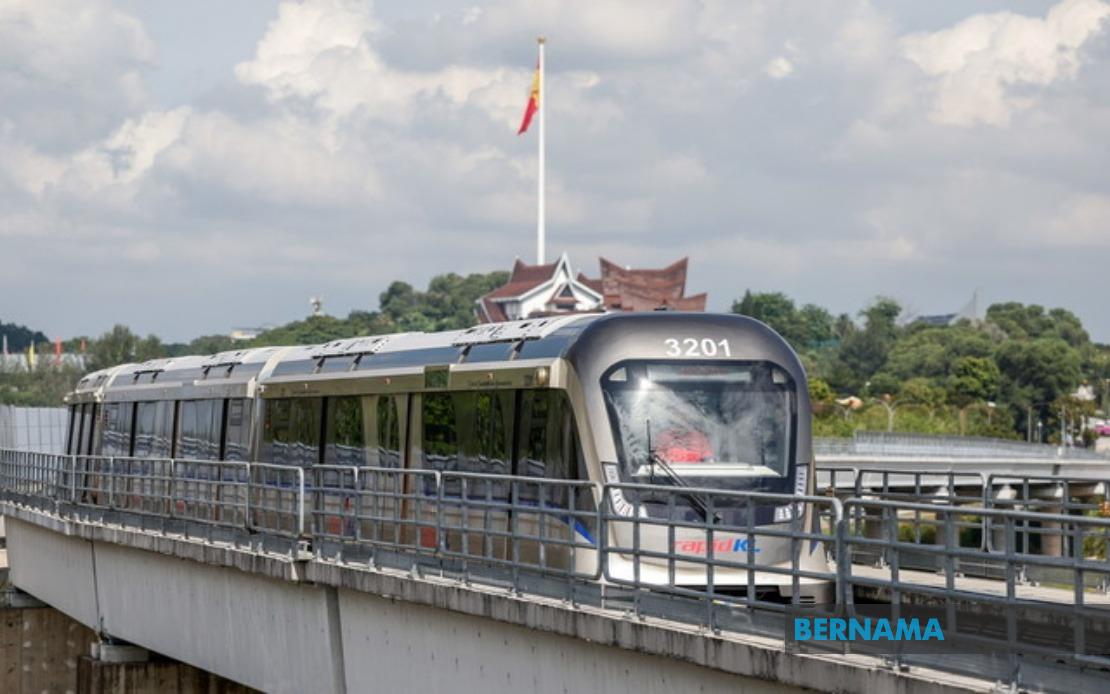
The long-awaited Light Rail Transit 3 (LRT3) Shah Alam Line has completed construction and stands ready to commence passenger operations, marking a significant milestone in the Klang Valley's public transport infrastructure. The 37.8-kilometre rail corridor, stretching from Bandar Utama in the west to Johan Setia in the east, will be officially inaugurated by Prime Minister Datuk Seri Anwar Ibrahim during a ceremony scheduled for Sunday, June 28, according to Shah Alam line chief Mohd Ariffin Idris. The launch event will also reveal the commercial opening date and operational hours for the new service, which is projected to transform commuting patterns across the Selangor region.
The rail line encompasses two distinct geographical segments with complementary station networks designed to maximise accessibility across diverse residential and commercial zones. The western portion begins at Bandar Utama, where passengers will enjoy seamless interchange facilities with the existing Kajang Line, facilitating multi-modal connections within the broader rapid transit ecosystem. Moving eastward, the line traverses through established suburban townships including Subang, Damansara Idaman, and Glenmarie, before reaching the central urban corridor. Midway through its journey, another critical interchange point has been established at Glenmarie 2, enabling connections with the Kelana Jaya Line and expanding the network's reach into southern Petaling Jaya and beyond.
The 20 stations serving this corridor represent carefully planned nodes reflecting both existing settlement patterns and anticipated urban growth trajectories. The western cluster includes Bandar Utama, Kayu Ara, BU 11, Damansara Idaman, Subang, Glenmarie 2, Kerjaya, Stadium Shah Alam, Dato' Menteri, and UiTM Shah Alam, serving younger suburban constituencies and educational institutions. The eastern portion extends into the industrial and traditional commercial heartland, encompassing Seksyen 7 Shah Alam, Bandar Baru Klang, Pasar Klang, Jalan Meru, Jambatan Kota, Taman Selatan, Seri Andalas, Klang Jaya, Bandar Bukit Tinggi, and Johan Setia. This strategic distribution ensures coverage of manufacturing clusters, traditional markets, and emerging residential developments across the Shah Alam municipal area.
Integrating the new rail service into the broader public transport landscape has been a central consideration in the project's implementation strategy. Prasarana Malaysia Berhad has deployed an extensive network of supporting feeder infrastructure comprising 40 dedicated bus services operating across 13 distinct routes with 323 designated stops throughout the service corridor. These buses operate from early morning until late evening, from 6 am to 11:30 pm, at a standardised RM1 fare that removes financial barriers to access for lower-income commuters. Beyond conventional bus services, the operator has introduced 44 rapid on-demand minivans serving 20 zones at RM2 per journey, providing flexible point-to-point connectivity for passengers whose origins and destinations fall outside conventional transit corridors.
The feeder service architecture reflects data-driven planning principles that acknowledge diverse commuting patterns across the service area. Rather than imposing rigid route configurations from project inception, Prasarana has designed the system with inherent flexibility, allowing routes and service frequencies to evolve based on observed passenger demand and travel behaviour patterns once commercial operations commence. This adaptive approach demonstrates learning from earlier transit line implementations, where fixed route designs sometimes proved misaligned with actual commuter needs. The integration of technology-enabled on-demand services alongside traditional scheduled buses creates a multi-layered approach catering to both predictable morning-evening peak commutes and irregular off-peak movements.
Automotive commuters represent another significant constituency, and the new line addresses their needs through strategically distributed parking facilities totalling 2,300 bays across six stations. Kayu Ara, Damansara Idaman, Pasar Besar Klang, Seri Andalas, Bandar Bukit Tinggi, and Johan Setia have been designated as kiss-and-ride destinations, enabling households with personal vehicles to leverage park-and-ride convenience. This dual-modal approach acknowledges the transitional phase during which many households remain vehicle-dependent while gradually shifting towards rail-based commuting as network quality and service reliability establish consumer confidence. The geographic distribution of parking reflects anticipated origin-destination patterns, with concentrations at peripheral stations where vehicle ownership remains higher and rail's relative advantage to driving diminishes.
Operational projections reveal optimistic growth expectations tied to market penetration and network effects. Prasarana anticipates 67,000 daily passenger journeys during the line's inaugural year, with this figure escalating to 117,708 daily riders within five years as network effects mature and complementary urban development materialises. These forecasts assume gradual adoption curves typical of rail transit in developing Asian cities, where behavioural shifts towards public transport occur incrementally as network coverage expands and service reliability builds consumer confidence. The projection trajectory reflects confidence that the Shah Alam Line will catalyse supplementary modal shift by providing competitive journey times against private vehicles, particularly during congested peak periods when the expressway corridors serving this region experience chronic bottlenecks.
Environmental sustainability has been embedded throughout the project's design and operational parameters. The light rail vehicles feature inverter-based air conditioning systems that reduce energy consumption compared with conventional cooling systems, addressing operational carbon intensity. Station architecture has been conceived to maximise natural ventilation and daylighting, decreasing dependence on artificial climate control during daylight hours. These design interventions reflect growing recognition within Malaysian transport planning that infrastructure longevity depends on minimising operational costs and environmental footprints, particularly important given the tropical climate's demands on cooling systems. The sustainability features position the Shah Alam Line within broader decarbonisation frameworks that increasingly influence regional development priorities and investor expectations.
Accessibility and inclusive design represent another defining characteristic of the new infrastructure. All 20 stations incorporate wheelchair ramps and disability-compliant sanitary facilities, while passenger vehicles include dedicated seating arrangements for persons with mobility restrictions. This comprehensive accessibility framework reflects evolving Malaysian transport standards that prioritise inclusivity, moving beyond minimum compliance toward genuinely welcoming infrastructure for elderly passengers, parents with young children, and persons with disabilities. The provision of accessible facilities throughout the network ensures that mobility benefits extend beyond able-bodied commuters, advancing transport equity objectives increasingly central to Southeast Asian urban policy discourse.
The launch of the Shah Alam Line represents the penultimate stage of a broader infrastructure expansion programme, with additional development phases already in advanced stages of preparation. Five stations originally included in the project scope—Tropicana, Raja Muda, Temasya, Bukit Raja, and Bandar Botanik—have been deferred for reconstruction and integration into the network. Mohd Ariffin confirmed that reconstruction activities targeting these locations will commence by the end of the calendar year, extending the ultimate network configuration and serving additional residential neighbourhoods across south-central Selangor. This phased approach reflects practical construction sequencing that prioritises completion of core operational segments while managing project complexity and resource allocation across a sprawling metropolitan region.
For Malaysian commuters and transport planners, the Shah Alam Line completion signals meaningful progress toward a more integrated rapid transit network serving the Klang Valley's chronically congested corridor. The line's opening will introduce competitive journey times against private vehicles for specific origin-destination pairs, particularly for travellers whose commutes align with the line's corridor routing. Integration with existing Kajang and Kelana Jaya lines through interchange facilities creates genuine network effects that enhance system utility beyond individual line capacity. For the two million residents positioned to benefit from improved transit access, the new line promises reduced commuting time, lower personal transportation costs, and access to employment centres previously requiring lengthy automobile journeys. The infrastructure investment reflects sustained commitment to addressing transport challenges that constrain urban productivity and quality of life across Malaysia's most economically significant metropolitan region.

