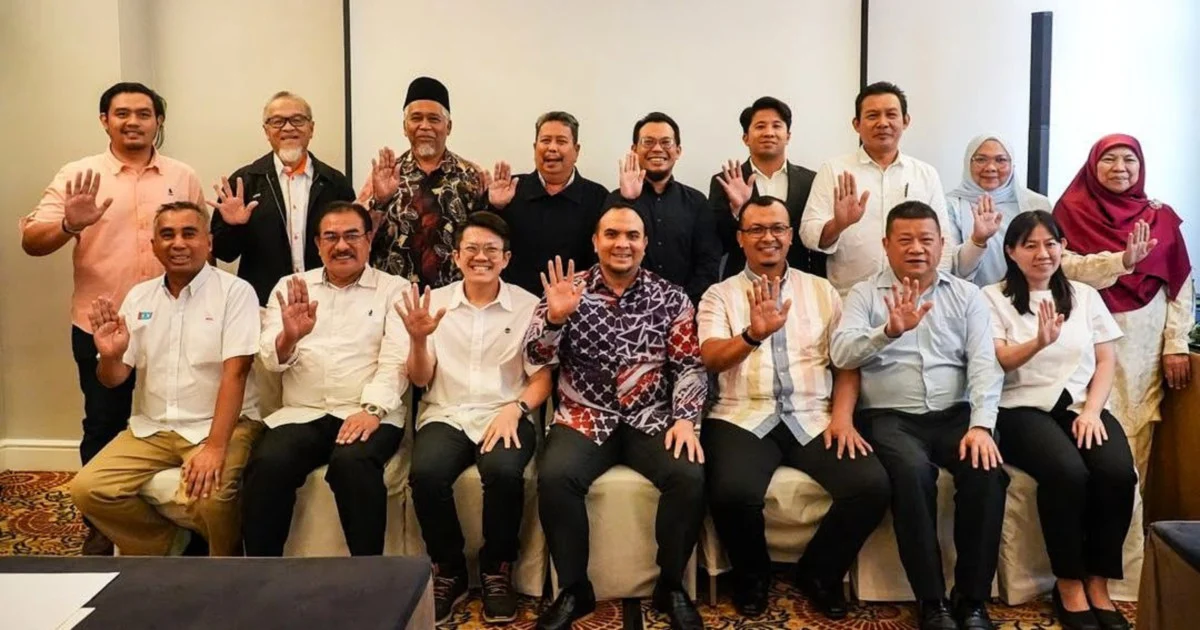
The leadership of Pahang Pakatan Harapan has undergone a significant reshuffle with the appointment of Datuk Ahmad Farhan Fauzi as the state coalition's new chairman. Ahmad Farhan, who serves as the political secretary to Prime Minister Datuk Seri Anwar Ibrahim, assumes the position following the transition of previous leadership structures within the Pahang branch of the broader opposition-turned-governing coalition.
This appointment carries considerable weight beyond the administrative realm, as it effectively extends Prime Minister Anwar Ibrahim's direct influence into state-level politics in Pahang, one of the peninsula's most significant electoral battlegrounds. The positioning of a member of the Prime Minister's office into such a prominent role signals intentional coordination between federal and state party machinery, a strategic move that reflects the coalition's emphasis on unified decision-making across different political tiers.
Ahmad Farhan's elevation to the chairmanship represents a consolidation of power among loyalists close to the Prime Minister's administration. His background as a trusted aide within Anwar Ibrahim's inner circle suggests that the appointment aims to ensure alignment between Pahang PH's direction and the coalition government's broader objectives. This pattern of placing politically aligned figures in state leadership positions has become increasingly common across Malaysian politics in recent years, as parties seek to strengthen coordination between Putrajaya and state capitals.
Pahang holds particular strategic importance within Malaysia's political landscape. As the nation's largest state by area and home to crucial constituencies, the state's political alignment directly impacts the stability of the federal government. The Pakatan Harapan coalition, which won the 2022 general election but without a commanding majority, depends heavily on maintaining strong performance in key states like Pahang to demonstrate electoral viability ahead of future contests.
The appointment also reflects internal restructuring within Pahang PH itself, where questions about leadership direction and coalition cohesion have periodically emerged. By installing a figure directly connected to the Prime Minister's office, the coalition aims to project a unified front and clarify decision-making hierarchies. This move potentially addresses concerns about fragmentation that had occasionally surfaced among Pahang's component parties.
Understanding Ahmad Farhan's trajectory provides context for this appointment. His service in the Prime Minister's political office indicates a background in high-level political management and close proximity to Anwar Ibrahim's strategic thinking. Such positions typically involve orchestrating communication between different party organs, managing political relationships, and translating leadership directives into operational plans. These skills directly translate to managing a complex coalition environment at the state level.
The timing of this appointment warrants consideration within Malaysia's evolving political calendar. While specific dates for Pahang state elections remain uncertain, the state has long been expected to hold polls as part of the next election cycle. Strengthening leadership well ahead of such contests allows time to consolidate party organization, refine electoral strategies, and address any internal management issues before high-stakes campaigning commences.
For observers tracking Pakatan Harapan's internal dynamics, this development demonstrates the coalition's preference for centralized direction rather than autonomous decision-making among state branches. Such an approach can enhance coordination and consistency but also occasionally creates tension within coalition partners who may prefer greater state-level autonomy. The extent to which Ahmad Farhan balances directive from Putrajaya with responsiveness to local Pahang politics will test this new arrangement's effectiveness.
The broader implications extend beyond Pahang's borders. Leadership changes within the country's state-level party structures often signal shifts in federal-level political calculations. This appointment may indicate the government's determination to tighten organizational discipline across its machinery following its narrow victory in the 2022 elections and the various political challenges that have subsequently emerged.
Regional observers should note how this reflects Southeast Asian patterns where dominant governing coalitions frequently strengthen their grip over regional strongholds through leadership appointments. Malaysia's approach, involving the placement of federal loyalists into state structures, follows a model seen elsewhere in the region where centralization of political control becomes a management tool for coalition governments lacking overwhelming electoral mandates.
For Pahang's political stakeholders, including members of Pakatan Harapan's constituent parties and the broader opposition, this move clarifies the coalition's power structure in the state. Clear hierarchies, while potentially limiting input from some quarters, can provide decisive leadership and consistent messaging—qualities that electoral politics increasingly demands. Whether this approach strengthens or strains the coalition's Pahang operations will become evident during the next election cycle.

