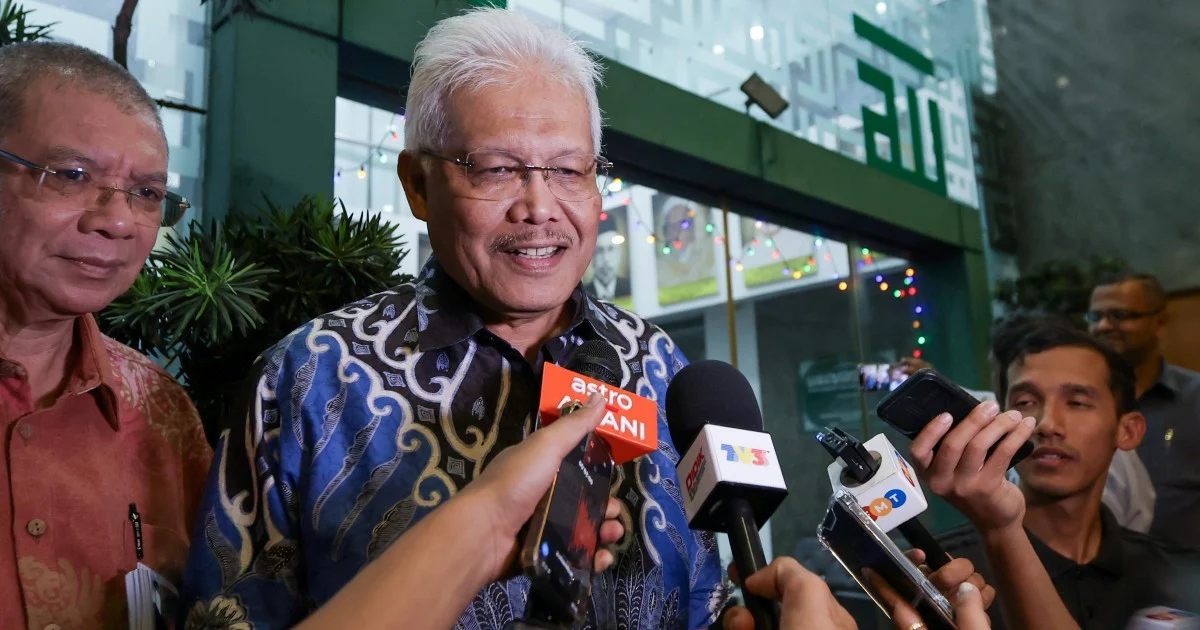
The Perikatan Nasional coalition has formally initiated the reappointment of Datuk Seri Hamzah Zainudin to the opposition leader position through official parliamentary channels. Datuk Seri Takiyuddin Hassan, serving as the chief whip for PN, submitted the required notification to the office of the Dewan Rakyat Speaker, cementing the coalition's decision to restore Hamzah to the prominent parliamentary role.
This procedural step carries considerable weight within Malaysia's parliamentary framework, as the opposition leader position is formally recognized under the Federal Constitution and the Standing Orders of the Dewan Rakyat. The notification represents the formal completion of an internal party decision and signals PN's commitment to presenting a unified front in parliamentary opposition to the government. The submission follows the established constitutional protocols that govern such senior parliamentary appointments.
Hamzah's reappointment underscores the stabilization of PN's parliamentary leadership after what appears to have been a period of internal deliberation. As a prominent political figure within the coalition, his return to this influential position carries implications for how the opposition will engage with government policies, propose alternative legislative measures, and hold the executive branch accountable in the Dewan Rakyat.
The opposition leader role carries significant responsibilities including coordinating legislative strategy, articulating the coalition's policy positions, and managing parliamentary business on behalf of the opposition bloc. Hamzah's return to this position suggests PN intends to enhance its effectiveness in these areas, particularly as Malaysia navigates complex economic and political challenges that require robust parliamentary scrutiny.
For Malaysian governance, the clarity provided by this formal notification is important. Parliamentary effectiveness depends on clear leadership structures and defined responsibilities within both government and opposition benches. The reappointment through proper constitutional channels ensures that all parliamentary procedures, including question time and legislative oversight, are conducted with appropriate opposition leadership in place.
PN's decision to reappoint Hamzah rather than seek a different leadership arrangement reflects internal coalition dynamics and assessments of parliamentary effectiveness. The coalition comprises multiple parties with distinct interests, and maintaining cohesion around recognized leadership positions is essential for presenting credible alternative policy frameworks to Malaysian voters and the government.
The timing of this notification may also carry strategic significance. The opposition's ability to function effectively depends partly on stable leadership and clear internal hierarchies. Formalizing Hamzah's reappointment removes any ambiguity about PN's parliamentary representation and allows the coalition to focus more fully on legislative work and policy development.
In the broader context of Malaysian politics, this development reflects the ongoing importance of opposition parties in parliamentary democracy. While government coalitions hold executive power, opposition blocs serve essential functions in scrutinizing government decisions, proposing alternative policies, and ensuring that parliamentary deliberations remain contested and substantive rather than merely ceremonial.
Hamzah's position as opposition leader places him at the forefront of engaging with major policy questions facing the nation, from fiscal management to social welfare initiatives. His previous tenure in this role established certain parliamentary patterns and relationships that his reappointment will likely continue, potentially providing continuity in how PN challenges government proposals.
The formal notification process, while procedurally routine, demonstrates the institutional frameworks that underpin Malaysian parliamentary governance. Even significant political appointments must flow through established constitutional channels, reflecting the principle that political actors operate within defined legal and procedural structures rather than through purely informal arrangements.
For stakeholders tracking PN's strategic direction, this reappointment provides clarity regarding the coalition's parliamentary leadership structure heading forward. It suggests the coalition has resolved any previous questions about its legislative direction and is now positioned to engage with parliament on a stable leadership footing. This stability may influence how effectively PN can coordinate legislative positions across its component parties.
The reappointment also carries implications for how parliament conducts its business. Clear opposition leadership facilitates smoother parliamentary procedure, as the Speaker's office and government business managers can negotiate legislative schedules and procedural matters with identifiable counterparts. Hamzah's official status as opposition leader, once confirmed following this notification, reinstates these important institutional relationships.

