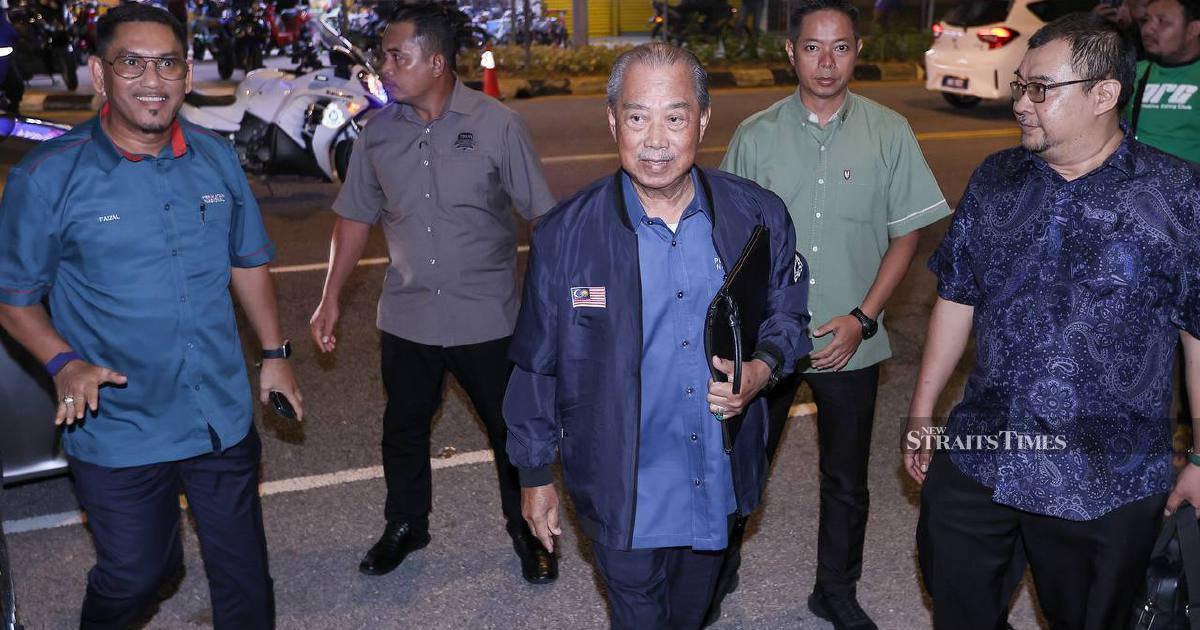
Senior leaders of Perikatan Nasional gathered at party headquarters in Kuala Lumpur tonight for an emergency Supreme Council session, marking a significant moment for the opposition coalition as it navigates an increasingly complex political landscape. The hastily arranged meeting at the PAS headquarters underscores the urgency of matters requiring immediate attention among the bloc's top decision-makers.
The assembly of PN's Supreme Council—comprising representatives from its constituent parties including PAS, PKR's rival faction, Gerakan, and other allied partners—suggests the coalition is grappling with substantive issues that demand coordinated leadership responses. Such emergency gatherings typically occur when coalitions face unexpected developments, internal disagreements, or strategic recalibrations necessary to maintain cohesion among disparate political entities.
For Malaysian observers monitoring opposition politics, this development carries implications for the nation's broader political trajectory. PN has positioned itself as a counterweight to the ruling Pakatan Harapan coalition, and the stability of opposition alliances directly influences parliamentary dynamics and the country's political equilibrium. The timing of such meetings often reflects responses to government actions, shifts in legislative support arrangements, or internal party management issues requiring collective deliberation.
The emergency nature of tonight's session suggests that routine scheduled meetings proved insufficient for addressing the matter at hand. Opposition coalitions in Malaysia operate through delicate balancing acts, where multiple parties with distinct ideological bases and regional strongholds must negotiate common positions. When expedited gatherings become necessary, they typically indicate situations requiring unified messaging or coordinated strategic decisions affecting the coalition's electoral prospects or parliamentary positioning.
Within the Malaysian political context, PN's composition presents both strengths and vulnerabilities. The coalition brings together parties with strong grassroots networks and significant parliamentary representation, yet maintaining unity among ideologically diverse partners requires constant attention to each faction's interests. Emergency Supreme Council meetings serve as pressure valves and coordination mechanisms when tensions emerge or when external political developments demand rapid collective response.
The location choice—PAS headquarters rather than a neutral venue—carries symbolic weight, reflecting the Islamic party's central role within the PN structure. As the largest component by parliamentary numbers, PAS perspectives often carry particular influence in coalition-level discussions, though PN's decision-making structure attempts to balance the interests of all partner parties. The venue selection thus hints at the meeting's probable focus areas, though formal announcements from party leadership would clarify the specific agenda items.
For Southeast Asia's broader political landscape, developments within Malaysian opposition coalitions merit attention. The region's democracies frequently feature coalitional politics where stable opposition structures contribute to competitive political environments and institutional checks on executive power. PN's coherence or fracturing has ramifications not only for Malaysian governance but also demonstrates how opposition movements navigate the challenges of maintaining unity across different political cultures and electoral bases.
The implications for ordinary Malaysians extend to questions of legislative scrutiny, policy accountability, and representation diversity. Strong, organised opposition coalitions enable more rigorous examination of government policies and provide alternative platforms for diverse constituencies. Conversely, coalition instability can weaken legislative effectiveness and reduce checks on executive authority, affecting how national policies develop and who benefits from government decisions.
Stakeholders across Malaysian politics, from within government to civil society organisations monitoring democratic health, typically pay close attention to opposition coalition movements. Emergency meetings signal potential shifts in parliamentary alignments, policy positions on critical issues, or responses to government initiatives requiring immediate counter-positioning. The outcomes of tonight's deliberations could influence upcoming parliamentary votes, public policy positioning, or even electoral calculations for potential upcoming polls.
The gathering occurs within a context of Malaysian politics characterised by complex inter-party negotiations, shifting alliances, and frequent reassessments of political strategies. PN's formation itself represented a significant realignment of opposition forces, and maintaining this coalition structure requires constant attention to member parties' varying priorities. Tonight's emergency session represents the type of tactical adjustment that enables coalitions to persist despite internal differences and external pressures.
As the meeting progresses, observers will likely monitor subsequent statements from party leaders and any public statements clarifying the deliberations' outcomes. Such communications typically reveal whether the emergency addressed internal coalition management, external political developments, or strategic positioning on specific governance issues. The quality and unity of PN's emerging positions will influence how effectively the coalition translates its parliamentary presence into legislative impact and shapes public discourse on national priorities in coming weeks.

