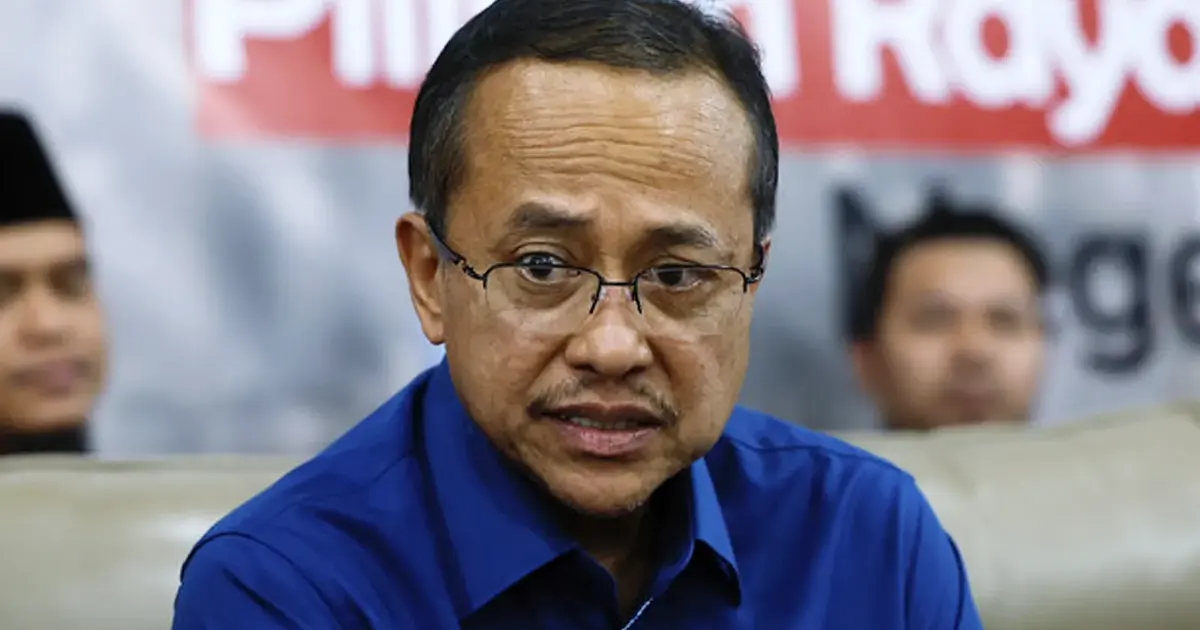
Concerns about potential voter confusion arising from multiple parties using the same coalition logo have been allayed by the chairman of Perikatan Nasional, who stressed that electoral arrangements have been clearly delineated to prevent overlap. The reassurance comes as both PAS and Bersatu prepare to contest elections under the PN banner, raising questions about how voters might distinguish between the two entities on ballot papers.
The decision to allow both parties to utilise the PN logo reflects the internal structure of the coalition, where multiple components operate under a unified banner while maintaining separate party identities. This arrangement is not unprecedented in Malaysian politics, though it does require meticulous coordination to ensure that each party's campaign remains distinct and that voters understand which candidate represents their preferred faction within the broader alliance.
The coalition chairman's assurance centred on the fundamental principle that PAS and Bersatu have been assigned to contest in different constituencies, effectively eliminating the possibility of direct competition between the two parties using identical symbols in the same polling areas. This geographical separation serves as the primary safeguard against the kind of administrative confusion that could undermine the electoral process or disadvantage voters seeking to support a specific party within the coalition framework.
For Malaysian voters, particularly those in constituencies where either PAS or Bersatu candidates are standing, this arrangement means that while the PN logo will appear on their ballots, only one party per seat will carry that symbol. The clarity depends heavily on proper candidate identification on ballot papers and voter education campaigns that explain the coalition structure to the electorate. Election commissions and party machinery will need to ensure that campaign materials adequately communicate which candidate represents which party, despite the shared visual identity.
The PN coalition itself comprises several political entities working toward common electoral objectives, and the use of a unified logo underscores their commitment to presenting a coordinated front to voters. However, this approach also reflects the reality that coalition partners maintain distinct organisational structures, memberships, and policy priorities even as they pursue shared goals. The territorial division prevents these differences from creating practical problems at the ballot box.
For the broader Southeast Asian context, Malaysia's approach to managing multi-party coalitions offers insights into how diverse political movements can operate collaboratively without sacrificing individual party identities. The region has seen numerous coalition experiments, and the degree to which partners can maintain separate brands while presenting unified campaigns remains a key challenge for political alliances throughout the area.
The electoral mechanics of shared logos and separated constituencies require sophisticated party organisation and transparent communication. Voters must be able to identify not only which coalition they are voting for but also which party within that coalition their ballot will support. The responsibility falls on both the parties and electoral administrators to provide clear information throughout the campaign period and on polling day itself.
From an administrative perspective, the Election Commission will need to ensure that ballot paper design and the candidate information provided to voters leaves no ambiguity about party affiliation. This becomes particularly important in constituencies with lower literacy levels or among elderly voters who may be less familiar with coalition structures and party reorganisations. Training poll workers to handle questions about party logos and candidate identification will also be crucial.
The chairman's confidence in the arrangement reflects an assessment that the PN coalition's internal coordination mechanisms are sufficiently robust to prevent confusion. Regular communication between PAS and Bersatu leadership, combined with careful campaign planning that emphasises each party's distinct message and local candidate focus, should theoretically allow both entities to benefit from coalition branding while pursuing separate electoral strategies.
Yet the assertion that confusion will not arise also depends on how Malaysian voters themselves respond to the shared logo arrangement. Voter surveys and feedback during early campaign phases will provide important indicators of whether the electoral approach is working as intended. If confusion does emerge in certain areas, the coalition partners may need to adjust their communication strategies or consider modifications to how the logo is deployed in specific contexts.
The decision to proceed with shared branding suggests confidence not only in the separation of constituencies but also in the sophistication of the Malaysian electorate. Contemporary voters are frequently exposed to complex political messages and alliance structures, and the argument goes that most voters can distinguish between different parties operating under a coalition framework, provided information is clearly presented.
Moving forward, the success of this arrangement will likely influence how other coalitions in Southeast Asia approach the challenge of unified branding with multiple partners. If PN's experience demonstrates that shared logos can work effectively when parties are geographically separated and voters are adequately informed, the model may gain wider adoption. Conversely, if problems emerge, other regional alliances may opt for more distinct visual differentiation among coalition components.
Ultimately, the assurance from the PN chairman that logo sharing poses no electoral threat rests on the assumption that voters will receive clear, consistent information about party assignments and that the administrative structures supporting the election will execute their responsibilities flawlessly. These remain assumptions that will be tested when voters go to the polls.

