Perikatan Nasional faces a critical test of internal cohesion as its leadership prepares to tackle a mounting dispute over coalition branding and electoral seat allocations at a Supreme Council meeting scheduled for Monday. The gathering will determine whether the opposition alliance can present a united front heading into crucial state elections in Johor and Negeri Sembilan, or whether simmering tensions between its constituent parties will further undermine its political strength.
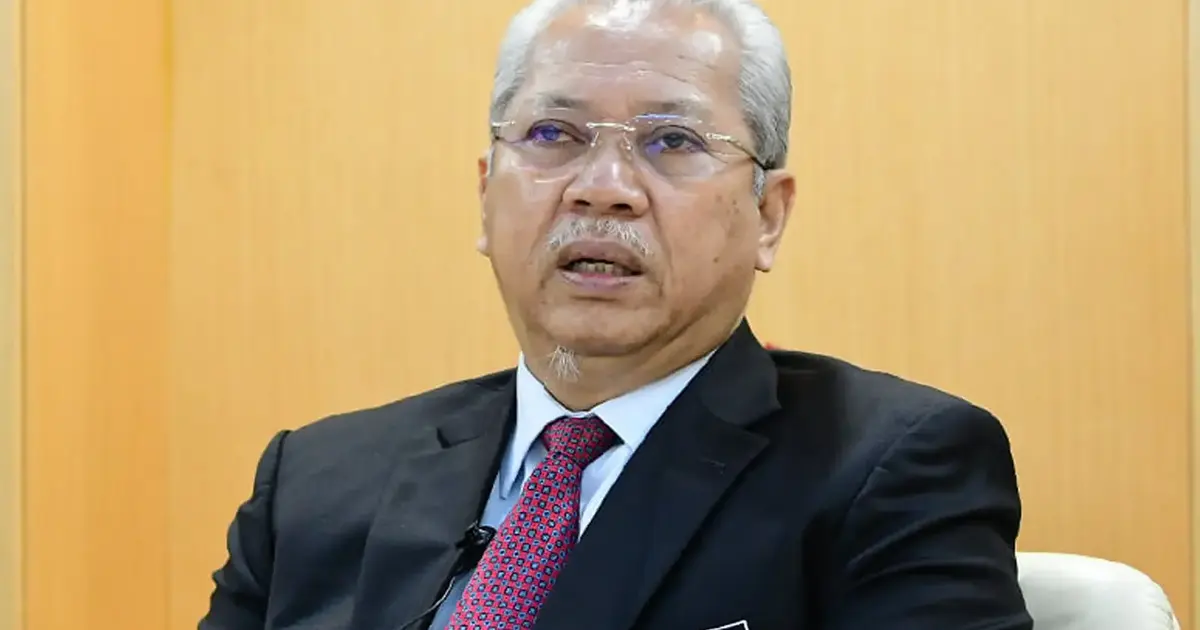
Annuar Musa, serving as PN's information chief, has signalled that the contentious question of whether Bersatu will remain within the coalition framework must be resolved through formal deliberation at the highest decision-making body. His statement underscores the gravity of the situation facing a coalition that has struggled to maintain unity since its formation, with repeated episodes of internal friction threatening to fracture its electoral appeal.
The logo dispute represents far more than a mere technical matter of visual branding. Control over the coalition's symbols carries substantial practical implications, particularly regarding voter recognition and campaign identity. Which party's imagery appears on ballots, campaign materials, and electoral signage can meaningfully influence electoral outcomes, especially in tightly contested contests where brand recognition matters significantly to voters unfamiliar with individual candidates.
Bersatu's status within PN remains contentious, reflecting broader questions about the coalition's structural stability. The party's potential departure or repositioning would represent a significant blow to PN's capacity to mount a credible electoral challenge, particularly given Bersatu's base of support in certain constituencies. Any loss of membership would immediately weaken PN's mathematical strength and reduce its competitive advantage across multiple electoral zones.
The allocation of electoral seats between PN's constituent parties for both Johor and Negeri Sembilan contests demands meticulous negotiation. Seat distribution often becomes a flashpoint in multi-party coalitions, as each member organisation seeks to maximise its own electoral opportunities while maintaining coalition cohesion. The Monday meeting will require party leaders to balance competing interests, potentially involving difficult compromises that may dissatisfy certain factions.
For Malaysian and Southeast Asian observers, PN's internal difficulties carry broader implications. The coalition emerged as a significant political force following the 2022 general election, positioning itself as an alternative to both the incumbent Pakatan Harapan government and the traditional UMNO-led Barisan Nasional framework. Yet its repeated struggles with internal management suggest structural weaknesses that could limit its long-term viability as a governing alternative.
Johor and Negeri Sembilan represent strategically important electoral battlegrounds. Johor, Malaysia's second-largest state by population, has historically served as a crucial bellwether in national politics. Negeri Sembilan, while smaller, carries symbolic and practical significance in the broader political landscape. PN's performance in these contests will substantially influence perceptions of its trajectory and viability as a national political force.
The Monday meeting's outcomes will reveal whether PN's leadership possesses sufficient authority and negotiating skill to navigate internal disputes constructively. Coalition politics demands constant management of competing interests, and successful coalitions develop mechanisms for resolving disagreements before they metastasise into existential threats. PN's track record suggests it has struggled with this fundamental requirement.
For voters and political observers across Malaysia and the region, the resolution or escalation of these disputes will indicate whether PN can mature beyond its current phase of coalition management difficulties. The stakes extend beyond Johor and Negeri Sembilan to encompass questions about whether alternative political coalitions can sustain themselves through the rigorous demands of electoral competition and shared governance.
The timing of this meeting reflects the urgency with which PN's leadership views these outstanding issues. Unresolved disputes immediately before major electoral contests create uncertainty that can depress voter confidence and damage campaign momentum. Conversely, decisive resolution of these matters could energise the coalition's supporters and demonstrate capable leadership during a critical political moment.
The Supreme Council meeting represents both a test and an opportunity for PN's leadership to demonstrate their capacity for managing coalition complexity. How effectively they navigate the simultaneous challenges of logo disputes, seat allocations, and party membership questions will substantially shape both the immediate electoral prospects for Johor and Negeri Sembilan as well as the longer-term viability of PN as a coherent political force in Malaysian politics.

