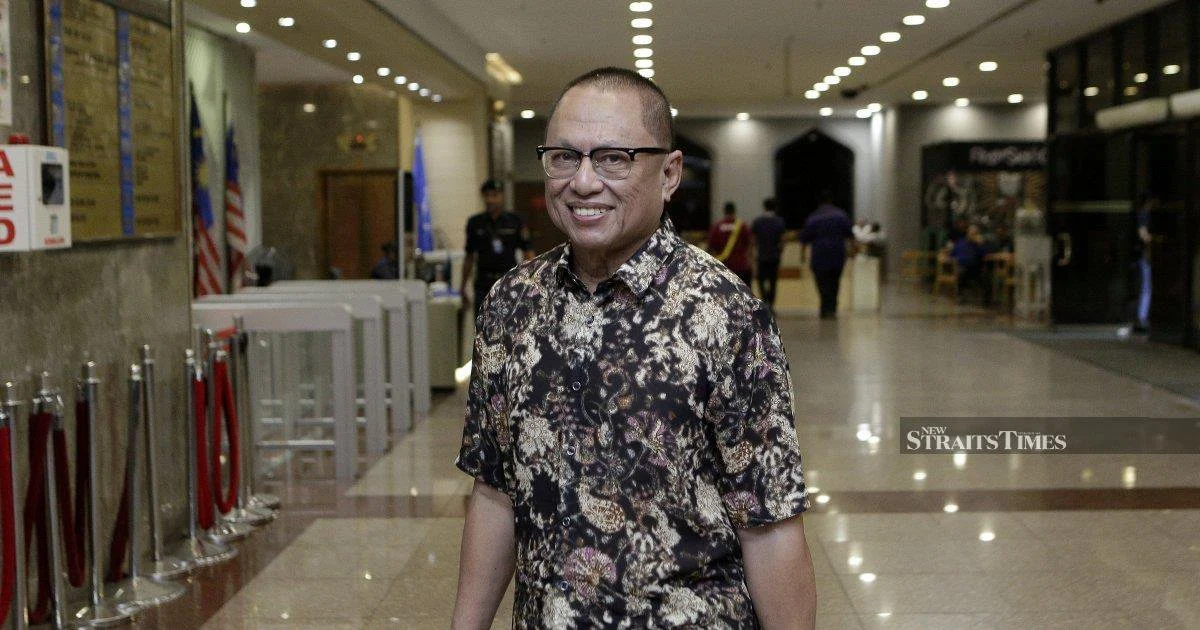
Authorities in Johor Baru have commenced a formal inquiry into purported remarks attributed to former Umno veteran Datuk Dr Mohd Puad Zarkashi posted across social media channels, prompted by a significant surge in public complaints filed nationwide. The initial filing of 153 police reports in one day underscores the considerable attention and concern generated by the statements in question, drawing responses from citizens across multiple states and federal territories.
The comments attributed to Puad Zarkashi, which appear to centre on the so-called 3R initiative, have triggered substantial public discourse and institutional scrutiny. The 3R framework—referring to Rukun, Rakyat, and Reformasi (or variations thereof)—represents a policy or initiative that has generated sufficient public interest to warrant police attention when its discussion provokes widespread complaint. The timing and volume of reports suggest the remarks touched upon sensitive national or communal concerns that resonate broadly across the Malaysian electorate.
Former Umno personalities occupy a particular position within Malaysia's political landscape, wielding considerable influence among party supporters and broader conservative constituencies. Puad Zarkashi, in particular, has historically been an influential voice within United Malays National Organisation circles, and his public statements carry weight among party faithful and observers of intra-party dynamics. Any controversial pronouncements from such figures inevitably attract heightened scrutiny, both from political rivals and from members of the public who follow developments within the party.
The decision to launch a formal investigation demonstrates how seriously authorities are treating the matter. Police investigations into social media statements typically examine whether content violates relevant legislation, which may include provisions relating to sedition, race or religion sensitivities, or provisions under the Communications and Multimedia Act. The threshold for initiating such probes suggests that complaints included allegations of potentially serious infractions rather than mere political disagreement.
The rapid accumulation of 153 reports within a single day indicates coordinated response or, alternatively, that the remarks struck a genuine chord of concern among disparate segments of society. In Malaysia's context, where social media has become a primary vehicle for political commentary and public discourse, the speed with which information spreads and generates response has fundamentally altered how political figures and their statements reach public consciousness. A single controversial post can cascade through WhatsApp groups, Facebook networks, and Twitter threads within hours, mobilising significant portions of the population to take formal action.
For Umno, already navigating complex internal struggles and positioning within the broader political coalition that includes Perikatan Nasional and Barisan Nasional components, the controversy surrounding one of its prominent figures introduces additional pressure. The party has sought to rebuild its standing following electoral setbacks and internal fracturing, and statements by senior party members that provoke police investigations represent unwelcome complications. The party's leadership will likely face questions regarding whether the remarks reflect internal party sentiment or represent an outlier position that party officials publicly distance themselves from.
The investigation's progression will warrant close observation from political commentators and civil society organisations. Depending on investigative findings and any subsequent charges, the case could establish important precedent regarding how authorities treat political speech on social media, particularly when issued by established public figures. The balance between protecting legitimate free expression and maintaining public order remains contested terrain in Malaysian jurisprudence, with each high-profile case adding layers to this ongoing debate.
Regional observers may also scrutinise the investigation's handling, particularly regarding concerns about selective enforcement or political bias in investigations targeting figures from specific parties. Malaysia's track record of police investigations into political speech has occasionally drawn criticism from human rights organisations and international observers, who have questioned whether such probes reflect genuine public safety concerns or constitute mechanisms for silencing political opposition and dissent.
The broader context of Malaysia's current political configuration adds dimension to this incident. With the government comprising multiple parties with sometimes competing interests, statements by prominent figures from coalition components can reverberate throughout the political ecosystem. Puad Zarkashi's remarks, whatever their specific content, appear to have generated sufficient concern within some segment of the population to motivate formal complaints, suggesting they touched upon topics that command genuine public attention and emotional investment.
Moving forward, the investigation's outcome will likely influence how other senior political figures approach social media commentary, potentially chilling some forms of expression while legitimising others depending on how authorities ultimately characterise and treat the statements. The case illustrates how Malaysia's political discourse increasingly intersects with law enforcement processes, with social media amplifying both political messaging and institutional responses to potentially controversial speech. As this investigation unfolds, it will provide insights into contemporary patterns of political communication and the mechanisms through which Malaysian authorities assess and respond to statements that generate significant public complaint.

