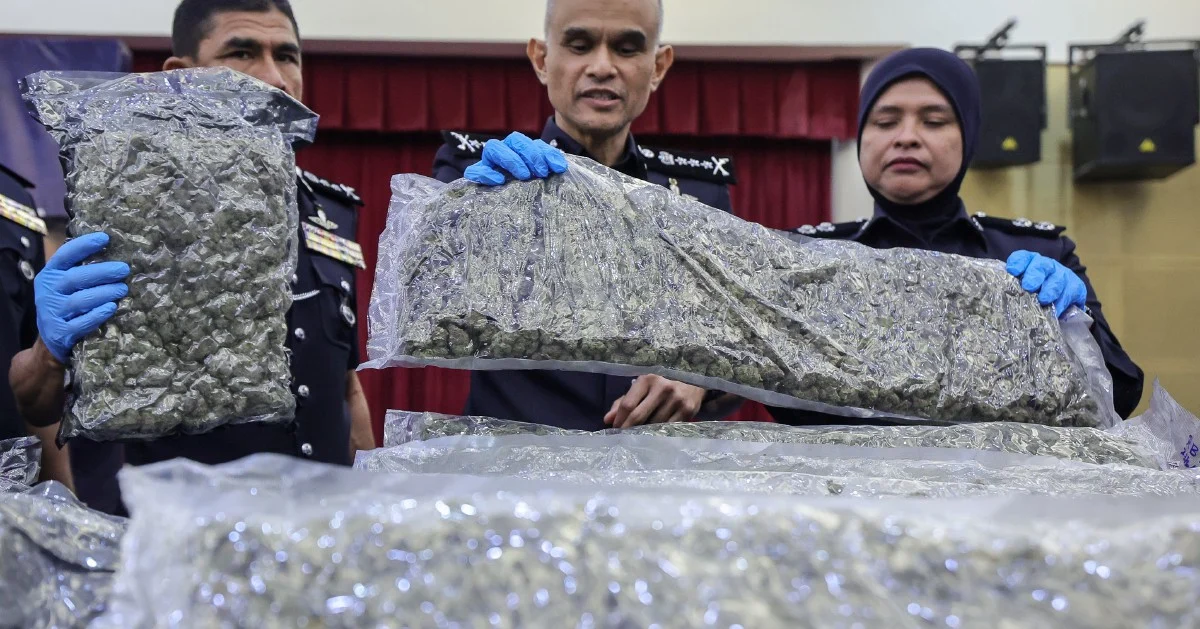
The Royal Malaysia Police have dismantled a significant drug smuggling operation centred on Malaysia's primary international gateway, with enforcement actions since the start of this year yielding one of the more substantial cannabis seizures in recent airport security operations. The confiscation of 650 kilograms of cannabis buds at Kuala Lumpur International Airport represents a coordinated crackdown on trafficking networks attempting to exploit the country's aviation hub for distribution purposes. The scale of the intervention underscores the persistent challenge posed by organised drug operations targeting Southeast Asia's crucial transport infrastructure.
Investigative efforts have resulted in the apprehension of 38 individuals implicated in the trafficking scheme, a figure that reflects the distributed nature of contemporary drug networks spanning multiple jurisdictions and nationalities. The arrest roster encompasses both Malaysian nationals and foreign suspects, indicating the international dimensions of the criminal enterprise. This demographic composition aligns with broader patterns observed across the region, where trafficking syndicates increasingly recruit operatives from diverse backgrounds to facilitate smuggling activities and circumvent law enforcement detection.
The KLIA seizure carries particular significance given Malaysia's geographic positioning along major illicit drug transit routes connecting production zones in Southeast and South Asia with consumer markets across East Asia and the Pacific. International airports function as critical nodes within these networks, where smugglers attempt to exploit passenger volumes, cargo handling procedures, and cross-border movement protocols. The concentration of interdiction efforts at KLIA reflects police resource allocation prioritising detection at points of maximum vulnerability within Malaysia's border security apparatus.
Cannabis trafficking through airport facilities typically involves concealment within checked baggage, parcel shipments, or passenger carry-on items, with perpetrators relying on timing, misdirection, and corrupt facilitators to advance contraband past screening checkpoints. The successful identification and seizure of 650 kilograms indicates either enhanced detection capabilities, intelligence-driven interventions, or informant cooperation within the criminal supply chain itself. Such large-volume interceptions rarely result from random screening alone, suggesting systematic investigation methodology.
The involvement of foreign nationals within the arrested cohort raises considerations regarding transnational criminal collaboration and the mobility of trafficking personnel across Southeast Asian borders. Neighbouring countries within the Association of Southeast Asian Nations frequently report similar patterns involving multinational actor involvement in narcotics distribution. Intelligence sharing mechanisms and bilateral law enforcement cooperation become increasingly pertinent when addressing trafficking operations that transcend national jurisdictions and implicate multiple governments' security interests.
Malaysia maintains stringent drug laws under the Dangerous Drugs Act, with cannabis classification as a Schedule I controlled substance carrying severe penalties including lengthy imprisonment and potential capital punishment for trafficking offences exceeding specified quantity thresholds. The legal framework establishes deterrent effect through mandatory minimum sentences and asset forfeiture provisions targeting financial proceeds of trafficking enterprises. Enforcement consistency and judicial application remain instrumental in sustaining the deterrent function of these statutes.
The timing of this operation aligns with broader police initiatives to intensify narcotics interdiction capacity during recent months, reflecting institutional prioritisation of drug-related crime disruption. Resource deployment toward aviation security checkpoints and cargo handling facilities demonstrates strategic focus on high-volume trafficking pathways. The coordination required to process 38 arrests simultaneously while managing evidence from a 650-kilogram seizure indicates mobilisation of substantial investigative and operational resources across multiple police departments.
Regional drug enforcement networks have documented increasing sophistication among trafficking organisations attempting airport penetration, including recruitment of staff with legitimate facility access, employment of encrypted communications infrastructure, and development of contingency protocols accommodating interdiction scenarios. The scale of the KLIA operation suggests investigators successfully identified components of a larger distribution apparatus rather than isolated trafficking incidents. Continued investigation likely will reveal additional criminal relationships and supply chain vulnerabilities.
For Malaysian readers and regional observers, the KLIA seizure underscores persistent vulnerability of international transit infrastructure to drug smuggling exploitation despite security infrastructure investments. The involvement of foreign nationals indicates the country's positioning within transnational trafficking architectures, a reality requiring sustained vigilance and evolving countermeasures. Successful disruptions of this magnitude demonstrate institutional capability to intercept major shipments, yet the ongoing prosecution pipeline and regulatory challenges suggest systemic vulnerabilities remain addressable through coordinated national and international enforcement strategies.
The investigation's trajectory will influence understanding of supply chain relationships, geographic sourcing patterns, and downstream distribution networks extending throughout Malaysia and potentially neighbouring jurisdictions. Intelligence derived from the 38 arrests may yield information regarding production facilities, financial infrastructure, and consumer market dynamics within the regional cannabis economy. Such operational intelligence functions as both immediate law enforcement asset and strategic input informing longer-term narcotics policy formulation.

