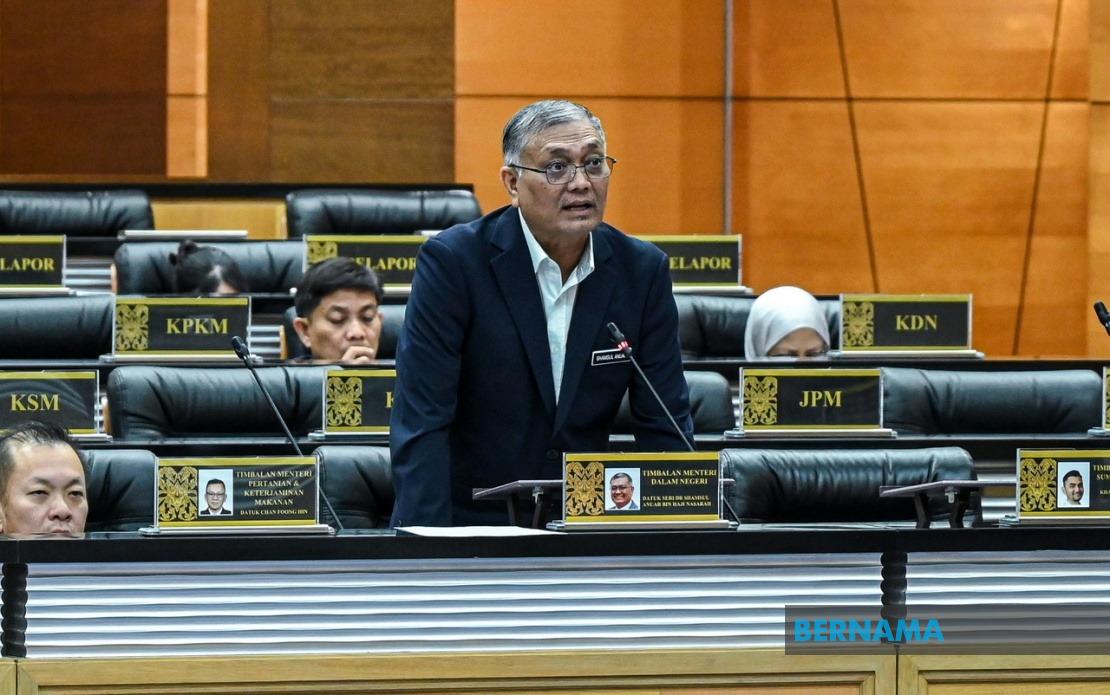
The Royal Malaysian Police maintain a position of strict impartiality when handling investigations of public importance, according to a statement made by Deputy Home Minister Datuk Seri Dr Shamsul Anuar Nasarah during a parliamentary session in Kuala Lumpur on July 15. Speaking in the Dewan Rakyat Special Chamber, he stressed that the force does not afford preferential treatment to suspects based on their official status or party affiliation, sending a clear signal to lawmakers and the public regarding the police's commitment to equitable law enforcement.
The assurance came in response to parliamentary scrutiny from Datuk Wan Saifulruddin Wan Jan, representing Tasek Gelugor under Perikatan Nasional, who raised queries about progress in several cases capturing national attention. These included the investigation surrounding an explicit video recording that circulated widely in 2019 and became linked to a former high-ranking government official. The emergence of such questions reflects ongoing public concern about whether powerful individuals receive different treatment within Malaysia's justice system, a persistent anxiety that periodically resurfaces when cases involve well-connected figures.
Regarding the 2019 viral intimate video matter specifically, investigators continue working to locate the original recording as well as identify all digital devices and technical equipment involved in its creation and dissemination. The case involves multiple legal provisions addressing the gravity of the alleged offences. Police are investigating under Section 292 and Section 377B of the Penal Code—which address obscene materials and consensual acts respectively—alongside Section 504 dealing with intentional insults, and Section 233 of the Communications and Multimedia Act 1998 concerning offensive content transmitted via electronic networks. This multi-layered legal approach demonstrates the complexity surrounding digital crimes that breach privacy while potentially violating moral and communications standards.
The deputy minister's statement carries particular weight given Malaysia's history of high-profile cases where the identity and influence of suspects have raised questions about investigative focus and prosecutorial priorities. By publicly reiterating that rank and prior position offer no protection, Shamsul Anuar attempted to address what many Malaysians perceive as selective justice. Such assurances become necessary when public confidence in institutional impartiality wavers, particularly when investigations touch prominent political figures or their relatives. The timing and context of parliamentary questions suggest continuing skepticism about whether the police can truly investigate the powerful without external pressure or bias.
Separately, the deputy minister addressed another sensitive matter involving the son-in-law of former Prime Minister Tan Sri Muhyiddin Yassin. In this case, the Malaysian Anti-Corruption Commission has assumed investigative authority and issued an arrest warrant against the individual. Shamsul Anuar declined to elaborate further, citing the jurisdiction of the MACC and the ongoing nature of proceedings. This case illustrates how different agencies operate within distinct investigative domains, with the MACC handling matters within its corruption mandate rather than general police purview. The warrant's issuance indicates that sufficient evidence exists to justify arrest, though the public remains largely uninformed about specific allegations or their nature.
The involvement of a former prime minister's family member in MACC investigations exemplifies why assurances of institutional independence matter in Malaysian politics. When relatives of former leaders face scrutiny, the appearance of political vendetta versus genuine accountability becomes difficult to parse. Citizens question whether investigations reflect legitimate concerns about misconduct or constitute weaponization of enforcement agencies following changes in government. These dynamics complicate efforts to rebuild public trust in institutions responsible for investigating alleged wrongdoing among the country's most powerful figures.
Beyond domestic cases, Shamsul Anuar provided details on Malaysia's international legal cooperation framework, particularly regarding extradition. The country currently maintains extradition treaties with 11 nations and has ratified the ASEAN Extradition Treaty, positioning itself within the regional framework for managing fugitives crossing borders. Such arrangements become increasingly relevant as white-collar crimes, corruption, and transnational offences force criminals to seek refuge across maritime boundaries. Malaysia's readiness to negotiate additional extradition agreements demonstrates willingness to strengthen law enforcement cooperation, though the pace and substance of such negotiations often reflect broader diplomatic relations.
The extradition landscape carries significance for Southeast Asia's collective capacity to address organized crime, financial fraud, and corruption that spill across borders. Malaysia's participation signals regional commitment to preventing the use of jurisdictional gaps as escape routes. However, the effectiveness of such arrangements depends on reciprocal commitment from partner nations and alignment on fundamental legal principles. Nations with different judicial standards or political systems sometimes prove reluctant to extradite suspects, creating complications for Malaysian authorities pursuing individuals who flee abroad.
Parliamentary oversight of high-profile investigations serves a democratic function, allowing elected representatives to press executive agencies for accountability and transparency. Questions raised by opposition and government-aligned lawmakers alike reflect public interest in how state power is exercised, particularly in cases involving security, privacy, and prominent individuals. The deputy minister's detailed responses—while necessarily constrained by ongoing investigations—provide some reassurance that parliamentary scrutiny remains functional. Yet the boundary between legitimate oversight and politically motivated harassment of investigations remains contested terrain in Malaysian governance.
Looking forward, the success of these investigations in achieving convictions or acquittals will substantially influence public perception of police impartiality. Cases involving powerful individuals or their associates typically receive intensive media coverage and attract international attention, intensifying pressure on investigators to demonstrate both competence and fairness. The outcomes will inevitably shape narratives about whether Malaysia's institutions can investigate the elite without bias or fear. Public confidence in such institutions ultimately rests not merely on officials' assurances but on documented results reflecting consistent application of law across all social strata.

