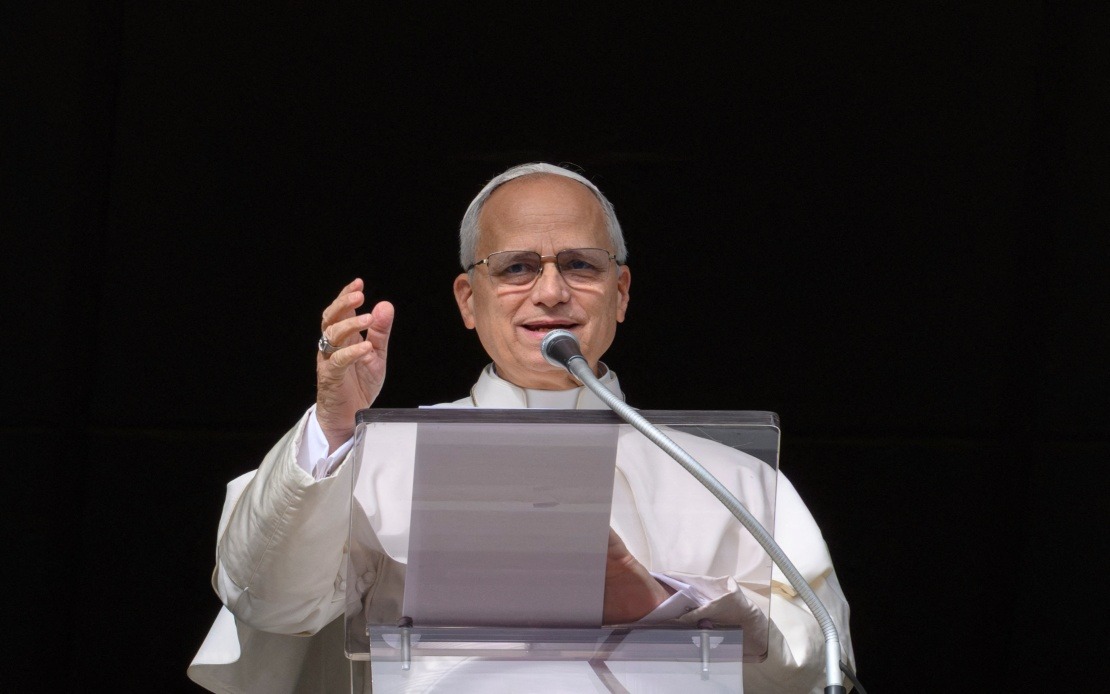
Pope Leo XIV has issued a significant theological and ethical statement on artificial intelligence, rejecting the notion that AI systems can operate free from moral considerations. Speaking through social media on Thursday, the pontiff articulated a foundational principle for the digital age: that technology which shapes human decision-making must be understood as inherently value-laden, carrying within it the priorities and worldviews of its creators.
The Pope's intervention arrives at a critical juncture in global AI development, particularly as governments and corporations across Southeast Asia rush to integrate artificial intelligence into sectors ranging from healthcare to governance. His assertion that every algorithmic system embeds design choices and specific classifications reflects a growing recognition among religious and philosophical leaders that technological neutrality is a myth. When engineers select which data to train models on, how to weight competing outcomes, and what constitutes success, they are making fundamentally ethical choices about what kind of world they are building.
In articulating this position, Leo XIV extends Catholic social teaching into the digital realm, drawing parallels with earlier papal pronouncements on technology's relationship to human dignity. The pontiff underscores that the ethical evaluation of AI cannot remain confined to questions about how these systems are deployed in specific contexts. Rather, a comprehensive moral analysis must penetrate deeper into the architecture itself—examining the foundational decisions made during design and development phases, long before any particular application is considered.
The emphasis on embedded values within data and algorithmic models carries particular resonance for Malaysia and the broader region, where rapid digitalization is occurring without always robust ethical frameworks. Malaysian organisations, from financial institutions to healthcare providers, increasingly rely on AI systems sourced from international vendors, yet rarely possess transparent understanding of the values and assumptions baked into these technologies. The Pope's intervention suggests a need for greater scrutiny at the point of adoption and implementation.
The pontiff further argues that safeguarding human dignity through AI requires that responsibility be distributed and clearly articulated across the entire lifecycle of these systems. This represents a departure from conventional tech industry thinking, which often concentrates accountability narrowly on end-users or operators. Instead, Leo XIV proposes that designers, developers, and deployers each carry distinct moral obligations. In practical terms, this means those who engineer machine learning models must answer for the implications of their design choices, not merely those who eventually press the button to activate a recommendation or decision.
A particularly important dimension of the Pope's statement concerns accountability mechanisms themselves. He identifies the need for clear identification of who must justify decisions made by or through AI systems, who monitors their actual performance against stated values, and critically, who possesses the authority to challenge outcomes and correct harms when they materialise. This framework addresses a genuine governance gap that exists across Southeast Asia, where many AI deployments operate with insufficient human oversight or recourse mechanisms for those adversely affected.
For Malaysian policymakers and business leaders, the papal intervention offers a valuable counterweight to techno-optimism that has characterised much AI discourse in the region. Where some stakeholders present artificial intelligence as a neutral tool awaiting wise application, the Pope's position demands recognition that the tool itself carries philosophical and ethical commitments. A hiring algorithm, for instance, does not merely efficiently sort candidates; it embeds assumptions about what qualities constitute merit, potentially perpetuating historical biases or privileging particular demographic characteristics in ways that may conflict with principles of equal opportunity.
The theological grounding of this argument carries weight beyond religious circles. By framing AI ethics within the broader Catholic concept of human dignity and the common good, Leo XIV invokes language that resonates across Malaysia's multi-faith context. The common good is not exclusively Christian vocabulary; it connects to Islamic concepts of maslaha, Hindu understandings of collective welfare, and secular human rights frameworks. This creates space for genuine interfaith and multicultural dialogue about AI governance.
The implications extend to corporate social responsibility conversations now occurring within Malaysia's tech sector and among multinational companies operating regionally. Companies cannot reasonably claim ignorance about the values embedded in their AI systems. The Pope's statement raises the bar for due diligence, suggesting that ethical technology development requires not merely compliance with regulations but active engagement with questions about what vision of humanity a particular system advances.
The call for clearly defined responsibility also addresses a practical challenge in Southeast Asia's regulatory environment. As countries including Malaysia develop AI governance frameworks, the question of accountability has proven thorny. The Pope's framework suggests that effective regulation must specify not only what AI systems must do, but who answers when they fail to respect human dignity or serve the common good. This includes mechanisms for affected individuals to challenge decisions and receive remediation.
Looking forward, the papal intervention may influence how Malaysia positions itself in global AI governance discussions. Rather than adopting a purely technocratic approach focused on innovation metrics and economic competitiveness, the nation has opportunity to champion a values-based framework that emphasises human dignity and social responsibility. Such positioning would distinguish Malaysia in the competitive global AI landscape while remaining true to ethical principles deeply rooted in its diverse cultural and religious traditions.
The Pope's warning ultimately reflects a maturation of ethical thinking about AI, moving beyond simplistic assumptions of technological inevitability toward recognition that societies actively choose the future they want to create through their technological investments and design decisions. For Malaysia, accepting this vision means committing to transparency, accountability, and genuine ethical deliberation as AI systems become increasingly central to economic and social life.

