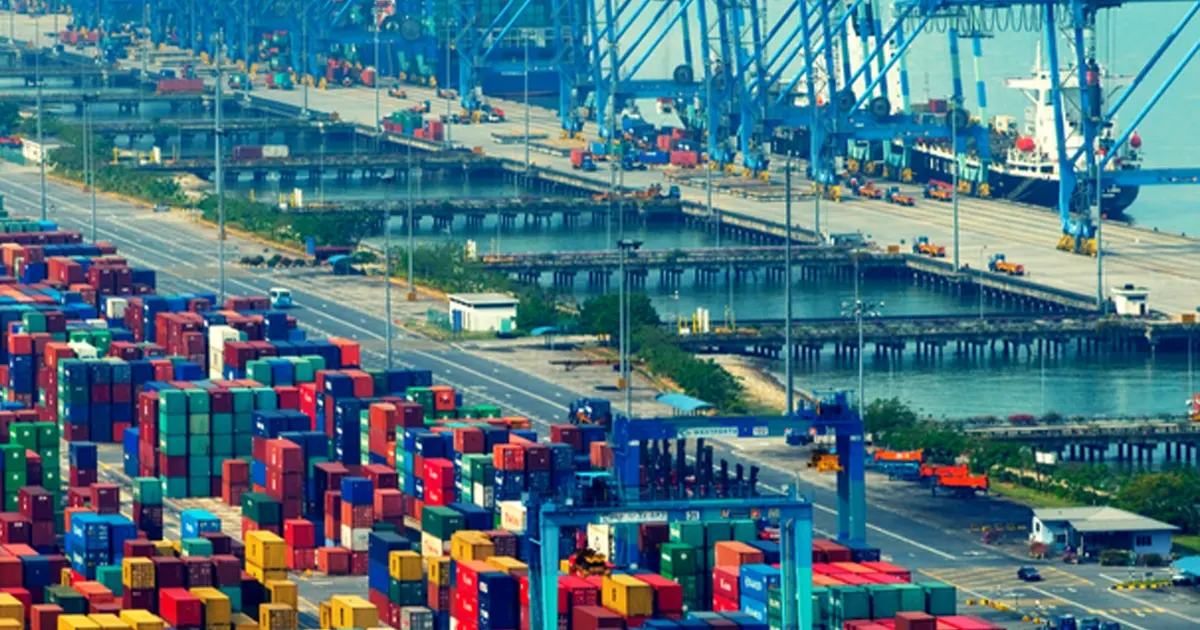
The Port Klang Free Zone is experiencing a notable resurgence in business activity, buoyed by steady operational improvements over the past 18 months, according to Transport Minister Loke Siew Fook. The free zone, which has long been a focal point for Malaysia's logistics and trade infrastructure, is demonstrating tangible signs of recovery through increased revenue generation and higher utilisation rates.
Recent figures show that the facility has generated RM108 million in revenue, reflecting the growing confidence among importers, exporters, and logistics operators in its operational capabilities. This achievement represents meaningful progress for a facility that has undergone extensive restructuring and repositioning efforts aimed at restoring its competitiveness within Southeast Asia's bustling port ecosystem. The revenue figure comes amid broader efforts to revitalise Malaysia's critical trade infrastructure as the nation seeks to maintain its relevance in regional commerce.
Operational capacity utilisation at the Port Klang Free Zone has climbed to 86 percent, a significant milestone that indicates tenant companies are increasingly willing to commit resources and storage commitments to the facility. This reactivation rate demonstrates that stakeholders have regained confidence in the zone's ability to deliver reliable, efficient services for their supply chain operations. The sustained improvement suggests that previous challenges and uncertainties that may have deterred users are being effectively addressed through management reforms and operational enhancements.
The Port Klang Free Zone occupies a strategically important position within Malaysia's economy, serving as a crucial nexus for regional trade flows. Located adjacent to Port Klang, Malaysia's busiest seaport, the free zone provides value-added logistics services including storage, re-export processing, and light manufacturing for goods in transit. Its recovery carries implications not merely for port operators but for Malaysian exporters and importers who depend on efficient customs-bonded facilities to maintain competitive supply chains.
Transport Minister Loke's emphasis on the facility's encouraging trajectory reflects the government's commitment to strengthening Malaysia's port infrastructure as competition from neighbouring regional hubs intensifies. Singapore's ports continue to set benchmarks for efficiency and capacity, while other Southeast Asian facilities are rapidly modernising. Malaysia's investment in revitalising the Port Klang Free Zone forms part of a broader strategy to ensure that domestic infrastructure remains attractive to international shippers and traders.
The reactivation progress over the past 18 months suggests that management changes and operational reforms have begun yielding tangible results. These improvements likely encompass streamlined customs clearance procedures, enhanced security protocols, and improved facilities management—all factors that influence operator satisfaction and long-term commitment. The capability to attract and retain tenants depends heavily on competitive service delivery and the ability to process transactions with speed and transparency.
For Malaysian manufacturers and traders, the Port Klang Free Zone's recovery translates into improved logistics options for managing inventory and optimising supply chains. Smaller and medium-sized enterprises particularly benefit from access to efficient bonded warehouse facilities, which allow them to defer customs duties and manage working capital more effectively. The facility's resurgence therefore has direct implications for business competitiveness beyond the port itself.
The RM108 million revenue generation indicates that operational volumes are sufficiently robust to generate meaningful returns. This financial sustainability is essential for ongoing investment in facility upgrades and service enhancements. As the zone's utilisation climbs toward maximum capacity, further revenue growth will depend on expanding the facility's total throughput capability or commanding premium pricing for specialised services.
The 86 percent reactivation rate also provides space for modest expansion before the facility operates at full stretch. This capacity buffer allows the zone to accommodate seasonal demand fluctuations and accommodate new tenants without immediately confronting operational constraints. However, sustained growth beyond this threshold will require capital investment in additional infrastructure or optimisation of existing facilities to handle greater volumes.
Regional context matters significantly for interpreting this progress. As Southeast Asian economies recover from pandemic disruptions and global supply chains stabilise, logistics hubs across the region are experiencing rising activity. The Port Klang Free Zone's rebound must be understood not merely as an isolated achievement but as part of broader regional port activity normalisation. Nonetheless, the facility's improved metrics suggest it is holding its own within this competitive landscape.
Looking forward, the Port Klang Free Zone's trajectory depends on maintaining operational excellence while adapting to evolving trade patterns. Shifts towards digital customs documentation, increased environmental compliance requirements, and changing international logistics preferences all present both challenges and opportunities. The facility's management team must continue demonstrating responsiveness to tenant needs while optimising operational efficiency.
The Transport Ministry's oversight of this recovery process indicates sustained government attention to port infrastructure development. This commitment provides confidence that systemic challenges will receive priority attention and that long-term strategic improvements remain on track. For Malaysia's trading community and logistics sector, the Port Klang Free Zone's improving performance offers a reassuring sign that critical national infrastructure is being effectively managed and continually enhanced to support economic competitiveness.

