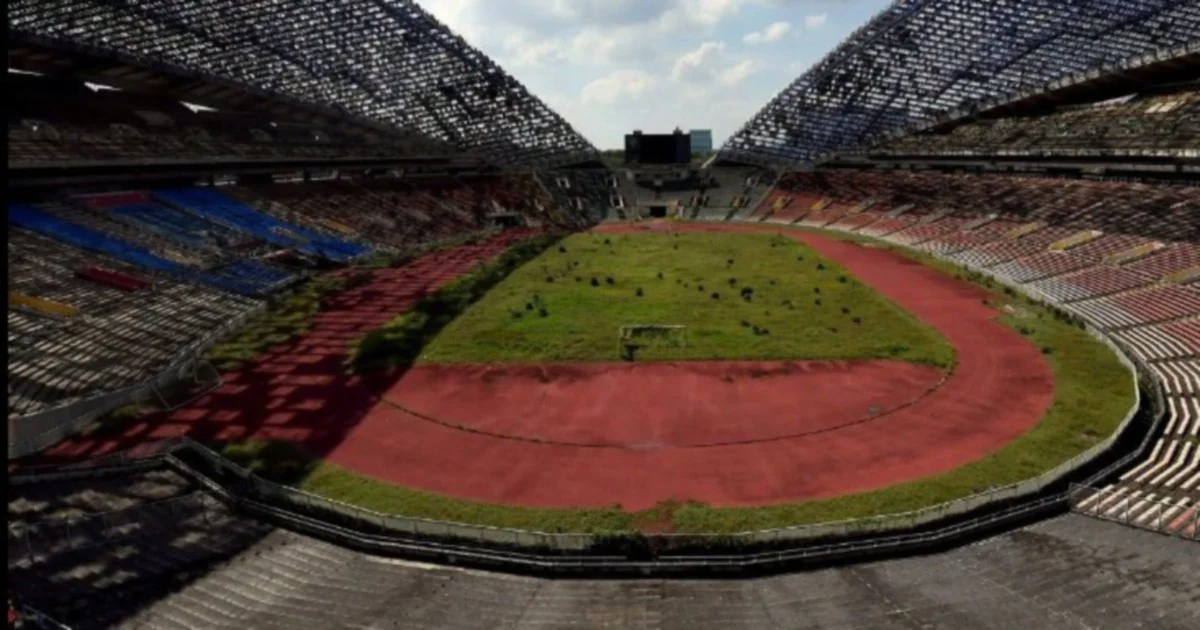
Malaysian Resources Corporation Bhd (MRCB) has achieved a significant legal victory at the Shah Alam High Court, securing a consent judgment against activist Abdul Razak Ismail. The order stems from online content that the property developer contends damaged its commercial interests in connection with the demolition and subsequent redevelopment of Shah Alam Stadium. The resolution marks another chapter in the increasingly contentious relationship between large-scale infrastructure projects and digital activism in Malaysia, where social media has become a primary battleground for challenging major developments.
The consent order, reached through mutual agreement between the parties, effectively restricts further publications on the matter by the activist. For MRCB, the judgment represents a legal mechanism to protect its business reputation and economic standing as it pursues the ambitious stadium redevelopment initiative. The developer has maintained that the activist's online statements created material harm to its financial interests and corporate standing, necessitating court intervention to halt further damaging publications.
Shah Alam Stadium has long been a focal point of public discourse in Selangor, with the venue serving multiple purposes for the state's sporting and cultural communities. The decision by MRCB to demolish and redevelop the facility generated substantial debate among residents, sports enthusiasts, and civic groups who questioned whether the original stadium's historical and cultural value warranted preservation or modification rather than complete reconstruction. These grassroots concerns found expression through various channels, including traditional media coverage and increasingly through social media activism.
Activist Abdul Razak Ismail became a prominent voice in articulating concerns about the stadium project, leveraging online platforms to mobilise public opinion and document what critics characterised as inadequate consultation with stakeholders. His digital publications appeared to have resonated with audiences concerned about the loss of public amenities and the pace of urban transformation in Selangor. However, MRCB's pursuit of legal remedies signals the developer's determination to limit the scope of public criticism through court action rather than engaging directly with the substantive concerns raised.
The consent judgment approach adopted by the court offers an interesting procedural dimension. Rather than proceeding to a contested trial with full findings of fact and liability determinations, both parties agreed to the order, which means the court's role focused on ratifying a settlement rather than adjudicating competing claims. This method has become increasingly common in defamation and economic harm cases, allowing defendants to avoid protracted litigation while permitting plaintiffs to establish a formal legal record of restrictions on future speech. For analysts monitoring press freedom and activist space in Malaysia, such consent orders raise important questions about the practical effect on expression, even when they technically represent negotiated agreements rather than judicial findings.
Malaysia's legal landscape governing online speech and corporate reputation remains in flux, with courts regularly navigating the intersection of commercial interests and digital expression. Developers and corporations have shown growing willingness to pursue litigation against critics, particularly when those critics operate through social media channels that amplify messages beyond traditional media gatekeeping. This pattern reflects broader global trends where large entities deploy legal mechanisms to manage reputational risk in the digital age. However, the prevalence of such cases also raises concerns about whether litigation becomes a tool for silencing legitimate public discourse about projects with significant community impact.
From a Malaysian perspective, the case illuminates the challenges facing civic activists and civil society actors operating in an environment where free expression exists alongside robust protections for commercial and corporate interests. While MRCB's concerns about economic harm from false or misleading statements have legal merit, observers note that such mechanisms can function as a deterrent against future activism even when speech might otherwise enjoy legal protection. The consent order means neither party is bound by comprehensive judicial findings, yet the practical effect may discourage similar critical commentary on comparable development projects.
The Shah Alam Stadium redevelopment itself represents the type of transformative urban project increasingly common in Malaysia as metropolitan areas expand and regenerate. These projects typically involve significant public land, substantial investment, and considerable community disruption, creating legitimate spaces for public debate about appropriateness, design, consultation, and community benefit. When developers respond to critical commentary through litigation rather than dialogue, they risk compounding public perception of dismissiveness toward stakeholder concerns, even as they exercise their legal rights to protect business interests.
For developers and investors across Southeast Asia, the MRCB case provides a practical example of how litigation can constrain activist speech, though with mixed strategic implications. While legal victories may silence individual critics, they often amplify underlying concerns, generate media attention, and potentially catalyse broader mobilisation. The Malaysian development sector continues navigating this tension between protecting commercial interests and maintaining social license to operate in communities increasingly connected through digital networks. As redevelopment projects continue reshaping Malaysian cities, the balance between developer prerogatives and stakeholder engagement remains a critical governance question.

