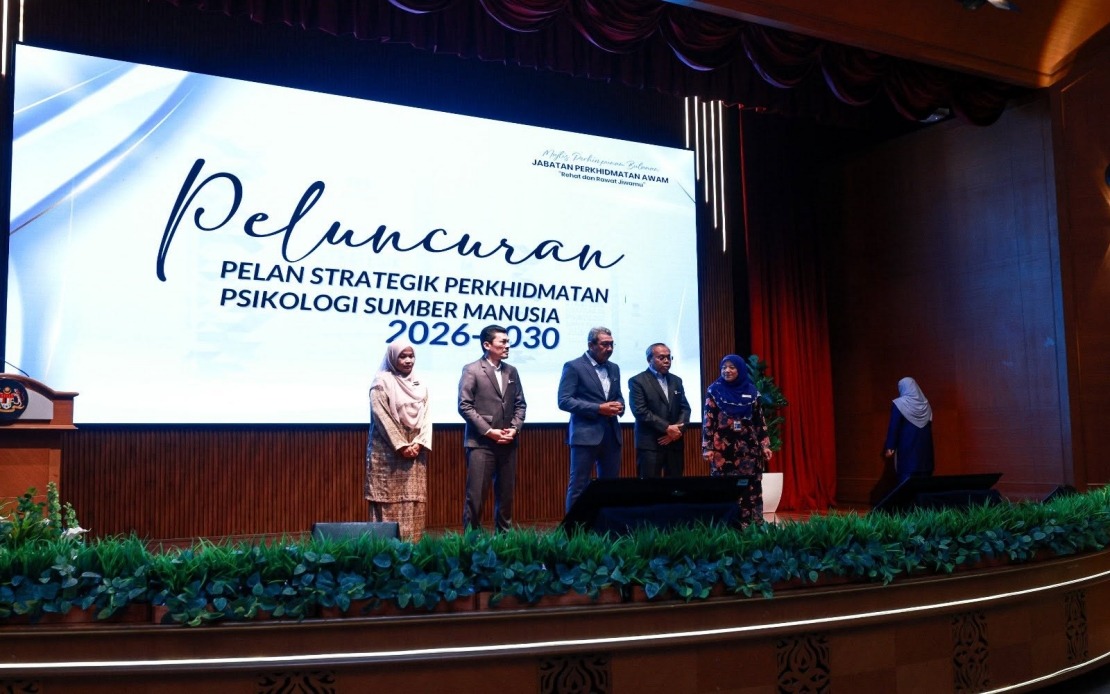
Malaysia's Public Service Department has launched an ambitious five-year strategic blueprint aimed at fundamentally reshaping how the nation's civil service approaches psychological wellbeing and mental health support. Unveiled at the department's monthly assembly in Putrajaya on June 19, the Human Resources Psychology Services Strategic Plan 2026-2030 represents a significant institutional commitment to prioritising the emotional and psychological health of the public sector workforce across the country. The comprehensive initiative, which carries the thematic focus of "R&R (Rest and Treat) Your Soul", was officially introduced by Public Service Director-General Tan Sri Wan Ahmad Dahlan Abdul Aziz, signalling strong leadership backing for what represents a cultural shift in how Malaysia's bureaucracy addresses mental wellness.
The strategic framework incorporates an extensive architecture of organisational change, structured around 12 core strategies designed to address psychological wellbeing from multiple angles. These strategies are supported by 22 distinct programmes that will be rolled out across various government departments and agencies, while 48 key performance indicators have been established to measure progress and effectiveness. This layered approach suggests the PSD recognises that sustainable change in mental health culture requires simultaneous action across policy, programme delivery, and accountability mechanisms. The breadth and specificity of the plan indicate serious resource allocation and coordination requirements across the civil service.
Central to the PSD's messaging is a deliberate effort to dismantle the persistent stigma surrounding mental health and psychological services within government ranks. Tan Sri Wan Ahmad Dahlan's emphasis on the concept of "Treat" underscores a philosophy that encourages civil servants to take proactive responsibility for their own wellbeing by seeking professional support without fear of judgment or career consequences. This represents a departure from traditional civil service culture, where discussing mental health concerns was often viewed as a sign of weakness or unsuitability for public office. By framing intervention and professional help-seeking as acts of courage rather than failure, the PSD is attempting to reframe the narrative around mental health in Malaysia's bureaucracy.
The "Rawat" concept, which translates to care or treatment in Malay, functions as the operational centrepiece of this strategic approach. Rather than positioning mental health support as reactive crisis management, the PSD is advocating for proactive intervention mechanisms that allow civil servants to address psychological challenges before they escalate into serious problems. This preventive orientation aligns with contemporary international best practices in occupational health psychology, where early intervention and normalisation of mental health discussions have proven more cost-effective and humane than crisis-focused approaches. For Malaysian civil servants, many of whom work in high-stress roles managing public expectations and navigating bureaucratic complexity, such preventive measures could significantly improve both individual quality of life and organisational productivity.
Integrating this mental health strategy with the PSD's existing H.E.M.A.T work culture framework demonstrates institutional recognition that psychological wellbeing cannot be addressed in isolation from broader workplace dynamics. The H.E.M.A.T acronym encompasses governance shift, public empathy, progressive mindset, innovation appreciation, and transparent administration—all elements that directly influence workplace stress, job satisfaction, and psychological safety. By linking mental health initiatives to these broader cultural values, the PSD is acknowledging that sustainable improvements in civil servant wellbeing require systemic changes in how government organisations operate, communicate, and value their workforce. This integrated approach suggests the department understands that supporting mental health means addressing the institutional factors that contribute to psychological strain.
The timing of this strategic plan carries particular significance for Malaysia's public sector. The civil service has faced increasing demands in recent years, from digital transformation initiatives to expanded public service delivery expectations and heightened public scrutiny through social media. These pressures, combined with recruitment challenges and resources constraints affecting many government agencies, have created a workplace environment where mental health concerns are likely acute. By launching this comprehensive strategy now, the PSD is demonstrating responsiveness to contemporary workplace realities and positioning Malaysia ahead of many regional governments in formally acknowledging the mental health dimensions of civil service work.
The establishment of 48 distinct key performance indicators reflects the PSD's commitment to measuring not just programme implementation but actual outcomes related to psychological wellbeing. These metrics will likely track participation rates in mental health awareness initiatives, utilisation of counselling and support services, employee satisfaction surveys measuring stress and wellbeing, and potentially health-related absences and productivity measures. Meaningful KPIs are essential for ensuring accountability and allowing the PSD to adjust strategies based on evidence about what actually improves civil servant mental health. They also create institutional memory and documentation that helps sustain the initiative beyond any particular leadership administration.
Implementation challenges will inevitably emerge as this strategy rolls out across Malaysia's diverse civil service landscape. Different government agencies face varying workplace pressures, demographic compositions, and cultural norms around mental health discussion. Rural postings, frontline service roles, and headquarters-based positions present distinct psychological pressures requiring tailored support approaches. Budget availability will also critically determine whether the 22 programmes can reach all civil servants equitably, particularly those in remote locations. Building capacity among managers to recognise psychological distress in their teams and respond appropriately will require substantial training investment.
For Malaysian civil servants themselves, this strategic plan signals institutional recognition that their psychological wellbeing matters to government leadership. The explicit permission to seek professional support, rest when tired, and prioritise personal mental health represents a marked departure from traditional public sector culture emphasising duty above personal welfare. As the strategy is implemented through 2026-2030, success will depend partly on whether civil servants perceive genuine cultural change or view it as symbolic gesturing. Real change manifests when managers actively encourage wellbeing conversations, when seeking counselling carries no stigma, and when organisational decisions genuinely prioritise employee mental health alongside efficiency and performance metrics.
The implications extend beyond individual civil servants to Malaysia's broader governance effectiveness. Public servants experiencing significant psychological distress are less productive, less creative in problem-solving, and more likely to leave government service—outcomes that weaken institutional capacity precisely when the nation faces complex challenges requiring sustained bureaucratic excellence. By investing in psychological wellbeing infrastructure, the PSD is simultaneously investing in better governance outcomes. International evidence demonstrates that organisations prioritising employee mental health achieve better retention, higher productivity, and stronger service delivery.
Regionally, Malaysia's launch of this comprehensive strategic plan places it among Southeast Asian governments taking mental health in the civil service seriously alongside traditional performance management. Thailand, Singapore, and Indonesia have undertaken various initiatives, but Malaysia's framework appears notably comprehensive in scope. As regional governments increasingly recognise that sustainable public sector performance depends on workforce wellbeing, initiatives like the PSD's plan may become models for peer learning and capacity building across Southeast Asia.
The success of the Human Resources Psychology Services Strategic Plan 2026-2030 will ultimately depend on consistent leadership commitment, adequate resource allocation, and willingness to genuinely embed mental health considerations into civil service culture and decision-making. The comprehensive architecture of 12 strategies, 22 programmes and 48 KPIs suggests serious institutional commitment, but sustained implementation across Malaysia's complex, geographically dispersed civil service will test whether ambition translates into meaningful improvement in the psychological wellbeing of the more than one million civil servants serving the nation.

