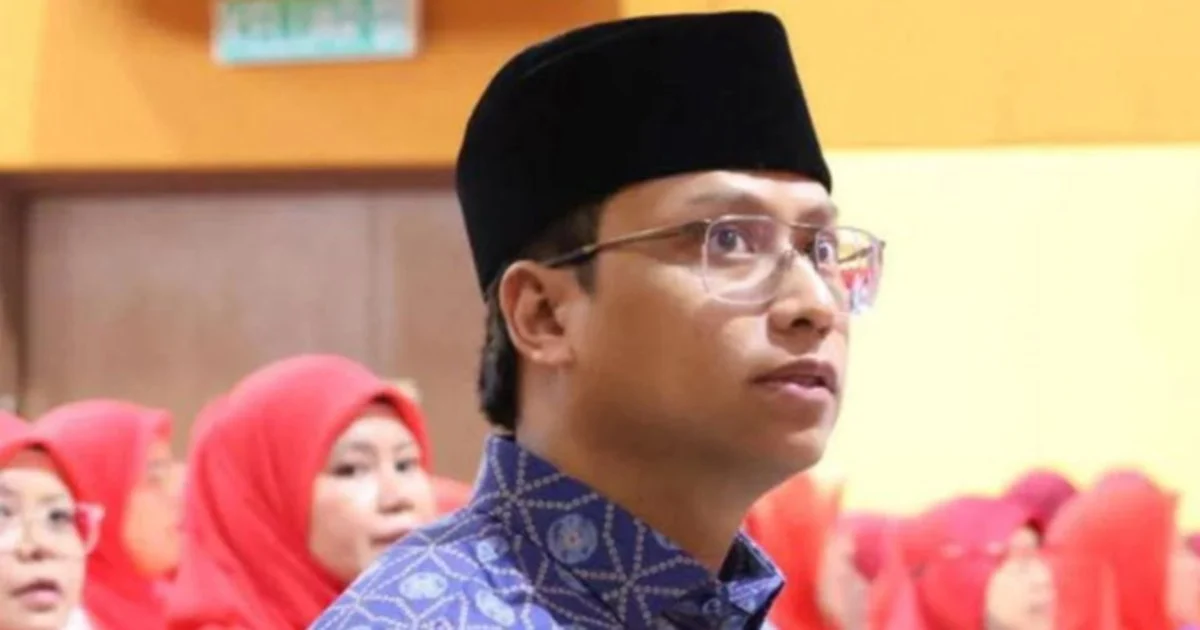
The family of Datuk Dr Mohd Puad Zarkashi has stepped into public discourse over the former Umno Supreme Council member's recent comments on the party's strategic direction, with his son offering a spirited defence of the seasoned politician's controversial statements. The younger Puad argues that his father's remarks, which have drawn scrutiny within party circles, were fundamentally rooted in a desire to safeguard Umno's institutional future rather than to undermine party leadership or ideology.
Umno has long occupied a central position in Malaysian politics, and recent years have witnessed significant internal discussions about the party's evolving role within the fractious coalition structure. The intervention by Datuk Dr Mohd Puad Zarkashi into these deliberations reflects the deep-seated tensions within the party establishment over strategy, principles, and electoral positioning. As a figure who has held senior responsibilities within the party's decision-making apparatus, his perspective carries considerable weight among party faithful, even if his comments have proven divisive among competing factions.
The son's decision to publicly defend his father's position underscores the personal stakes involved in these broader party debates. Within Umno's hierarchical structure, statements from senior members can trigger ripples through the party machinery, affecting everything from internal party morale to external perceptions of unity and coherence. By stepping forward to articulate a defence, the younger Puad is effectively signalling that the family views the father's intervention not as reckless troublemaking but as a considered contribution to vital conversations about Umno's future.
Historically, Umno has navigated numerous periods of internal disagreement by appealing to the party's foundational mission and long-term interests. Senior party figures have traditionally sought to distinguish between critiques aimed at destructive factional advantage and those intended to strengthen institutional resilience. The son's framing of his father's remarks within this narrative—as aimed at preserving rather than damaging—reflects a familiar rhetorical strategy within the party's discourse ecosystem.
The invocation of historical judgment is particularly noteworthy in this context. By suggesting that time will ultimately vindicate or critique Umno's current stance, the defence introduces a longer temporal perspective into immediate party disputes. This rhetorical move is common among Malaysian political figures seeking to transcend the heat of present controversies by appealing to posterity's assessment. For Umno, which has positioned itself as the custodian of Malay-Muslim interests and Malaysian stability across seven decades, questions about historical legacy resonate with particular force.
Umno's contemporary challenges extend beyond internal personality clashes. The party faces significant questions about its relevance to younger voters, its relationship with other coalition partners, and its ability to offer compelling platforms on contemporary issues from economic management to institutional reform. Against this backdrop, interventions by figures like Datuk Dr Mohd Puad Zarkashi can be interpreted either as healthy internal debate or as unhelpful public disagreement, depending on one's perspective and factional alignment.
For Malaysian observers and regional analysts tracking Umno's trajectory, these internal exchanges provide valuable windows into the party's decision-making culture and the relative weight given to different constituencies of opinion. The willingness of senior members to make public pronouncements, and the subsequent family-level defences, suggest that Umno retains space for robust internal dialogue even as it faces external competitive pressures from other political formations.
The stakes of these discussions extend beyond Umno itself. As the longest-serving governing party in Malaysian history and a dominant force within the Barisan Nasional coalition, Umno's strategic choices and internal health have downstream effects on Malaysian governance, coalition stability, and the country's broader political trajectory. Statements by senior figures about party direction therefore deserve serious analytical attention beyond the surface-level drama of personality conflicts.
The son's public intervention also reflects evolving communication strategies within Malaysian political families. Rather than allowing controversy to develop entirely within internal party channels, there is increasing willingness to engage directly with public audiences and media to shape narratives about prominent figures and their motivations. This approach can generate clarity but also carries risks of further politicising family relationships or dragging personal matters into partisan disputes.
Looking ahead, the resolution of these internal discussions will likely depend on how Umno's senior leadership navigates the competing demands of maintaining unity, preserving institutional authority, and accommodating diverse viewpoints within the party. The contribution from Datuk Dr Mohd Puad Zarkashi and the subsequent defence by his son should be understood within this broader context of an established party adapting to changed political circumstances while attempting to preserve its foundational role in Malaysian politics.

