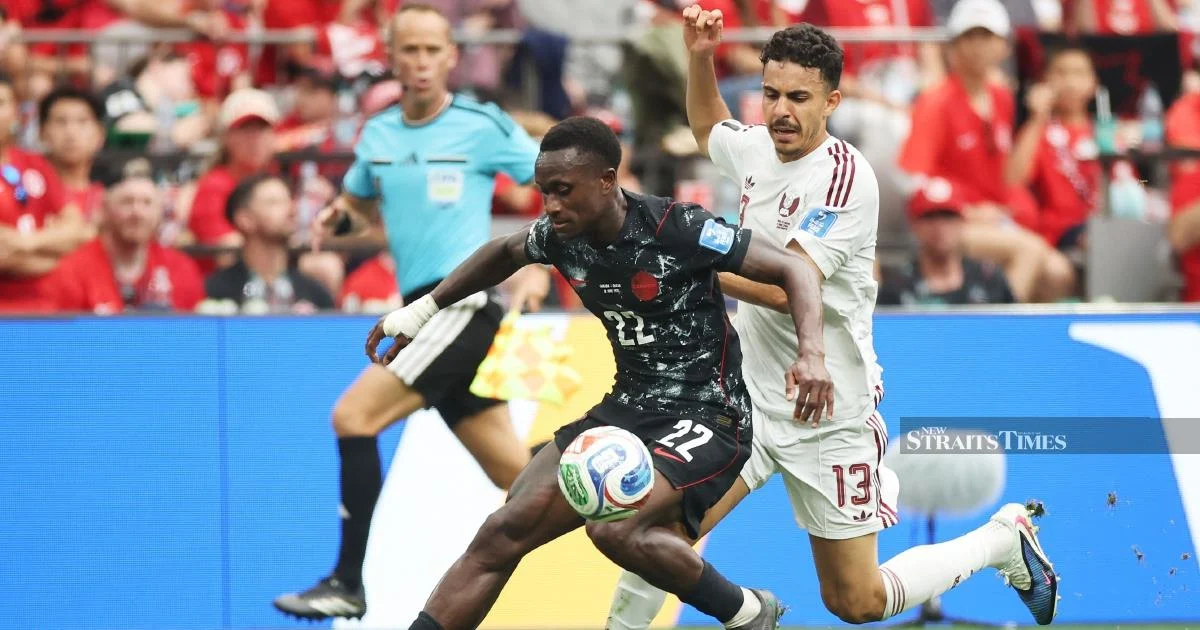
Qatar's catastrophic 6-0 defeat to Canada at the FIFA World Cup has become a cautionary tale for wealthy nations attempting to purchase their way into global football prominence. The emphatic loss, among the most damaging in the tournament's recent history, has prompted serious reflection from sports observers who argue that financial resources, no matter how substantial, cannot substitute for the foundational structures required to develop sustained competitive excellence in the sport.
The small Gulf nation invested tens of billions of dollars in preparation for hosting the tournament, constructing state-of-the-art stadiums, training facilities, and infrastructure that set new standards for World Cup presentations. Yet despite this unprecedented financial commitment, the national team's performance on the pitch told a starkly different story. The gulf between spending power and actual capability became inescapably evident as Canada dismantled a side that appeared fundamentally unprepared for the demands of top-tier international football.
Football experts examining the debacle point to a systemic problem that extends far beyond a single match or tournament. Building a successful football nation requires years of investment in grassroots development, youth academy systems, coaching education, and player recruitment strategies that cannot be rushed regardless of available capital. Qatar's approach—importing foreign players and coaches while lacking a robust domestic player development pipeline—created a fragile structure vulnerable to tactical sophistication and physical intensity at the highest level. The Canadian team, by contrast, demonstrated cohesion and understanding developed through integrated preparation and strategic planning.
The implications resonate throughout football-developing nations in Asia and the Middle East. Countries contemplating similar financial investments in their football programmes must confront uncomfortable truths about what money can and cannot accomplish. Financial resources remain essential for upgrading facilities, securing elite coaching, and providing players with professional environments. However, without concurrent investment in talent identification systems, coaching development for domestic staff, and structured pathways from youth football through to senior level, expenditure becomes scattered and inefficient.
Qatar's situation differs markedly from other wealthy nations that successfully leveraged their resources. The distinction lies in timing and strategy. Nations that built strong domestic football cultures first, then augmented those foundations with wealth, achieved different outcomes than those attempting to construct success purely through external investment. The trajectory suggests that sustainable football development requires alignment between financial commitment and realistic timescales for institutional maturation.
The tournament exposed particular vulnerabilities in tactical flexibility and mental resilience when facing adversity. Once Canada established control and scored early goals, Qatar's structure deteriorated visibly. This pattern reflects teams assembled primarily through selection rather than teams forged through shared competitive experience. Players unfamiliar with one another's positioning tendencies and game-reading abilities struggle to reorganise tactically when circumstances shift against them. The absence of this familiarity became painfully evident as the match progressed and tactical adjustments proved ineffectual.
Regional observers note that Southeast Asian nations monitoring Qatar's experience may draw important conclusions about realistic football development timescales. Malaysia, Thailand, Vietnam, and other countries aspiring toward higher competitive levels cannot expect rapid transformation through investment alone. Instead, success requires patient construction of systems that identify talented youth, develop them through progressively demanding competitive environments, and prepare them mentally for encounters against established football powers.
The financial investment model also raises questions about player recruitment philosophy. Importing established international players can temporarily elevate team quality, yet it bypasses the critical development of home-grown talent and creates succession challenges once imported players retire. Sustainable competitive programmes develop homegrown players capable of maintaining standards across generational transitions. Qatar's reliance on foreign recruitment meant that no deep bench of domestic talent existed to maintain quality when primary players proved insufficient.
Coaching structures similarly require time to mature. Hiring world-renowned coaches provides technical expertise, but coaches require players capable of executing sophisticated systems. Mismatches between tactical demands and player capability produce precisely the kinds of collapses witnessed against Canada. Building football cultures where players possess both the skill and football intelligence to execute complex team systems represents a generational project that cannot be accelerated through spending.
The 6-0 defeat carries lessons extending beyond Qatar itself. It demonstrates that football success depends on integrated systems where financial resources, player development, coaching structures, youth football infrastructure, and tactical education align coherently. Money becomes effective only when deployed within these systems rather than substituted for them. For Asian nations aspiring toward World Cup competitiveness, Qatar's humbling experience underscores that sustainable achievement demands patient commitment to foundational development alongside financial investment.

