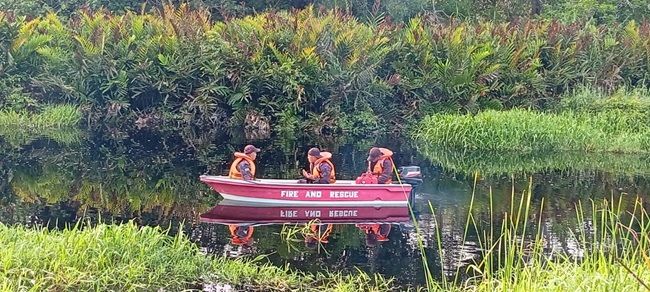
A coordinated search and rescue operation in Brunei has entered its third day with no sign of a man feared to have been attacked by a crocodile in Kampong Baru Sungai Bera. The multi-agency effort, drawing resources from the Fire and Rescue Department (FRD), Royal Brunei Police Force (RBPF), and the Wildlife Division, reflects the seriousness with which authorities are treating the incident and the dangers posed by wildlife in the region's river systems.
The alarm was first raised on Wednesday, June 24, when emergency services received a distress call reporting that a male victim had suffered what witnesses believed to be a crocodile attack while fishing in the river. A rapid response saw two fire engines and nine personnel, commanded by Acting Station Officer Mohd Zulkifli Md Tahir, mobilised to the scene in Kampong Baru. Initial conversations with the victim's family at the location confirmed the troubling circumstances—the man had ventured into the river to fish when the suspected attack occurred.
The scale of the operation underscores the complexity of searching along Brunei's river networks, where dense vegetation, strong currents, and difficult terrain complicate recovery efforts. Once on site, rescue teams established a Tactical Command Post to coordinate the widening search. The FRD has deployed its full arsenal of search capabilities, including dedicated river patrols using specialized boats that can navigate the waterway's challenging conditions. Teams have simultaneously combed the riverbanks on foot, examining the surrounding area for any sign of the missing fisherman or evidence of what transpired.
Technology has become central to the operation's strategy. The FRD's drone unit has conducted continuous aerial surveillance of the river and surrounding terrain, providing a bird's-eye perspective that ground teams cannot achieve. This aerial reconnaissance capability has proven invaluable in similar rescue operations across Southeast Asia, where geography and weather conditions often limit the effectiveness of traditional search methods. The drones allow operators to scan large areas rapidly and identify potential locations where a victim might be visible or where evidence might be located.
The investigation's leadership has been entrusted to Senior Superintendent Amirul Hadi Junaidi, the Commanding Officer of the Operations Branch, whose appointment signals the priority being given to the case. Beyond the FRD's direct involvement, the RBPF has committed considerable resources, including officers from Seria Police Station and specialist personnel from the Royal Brunei Police Force Marine Police (POLMAR), a unit trained specifically for water-based emergencies. The inclusion of the Wildlife Division adds expertise regarding crocodile behaviour and habitat patterns, knowledge that can help predict where the animal might be located if indeed a crocodile was responsible.
Crocodile encounters in Southeast Asian rivers, while not routine, are a recognized hazard that reflects the region's rich but sometimes dangerous wildlife ecosystems. Brunei's rivers support populations of saltwater crocodiles, which are territorial, powerful predators capable of inflicting fatal injuries. Locals and visitors who venture into such waters typically do so with an understanding of these risks, yet incidents still occur, often during fishing expeditions undertaken in isolated areas or during hours when visibility is reduced. The incident in Kampong Baru Sungai Bera adds to a broader pattern of wildlife-human conflicts across the region that authorities must continually manage.
For Malaysian observers, the Brunei operation offers insight into how a smaller nation's emergency services respond to complex rescue scenarios. The coordination between the FRD, police, and wildlife authorities demonstrates the institutional capacity that Brunei has developed, even as the country maintains a relatively modest population of around 450,000. The protocols and asset deployment visible in this case—from drone surveillance to specialized marine police units—reflect standards that are becoming increasingly common across the Association of Southeast Asian Nations (ASEAN) as countries modernize their emergency response infrastructure.
The continuing absence of any recovery or positive identification after three days suggests that if an attack did occur, the circumstances may have been fatal or the river's currents may have carried any remains downstream. The Sungai Bera, like many of Brunei's waterways, flows through relatively undeveloped terrain before emptying into coastal zones, creating vast areas where a search becomes exponentially more difficult as time passes. Weather conditions, tidal influences, and the behaviour of local wildlife all factor into the operational challenges facing the rescue teams.
The incident has likely prompted broader safety conversations within Brunei's communities about river fishing practices and wildlife awareness. Authorities across Southeast Asia have increasingly emphasized the importance of proper safety protocols when accessing natural waterways, including fishing in groups, using designated safer areas, carrying communication devices, and remaining vigilant for signs of dangerous fauna. Educational campaigns and public advisories form an important complement to emergency response capabilities, potentially preventing future tragedies.
As the search continues into subsequent days, the psychological toll on the victim's family and the broader community weighs alongside the physical demands on rescue personnel. The dedication of resources and the commitment of multiple agencies reflect both the humanitarian imperative to locate the missing person and the procedural responsibility that state institutions must discharge when citizens face emergencies. While the passage of additional time generally reduces the statistical likelihood of a successful recovery, search operations in such circumstances typically proceed until either the person is found or authorities determine that continuing efforts is no longer viable.

