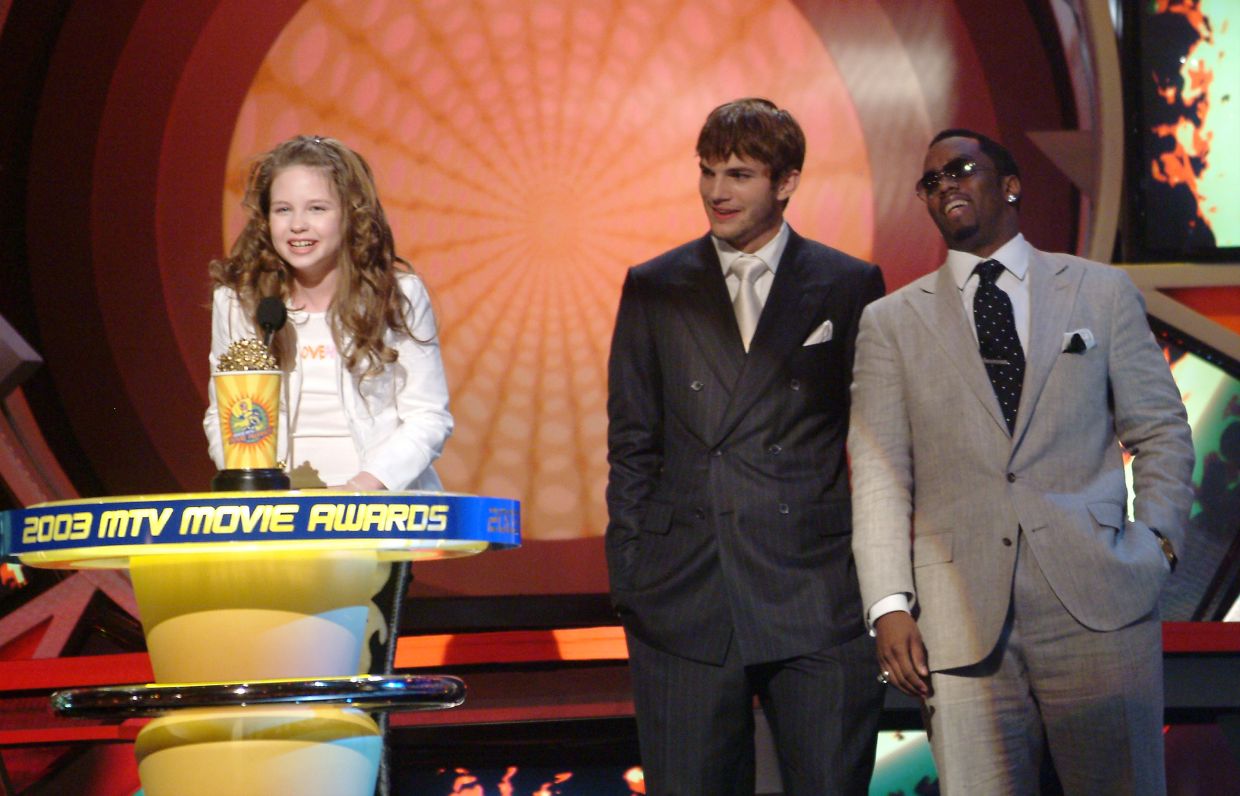
An archival video showing Sean 'Diddy' Combs inviting a preteen Daveigh Chase to an afterparty has resurfaced across social media in the aftermath of both the actress's death and the music mogul's high-profile legal downfall. The footage, captured during the 2003 MTV Awards ceremony, has become another focal point in the intense scrutiny surrounding Combs's conduct and the troubling patterns now being documented in his case. The clip's renewed circulation underscores how historical moments, once innocent in perception, are being reexamined through a darker lens given subsequent revelations about the entertainment industry figure's alleged behaviour.
Daveigh Chase, best known for her haunting portrayal of Samara Morgan in The Ring, passed away on June 16 at Cedars-Sinai Medical Center in Los Angeles at the age of 35. Her father, John Schwallier, disclosed that she had succumbed to complications arising from bacterial meningitis and sepsis, compounded by severe malnutrition. The actress had been battling addiction for some time and was unhoused, residing on the streets in the vicinity of the hospital where she ultimately received care. Her death marks a tragic endpoint to a career that had shown early promise during her child acting years but had since spiralled amid personal struggles.
At the 2003 MTV Awards, Chase received recognition for Best Villain, honouring her breakthrough performance in the horror film. After presenters Ashton Kutcher and Combs handed her the award, the footage shows Combs approaching the child with a drink in hand and casually inquiring whether she intended to attend the post-awards celebration. Chase nodded in response, and Combs enthusiastically affirmed the invitation whilst Kutcher appeared to find the exchange amusing. The interaction, captured in mere seconds, would have seemed utterly unremarkable at the time—a mogul extending a social courtesy to a young award recipient. Yet in light of what has since emerged about Combs's conduct, the moment has taken on a troubling significance.
Sean Combs's reputation has undergone a seismic collapse over the past eighteen months. Federal agents apprehended him in September 2024 at the Park Hyatt Hotel in Midtown Manhattan following a months-long investigation into his activities. The cornerstone of the criminal charges against him centred on the existence of what law enforcement termed 'freak-off' parties—multi-day gatherings characterised by controlled substance use and commercial sexual activity, frequently involving individuals in the sex trade. These events, prosecutors alleged, were orchestrated with deliberate planning and involved coercion of participants.
The legal proceedings concluded with a guilty verdict in July 2025 after a federal sex trafficking trial in New York. At age 55, Combs was convicted on two counts related to transportation for purposes of prostitution. The court subsequently imposed a fifty-month federal prison sentence, and he is presently incarcerated at FCI Fort Dix, a federal correctional facility in New Jersey. Beyond the criminal conviction, the disgraced entertainment executive faces civil litigation from more than one hundred plaintiffs, many alleging sexual assault and exploitation occurring across multiple decades.
The emergence of the MTV Awards video has intensified public discomfort about access and power dynamics within the entertainment industry, particularly regarding children. Critics have pointed out that the casual manner in which a prominent adult invited a child to an exclusive afterparty—an environment later documented as frequently involving substance use and sexual activity—reflects the normalised culture that enabled predatory behaviour to flourish. The footage has become symbolic of how inappropriate conduct often occurred in plain sight, with observers either unaware of its significance or unwilling to intervene.
For Southeast Asian audiences, particularly Malaysian viewers, the case represents a broader cautionary tale about the entertainment industry's darker dimensions and the vulnerability of young performers regardless of their commercial success. Chase's trajectory from child star to homelessness and premature death underscores the psychological and social toll that early fame can exact, especially when coupled with insufficient protective mechanisms. The fact that she was struggling with addiction and living in extreme poverty whilst a major Hollywood figure she once encountered was commanding hundred-million-dollar contracts illustrates the stark inequities within the entertainment ecosystem.
The resurfaced video also raises questions about institutional accountability within entertainment. Award shows, studios, and industry gatekeepers operate with substantial latitude in determining who gains access to exclusive spaces and opportunities. The apparent ease with which adults could invite children to adult-oriented afterparties without apparent oversight or concern from event organisers reflects organisational cultures that have historically prioritised access and spectacle over child safety. Current reform efforts across major entertainment organisations are attempting to address these systemic vulnerabilities, though critics argue meaningful change has been slow.
Combs's downfall has inspired broader reckonings across the global entertainment industry. Production companies, talent agencies, and broadcasters are reassessing policies governing minors on sets, at events, and in interaction with powerful industry figures. The Malaysian entertainment landscape, whilst smaller in scale, similarly grapples with questions of safeguarding young talent and preventing exploitation. Local industry bodies have increasingly called for stronger regulatory frameworks and transparency regarding the treatment of child performers.
The tragic circumstances of Chase's death add poignant context to the resurfaced footage. The actress's final years were characterised by profound hardship, mental health challenges, and physical deterioration—experiences that stand in stark contrast to the glamorous image of the award-winning child star. Her passing has prompted reflection on the broader responsibility the entertainment industry bears toward individuals, particularly those who achieved prominence at vulnerable ages. Mental health support, addiction services, and social safety nets for former child performers remain inadequate across most entertainment ecosystems, including Southeast Asia.
As the full scope of Combs's alleged conduct becomes understood through court documents and civil filings, every piece of archival evidence is being recontextualised. Moments that appeared innocuous or celebratory are now being examined for signs of inappropriate boundary-crossing or predatory intent. This process of retroactive examination, while necessary for establishing patterns of behaviour, also serves as a reminder of how power imbalances in entertainment can obscure harm until it reaches catastrophic proportions. Chase's case represents one of many lives disrupted by an industry structure that has historically failed to protect its most vulnerable participants.

