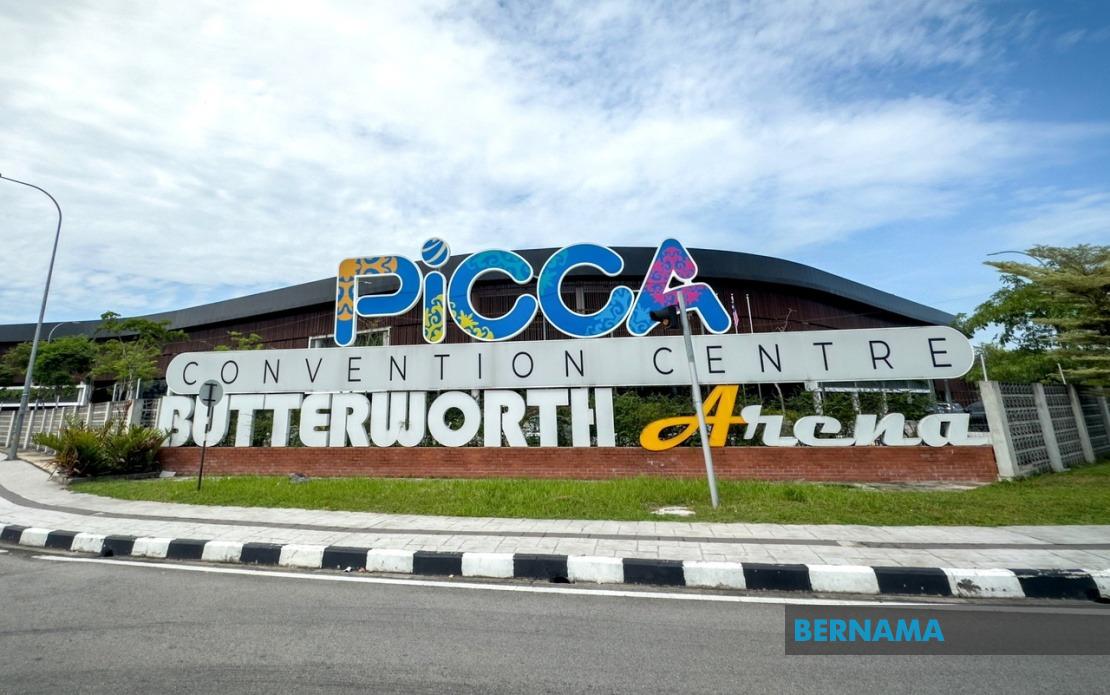
The doors are opening tonight at Butterworth's PICCA@Arena for RIUH Pi HAWANA 2026, a three-day creative carnival that marks a significant celebration of Malaysia's media industry and cultural landscape. Final preparations at the venue are advancing without major hitches, with installation crews putting the finishing touches on stage infrastructure, sound and lighting systems ahead of the evening's opening concert, scheduled to run from 8 pm until midnight. Communications Minister Datuk Fahmi Fadzil is anticipated to grace the occasion, signalling the government's backing for an initiative tied to the broader HAWANA 2026 festivities honouring the National Journalists' Day.
The carnival extends through Sunday, with programme hours shifting to 4 pm until midnight on June 20 and 21. Beyond the opening night's musical showcase, organisers have crafted a multifaceted experience designed to appeal across age groups and interests. The three-day run brings together more than two dozen local creative product brands alongside twenty food and beverage vendors, creating a marketplace for independent makers and entrepreneurs. Interactive workshops throughout the event invite visitors to engage directly with creative disciplines, moving beyond passive consumption towards hands-on discovery of artistic and cultural practices.
MyCreative Ventures, the chief organising body, has set an ambitious attendance target of 30,000 visitors across the entire festival. Chief executive officer Zainol Haqim Zainol Rashid indicated during media interviews that feedback from participating artists, creative sector professionals, and booth operators has exceeded initial expectations. The organisation has already secured commitments from eighteen live musical acts, a roster reflecting both established Malaysian performers and emerging talent. The confirmed line-up includes Exists, Bunkface, Masdo, Sakura Band, Fugo, Budak Nakal Hujung Simpang, and Chelsia Ng, representing various genres and demonstrating the breadth of Malaysia's contemporary music scene.
The timing of RIUH Pi HAWANA 2026 in Butterworth carries particular significance for northern Malaysia. Penang and surrounding regions have historically been underrepresented in major national cultural events concentrated in Kuala Lumpur and Selangor. By situating this carnival in the Seberang Perai corridor, organisers are deliberately bringing a flagship celebration of Malaysian creativity beyond the central belt, potentially exposing northern audiences to a concentrated display of national talent while providing local creators with a major platform. Zainol Haqim expressed confidence that the northern Malaysian population would respond enthusiastically to the programme, framing attendance not merely as entertainment consumption but as community participation in a media industry milestone.
HAWANA itself represents a relatively recent institutional fixture within Malaysia's cultural calendar. Inaugurated in 2018, the celebration has evolved into an annual occasion highlighting journalism's role within the democratic ecosystem. The Ministry of Communications oversees the broader initiative, with Bernama, the Malaysian National News Agency, serving as the coordinating organisation. This year's iteration expands beyond traditional recognition ceremonies to encompass creative industries more broadly, reflecting recognition that contemporary media ecosystems extend far beyond newsrooms into podcasting, visual content creation, digital storytelling, and multimedia production. The carnival format democratises participation, inviting not just established media figures but independent creators and small enterprises to occupy central space within the celebration.
The HAWANA 2026 Summit scheduled for tomorrow will concentrate the formal dimension of the celebration, with approximately one thousand media professionals from Malaysia and international delegations converging in Penang. Prime Minister Datuk Seri Anwar Ibrahim will officially launch the summit, elevating its profile and signalling continued government commitment to press freedom and media sector development. This simultaneous occurrence of both grassroots creative carnival and high-level policy summit creates a dual-track celebration: the RIUH Pi festival engages general publics and emerging creators, whilst the summit facilitates dialogue among senior editors, journalists, and media strategists grappling with evolving news landscapes and technological disruption.
The programming choices embedded within RIUH Pi HAWANA 2026 reveal deliberate strategy regarding which dimensions of Malaysian culture organisers wish to foreground. Musical performances dominate the schedule, suggesting recognition that live entertainment commands broad appeal and creates shareable social media moments. The inclusion of food vendors positions the carnival as a social gathering space rather than purely transactional marketplace. Arts and cultural activities acknowledge that journalism intersects with creative expression, documentary photography, and storytelling traditions extending beyond hard news formats. Interactive workshops signal that creativity should not remain passive consumption but can be learned, practised, and developed by participants regardless of prior experience.
Participant sentiment around the event appears uniformly positive according to available reports. Artists have expressed enthusiasm rather than reluctance, suggesting confidence in execution and audience receptiveness. Booth operators representing local creative brands view the platform as genuinely valuable exposure rather than obligatory participation. This baseline of goodwill among stakeholders substantially increases likelihood of smooth operational execution throughout the three-day run. When vendors, performers, and organisers share aligned interests and positive expectations, the event itself tends to generate momentum, with satisfied early attendees encouraging wider visitation through word-of-mouth and social media amplification.
The broader context within which RIUH Pi HAWANA 2026 unfolds includes ongoing global conversations about press freedom, media sustainability, and the cultural industries' economic vitality. Malaysia's media landscape has experienced significant transitions over the past decade, with digital disruption fundamentally altering consumption patterns and revenue models. By celebrating journalism and creative industries simultaneously through this carnival format, the initiative acknowledges that sustainable media ecosystems require not merely professional journalism but vibrant surrounding creative sectors. Musicians, visual artists, designers, and cultural practitioners contribute to the information commons and public sphere even when their output does not fit traditional news categories. This broader conception of media culture reflected in RIUH Pi HAWANA 2026 suggests maturation in how Malaysian policy makers conceptualise press freedom and cultural vitality.
For Malaysian audiences in the northern regions particularly, the carnival represents an accessible entry point into conversations about media, creativity, and cultural production that often feel remote or inaccessible from smaller cities and towns. The family-oriented programming and food vendor integration create conditions where attendance requires no specialist knowledge or cultural capital. Someone who has never attended a music festival or creative industry event can encounter unfamiliar artists, sample unfamiliar cuisines, and participate in workshops without prior commitment or expertise. This democratising dimension extends the cultural sphere beyond typical gatekeepers and credentialing institutions.
As evening approaches in Butterworth and stage crews conduct final sound checks, the opening concert represents a threshold moment. The event has been extensively planned and promoted, expectations have been established, and attendance targets established. Whether RIUH Pi HAWANA 2026 fulfils the organisers' aspiration to become a marquee celebration of Malaysian creativity will depend partly on execution but largely on whether the gathering captures public imagination and generates momentum through its opening weekend. The presence of established performers, diverse programming, and strategic location position the carnival advantageously. The question now rests with Penang audiences and northern Malaysian publics to determine whether they embrace this invitation to celebrate journalism, creativity, and cultural expression.

