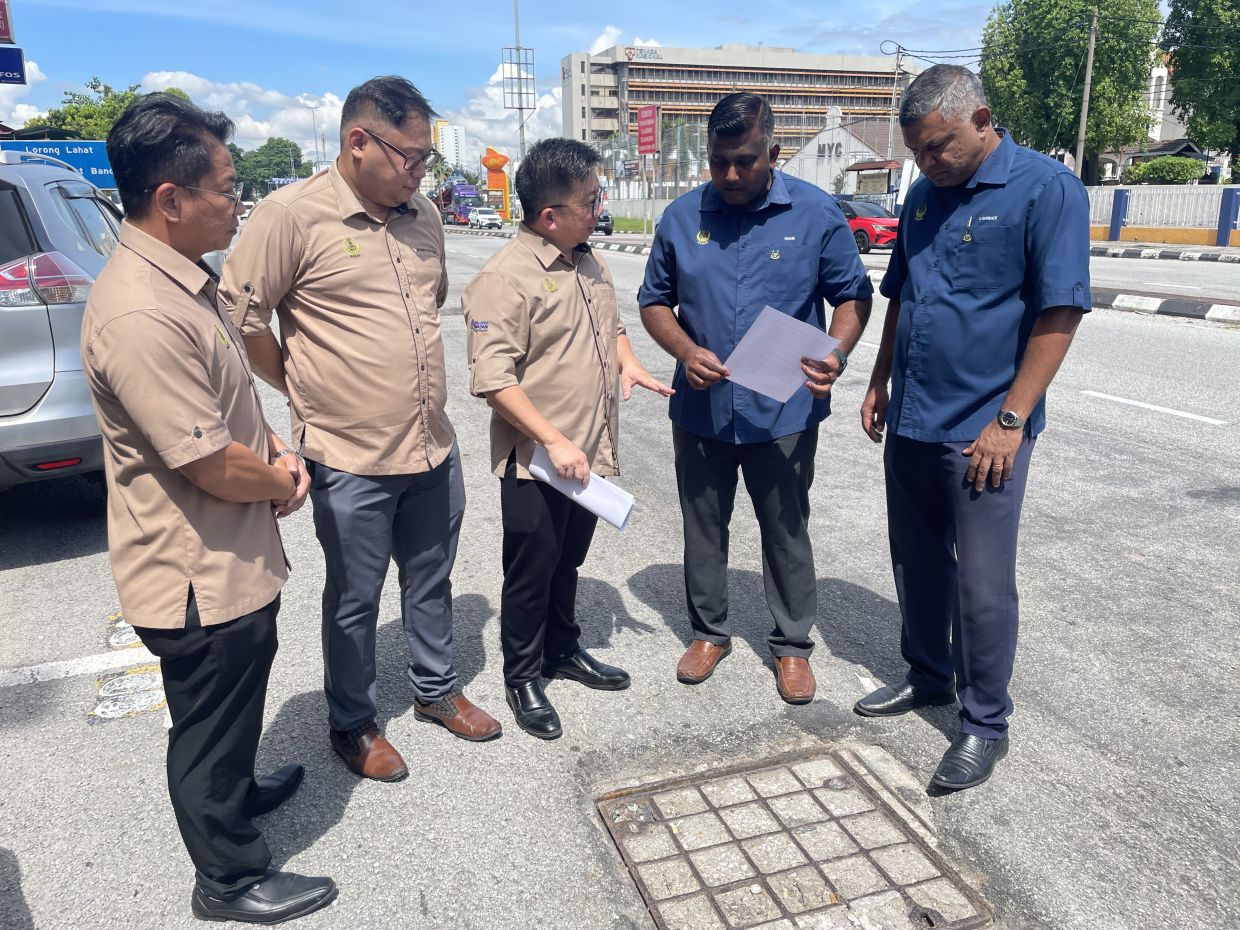
Ipoh residents and commuters can expect tangible improvements to one of the city's most problematic thoroughfares after authorities announced a RM2.6mil resurfacing initiative for Jalan Lahat, with construction scheduled to commence in July. The ambitious project will tackle nearly 4km of the critical route that cuts through three state constituencies—Buntong, Tebing Tinggi and Menglembu—addressing years of deterioration that has compromised road safety and vehicle integrity.
Menglembu assemblyman Chaw Kam Foon revealed the project details during a media briefing on Wednesday, June 24, confirming that the Malaysian Road Records Information System (Marris) funding mechanism will support the resurfacing works. The initiative represents a decisive response to mounting frustrations among daily users who have endured crumbling asphalt and treacherous surface conditions for an extended period. While Jalan Lahat stretches approximately 10km to 11km in total length, the current allocation will focus on the most severely compromised sections, encompassing roughly 1.9km in each direction.
The deteriorating state of Jalan Lahat became impossible to ignore after social media users began documenting the road's declining condition, with particular attention drawn to a massive pothole on the flyover section that posed genuine safety hazards. One viral video depicting this defect catalysed rapid temporary repairs, yet such patchwork solutions proved inadequate given the underlying structural problems. Chaw noted that approximately twenty vehicles sustained tyre damage during June alone after striking potholes along the affected corridor, underscoring the extent of the hazard facing ordinary motorists.
Councillor K. Sivam provided additional context, revealing that requests for comprehensive repairs have circulated since 2024, with approval finally materialising this year following sustained advocacy. The tender process is currently underway, positioning the project for its anticipated July commencement with completion targeted within approximately three weeks. This timeline, if achieved, would provide rapid relief to residents and commuters who navigate these roads daily for work, education and commerce.
The heavy usage patterns along Jalan Lahat present unique maintenance challenges that simple patching cannot resolve. Sivam explained that the corridor serves as a vital artery connecting residential neighbourhoods, educational institutions and commercial districts while simultaneously handling substantial volumes of heavy vehicles and lorries that accelerate surface degradation. Previous temporary remediation efforts consistently underperformed due to accumulated weather exposure and relentless traffic pressure, making full-scale resurfacing the only viable solution for achieving durable results.
Beyond surface potholes, underlying infrastructure complications have contributed substantially to the road's condition. Sivam attributed significant damage to previous utility excavation projects, particularly sewerage pipeline installations where subsequent restoration work fell below acceptable standards. These utility-related works frequently leave roads structurally compromised, with inadequate reinstatement procedures that fail to restore original integrity. The upcoming resurfacing project will address this legacy damage by levelling manholes, eliminating road undulations and repainting directional lane markings to restore proper driving conditions.
Moving forward, authorities have implemented monitoring mechanisms designed to prevent repetition of past restoration failures. The Corridor Utiliti Darul Ridzuan (KUDR) will exercise oversight authority regarding future excavation works, empowered to enforce compliance with approved specifications and standards. Utility companies that neglect proper road restoration face escalating enforcement actions including fines, compounding penalties and mandatory repair orders, creating incentive structures that should discourage shoddy workmanship.
For Malaysian readers, this project exemplifies broader infrastructure maintenance challenges affecting urban road networks across the region. The Jalan Lahat situation reflects common patterns whereby deferred maintenance creates cascading problems, with temporary fixes ultimately consuming resources that would have sufficed for preventive care. The viral social media exposure that ultimately prompted action demonstrates how digital communication increasingly influences municipal prioritisation decisions, for better or worse.
The project's success will significantly impact commuters across northern Perak, given Jalan Lahat's role within broader transportation networks. Improved road conditions should reduce vehicle maintenance costs for regular users while enhancing safety for all road users. Additionally, better infrastructure supports commercial activity along the corridor and improves accessibility to educational and healthcare facilities that many residents depend upon.
The three-week construction timeline suggests authorities have prioritised completion before disruption to commuters becomes intolerable, though traffic management planning will prove essential during implementation. Residents should anticipate temporary access challenges and adjusted travel routes while acknowledging that short-term inconvenience represents necessary investment in long-term infrastructure quality. Success with the Jalan Lahat project could establish templates for addressing similar deterioration affecting other Ipoh routes, potentially leveraging comparable Marris funding mechanisms to systematically upgrade critical road networks.

