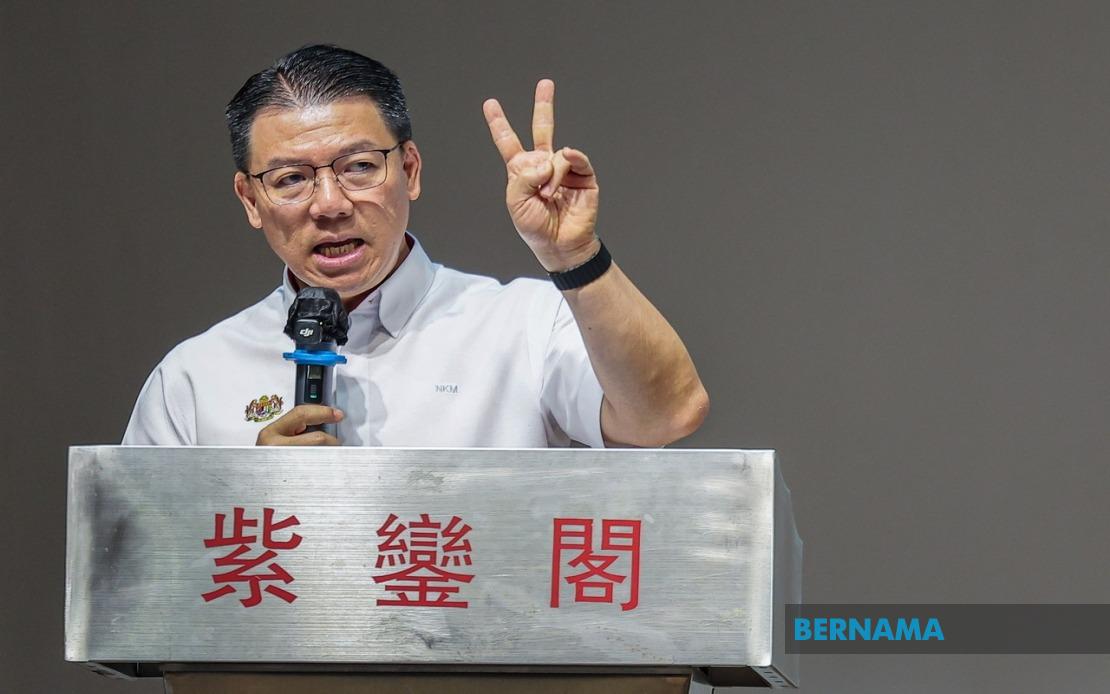
The Malaysian government has invested RM200 million into the maintenance and upkeep of non-Muslim houses of worship across the country over a four-year period beginning in 2023, Minister Nga Kor Ming announced during a ceremony in Kluang. The Non-Muslim Houses of Worship, or RIBI, Maintenance Initiative represents what the government describes as a tangible commitment to equitable development regardless of religious or ethnic background, extending support to churches, gurdwaras, Hindu temples, Buddhist temples and other religious associations throughout the nation.
The scale of uptake demonstrates genuine demand from religious communities seeking to preserve and improve their facilities. Through the e-RIBI System portal, administrators have processed 1,478 applications with a combined value exceeding RM279 million, revealing the significant maintenance backlogs and upgrade needs facing Malaysia's diverse religious institutions. This gap between applications and available funds underscores the ongoing strain on places of worship seeking to maintain safe, functional premises for their congregations.
Johor state has emerged as a particular focus of the programme, receiving RM18.75 million in allocations spanning from 2023 through May 2026, directly supporting 154 religious premises across the state. The state government announced an additional RM3.14 million specifically designated for 27 RIBI locations during the current year, funding renovation work, structural maintenance, new construction and emergency repairs needed to ensure facilities remain operational and safe for worshippers and community activities.
Nga's framing of the initiative reflects broader messaging from the government regarding national unity and inclusive development. He articulated this through language emphasising the diverse ethnic and religious composition of Malaysia—including Malay, Chinese, Indian, Iban and Kadazan-Dusun communities—arguing that equitable public investment strengthens social cohesion and national stability. The government's positioning suggests that demonstrable fairness in resource allocation, particularly towards religious minorities, serves economic objectives by reassuring investors and maintaining the conditions necessary for business confidence.
The maintenance initiative carries implicit political significance in Malaysia's complex religious and communal landscape. By formalising government support for non-Muslim places of worship, authorities signal institutional commitment to religious pluralism and equal treatment across different faith communities. This becomes particularly noteworthy in a country where religious sensitivities remain pronounced and where unequal treatment of minority communities can fuel grievances that destabilise the broader social contract.
The e-RIBI System itself represents a modernisation of administrative processes around minority religious facility support, moving from ad-hoc or discretionary assistance towards a transparent, digitised application framework. Nga indicated that the ministry intends to maintain professional oversight of approved projects to ensure funds reach genuinely deserving organisations and that implementation occurs efficiently. This emphasis on transparency and accountability acknowledges longstanding concerns about targeted government support programmes sometimes benefiting connected entities rather than neediest recipients.
From an infrastructure perspective, the programme addresses accumulated maintenance challenges across religious premises that often operate with limited financial resources. Many churches, temples and gurdwaras rely on donations and community contributions insufficient to fund major repairs or upgrades, particularly for older buildings requiring structural work. Government support through the RIBI initiative fills this gap, extending maintenance capacity to institutions that serve important cultural and spiritual functions within their respective communities.
The political context surrounding minority religious facility maintenance in Malaysia carries weight extending beyond routine infrastructure provision. Historically, concerns about unequal state support for non-Muslim places of worship have occasionally surfaced in public debate, with some arguing that government resources disproportionately favour Muslim-majority projects. By allocating substantial and visible funding to non-Muslim premises, the government attempts to demonstrate commitment to equitable treatment and rebut perceptions of discriminatory resource distribution.
The initiative also reflects recognition that Malaysia's stability as a multiethnic, multireligious nation depends partly on maintaining healthy relationships between communities of different faiths. Religious institutions serve as focal points for community identity and cohesion, and their physical state carries symbolic weight. Dilapidated or poorly maintained places of worship can breed resentment among congregants and worsen intercommunal perceptions. Conversely, well-maintained, functional religious facilities support healthy community life and reinforce the practical reality of equal citizenship across religious lines.
Moving forward, the programme faces questions about sustainability and future funding. The initial four-year allocation expires, and it remains unclear whether the government intends to continue the initiative with renewed allocations or whether the RM279 million in approved applications will exhaust available resources prematurely. Religious communities may face uncertainty about post-2027 funding prospects for remaining maintenance needs, potentially creating fresh grievances if applications must subsequently be denied due to budget constraints.
The Johor state ceremony also served as part of a broader government outreach effort titled KPKT 4.0 Sentuhan Kasih Program 2026, suggesting integration of the RIBI initiative into wider ministry messaging around compassion and inclusive governance. This packaging frames minority religious facility support as one component of comprehensive government commitment to fairness across all communities and social groups, potentially positioning the ruling coalition favourably among non-Muslim voters and communities concerned with equitable treatment.
For Southeast Asian observers, Malaysia's RIBI maintenance initiative demonstrates one approach to managing religious diversity and communal relations in a multiethnic democracy. By institutionalising visible, transparent support for minority religious infrastructure, the government attempts to balance majority-religion sensitivities with minority-community needs. Whether such targeted funding programmes ultimately strengthen social cohesion or risk reinforcing communal identities as separate recipients of state largesse remains a broader question Malaysian policymakers and scholars continue debating as the nation navigates its complex religious and ethnic composition.

