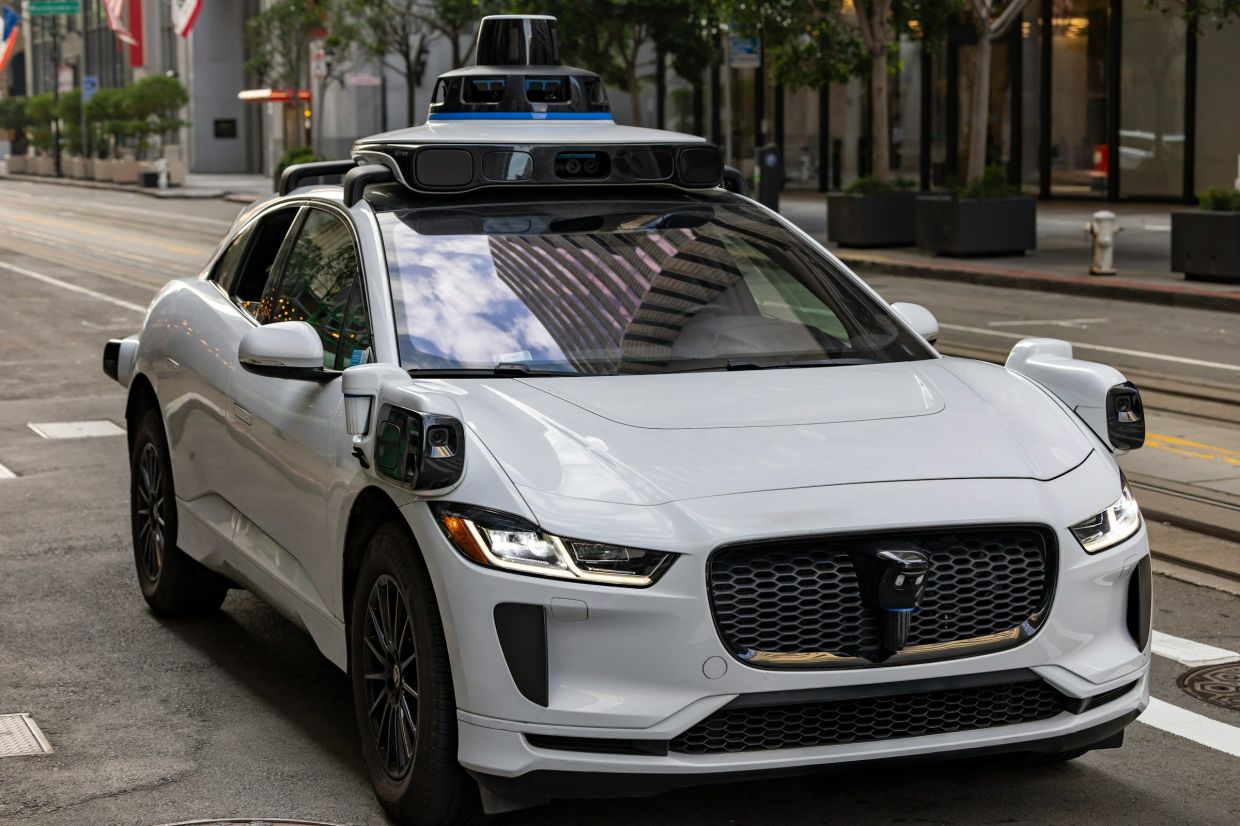
Autonomous vehicle services are encountering mounting pressure from regulators and emergency responders after a series of high-profile incidents in which robotaxis obstructed access to critical situations. In late May, rescue teams responding to a fatal gas explosion experienced a delay exceeding three minutes when an autonomous vehicle's decision-making systems failed to vacate the emergency zone. Weeks earlier, ambulances attending a shooting incident in Austin found themselves gridlocked behind a Waymo robotaxi that froze mid-manoeuvre while attempting to execute a U-turn, forcing a police officer to manually operate the vehicle and move it clear of the scene. These cases underscore a fundamental gap between the theoretical competencies of autonomous systems and their real-world performance in genuinely unpredictable situations that demand immediate human judgment.
Broadcasting networks have documented hundreds of instances in which autonomous vehicles engaged in behaviours that contravene basic traffic safety principles. The vehicles have proceeded through red signals, ventured into opposing traffic lanes, entered restricted zones including active crime scenes, disregarded temporary road closures implemented during emergencies, and operated dangerously near cyclists and pedestrians exercising lawful right of way. Such lapses represent exactly the category of risks that autonomous driving systems are engineered to prevent, yet they occur with sufficient regularity to constitute a pattern rather than isolated anomalies. The incidents reveal a significant discrepancy between how autonomous systems behave in controlled testing environments and how they navigate the genuine complexity and improvisation required on public roads where human behaviour remains fundamentally unpredictable.
Recent weather-related incidents have compounded safety concerns. Within the past two months alone, Waymo has withdrawn thousands of vehicles from service and suspended operations across multiple cities following incidents in which robotaxis encountered flooded roadways. In San Antonio, an unoccupied Waymo was swept away by rushing floodwaters, demonstrating that even basic environmental hazard recognition—something human drivers instinctively assess—remains inconsistently executed by autonomous systems. The cumulative effect of these incidents has prompted legislative action, particularly in Texas, where new regulatory frameworks now mandate formal licensing procedures, comprehensive emergency protocols, accessible complaint mechanisms, and expanded regulatory authority for government oversight bodies.
Waymo maintains that its autonomous vehicles have already made roads demonstrably safer, citing data suggesting that its robotaxis are thirteen times less likely to be involved in crashes resulting in serious injuries compared to human-operated vehicles. The company's position reflects a broader industry argument that raw safety statistics, calculated across thousands of miles driven, demonstrate technological superiority. However, this metric-focused narrative obscures the specific vulnerability that emergency responders and municipal authorities identify: while overall accident rates may be lower, the particular failure mode of autonomous vehicles—freezing, incorrect decision-making, or obstruction during genuine crises—creates distinct hazards that traditional accident statistics do not adequately capture. A robotaxi that functions perfectly during routine driving but becomes incapacitated during emergency response creates a novel category of risk.
China's extensive deployment of autonomous taxi services provides a cautionary case study. Thousands of robotaxis operate across major cities, yet public confidence remains fragile. The operator Baidu operates robotaxis in Wuhan where, in a significant incident, more than one hundred vehicles simultaneously malfunctioned, described vaguely as a "system failure." The company's reluctance to provide detailed public explanation typifies a transparency deficit that has eroded confidence among users and residents. Beyond safety concerns, organised taxi driver associations have mounted substantial resistance, viewing the technology as an existential threat to their livelihoods. Chinese public sentiment reflects this ambivalence: while official government narratives emphasise technological progress, many citizens harbour reservations about the reliability and oversight of systems operating without comprehensive public accountability mechanisms.
The technical architecture of autonomous vehicle decision-making presents inherent challenges that regulatory frameworks must address. Robotaxi systems integrate sensor technology, object recognition algorithms, route planning logic, and critically, emergency communication protocols that should enable seamless interaction with first responders. The potential for misalignment between these systems and human emergency procedures creates dangerous gaps. If a robotaxi possesses remote door-unlock capability but implements this function only after receiving official identifiers, passengers could become trapped during genuine medical emergencies. Similarly, vehicles that freeze while attempting complex manoeuvres—such as navigating narrow passages, accommodating road surface irregularities, or responding to temporary barriers—demonstrate that even sophisticated driving algorithms struggle when operating in constrained or unpredictable boundary conditions that require adaptive human judgment.
The Atlanta incident in 2023 illustrated how software flaws can create emergent public safety problems that fall outside traditional traffic accident categories. Dozens of empty Waymo vehicles became trapped in a routing loop within a residential neighbourhood, repeatedly circulating through the same cul-de-sac for extended periods. This malfunction, ostensibly a minor navigation error, created genuine concern among residents who worried about risks to children and household pets from vehicles operating in residential areas without coherent purpose or human oversight. The incident revealed how even temporary system failures in autonomous vehicle fleets can generate safety concerns that do not fit neatly into conventional accident reporting but nonetheless represent genuine public safety degradation.
Autonomous vehicle manufacturers and regulators now confront a fundamental tension between rapid technological advancement and adequate integration testing in authentic operational environments. Waymo's introduction of new vehicle models, including the recently launched "Ojai" platform developed collaboratively with Zeekr and incorporating sixth-generation software, suggests continued investment in capability enhancement. However, the relationship between product innovation and improved emergency response capacity remains unestablished. Whether incremental software improvements translate into reliable performance during genuine crises—the specific failure mode that has prompted regulatory intervention—cannot be assumed. The technology may require not merely software refinement but architectural redesign to ensure that emergency responsiveness becomes a foundational system priority rather than an afterthought retrofitted into platforms designed primarily for passenger transportation.
The regulatory response emerging in Texas and elsewhere indicates a critical inflection point in autonomous vehicle development. Rather than permitting the technology to mature through continued deployment and iterative improvement, policymakers increasingly demand that safety integration, particularly regarding emergency response, must precede or proceed simultaneously with expansion into new markets. This represents a significant departure from the permissive regulatory approach that characterised the technology's initial deployment. Companies will increasingly need to align artificial intelligence development, infrastructure investment, and operational protocols with compliance requirements rather than treating regulatory adherence as a secondary consideration. The fundamental challenge now facing the industry is whether technological development can maintain pace with regulatory demands or whether current systems will require substantial redesign to satisfy safety requirements that emergency responders and municipal authorities now regard as non-negotiable.

