%22%2F%3E%3C%2Fpattern%3E%3C%2Fdefs%3E%3Crect%20width%3D%22100%25%22%20height%3D%22100%25%22%20fill%3D%22url(%23ph278t0g)%22%2F%3E%3Crect%20width%3D%22100%25%22%20height%3D%22100%25%22%20fill%3D%22url(%23ph278t0p)%22%2F%3E%3Ctext%20x%3D%2250%25%22%20y%3D%2250%25%22%20text-anchor%3D%22middle%22%20dominant-baseline%3D%22central%22%20fill%3D%22rgba(255%2C255%2C255%2C0.95)%22%20font-family%3D%22Georgia%2C%20'Times%20New%20Roman'%2C%20serif%22%20font-weight%3D%22700%22%20font-size%3D%22226%22%20letter-spacing%3D%22-0.02em%22%3ERussia%3C%2Ftext%3E%3C%2Fsvg%3E)
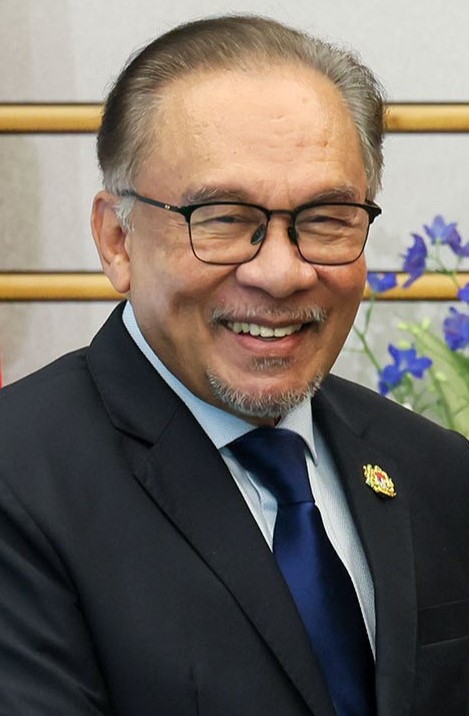
Prime Minister Anwar Ibrahim announced in Kazan on June 19 that Russia has committed to providing Malaysia with guaranteed long-term supplies of petrol, oil and gas, marking a significant development in bilateral energy relations between the two countries. The agreement represents an expansion of Malaysia's energy partnerships beyond traditional Middle Eastern suppliers and signals Kuala Lumpur's strategy to diversify its fuel import sources at a time of global energy market volatility.
The arrangement comes at a critical juncture for Southeast Asia's largest economy, which has long depended on imports to meet its domestic energy demands. Malaysia's petroleum sector faces mounting pressure from ageing oilfields and rising consumption, creating urgency for the government to secure reliable, long-term supply contracts with multiple producers. Russia's willingness to commit to Malaysia reflects broader Kremlin efforts to expand its economic influence in Asia, particularly as Western sanctions limit its access to European markets.
Anwar's discussions in Kazan, the capital of Tatarstan in southern Russia, positioned the Malaysian leader as a key figure in recalibrating Asia's energy relationships during a period of geopolitical realignment. The venue itself carries symbolic weight—Kazan serves as a major petrochemical hub and sits at the intersection of Russian energy infrastructure. By visiting this location rather than Moscow, Anwar emphasised practical commercial partnerships over purely diplomatic protocol, underscoring Malaysia's pragmatic approach to energy security.
The guarantee of long-term supplies offers Malaysia several strategic advantages. First, it provides price stability and predictability in an increasingly uncertain global energy market where prices fluctuate based on geopolitical events, supply disruptions, and demand shocks. Long-term contracts typically offer more favourable pricing structures than spot market purchases, allowing Malaysian refineries and energy companies to plan investments and operations with greater confidence. Second, it reduces Malaysia's vulnerability to supply disruptions emanating from the Middle East or other regions affected by political instability.
For Russia, the arrangement serves multiple objectives within its broader Asian pivot. As Western nations tighten energy sanctions and reduce purchases of Russian oil and gas, Moscow must find new markets to absorb its substantial energy production. Southeast Asia, with its growing economies and rising energy consumption, represents an ideal market for Russian energy exports. Malaysia specifically offers Russia access to a relatively stable, developed market and a gateway to broader ASEAN engagement. The agreement also strengthens Russia's hand in countering Western attempts to isolate it economically.
The deal carries implications for regional energy competition and geopolitics. It demonstrates that despite international pressure on Russia, major Asian economies maintain pragmatic relationships with Moscow when their national interests align. Malaysia's embrace of Russian energy supplies sits alongside its existing partnerships with Gulf producers, reflecting ASEAN's traditional non-aligned approach to great power relations. This diversification strategy distinguishes Malaysia from countries that have more explicitly aligned with Western energy security frameworks or shifted dramatically away from Russian suppliers.
From an economic perspective, the arrangement could benefit Malaysia's downstream energy sector, including refineries, petrochemical plants, and power generation facilities. Reliable Russian crude supplies could attract investment in domestic refining and processing capacity, potentially creating employment and adding value to crude oil before export. However, the deal must also navigate complex logistics, as Russian energy shipments to Southeast Asia require lengthy ocean voyages through international waters and potentially through areas of geopolitical sensitivity.
The agreement also intersects with Malaysia's climate and energy transition objectives. While the short-term commitment to fossil fuel supplies may appear at odds with net-zero aspirations, Malaysia has positioned itself as pursuing a gradual energy transition rather than abrupt fossil fuel phase-out. Government policy emphasises meeting current energy demand while investing in renewable sources and natural gas—a transition fuel considered less carbon-intensive than coal or crude oil. Russian gas supplies, therefore, align with Malaysia's intermediate energy mix strategy during the transition period.
Anwar's securing of this supply commitment enhances his domestic political standing by addressing energy security concerns that resonate with Malaysian voters and industrial stakeholders. Energy costs significantly impact household electricity bills, manufacturing competitiveness, and overall inflation, making energy security a bread-and-butter issue for ordinary Malaysians. By demonstrating proactive engagement with major suppliers, Anwar positions his government as competent stewards of critical national interests.
The diplomatic significance extends to Malaysia's broader foreign policy orientation. The successful negotiation with Russia, coupled with Anwar's sustained engagement across the Middle East, China, and Western democracies, reflects Malaysia's calibrated approach to maintaining multiple partnerships without fully committing to any single camp. This balancing act, sometimes characterised as strategic ambiguity, has traditionally served Malaysian interests by preserving maximum flexibility in an unpredictable regional environment.
Looking ahead, the energy agreement may catalyse additional bilateral cooperation between Malaysia and Russia in adjacent sectors such as petrochemicals, liquefied natural gas technology, and energy infrastructure development. It also sets a precedent that could influence how other ASEAN nations negotiate energy partnerships. As global energy markets continue evolving and geopolitical tensions persist, Malaysia's diversified supply portfolio becomes an asset both economically and strategically.