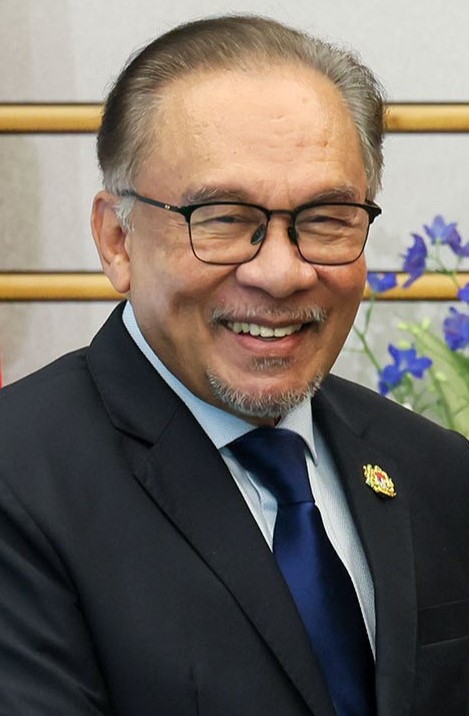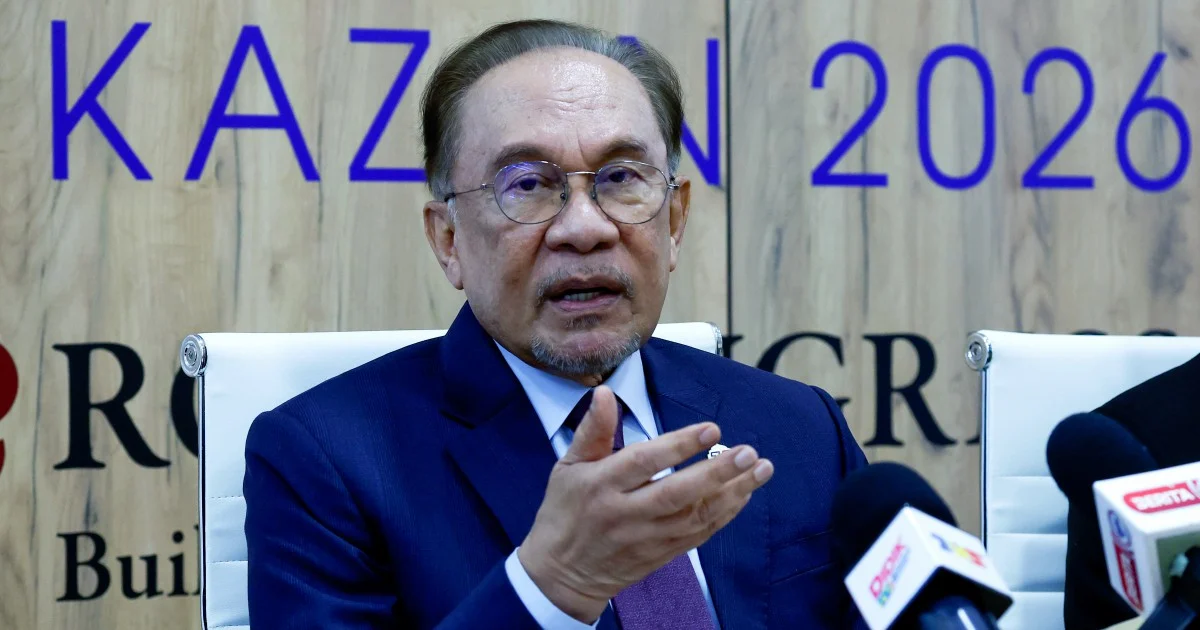
Prime Minister Anwar Ibrahim has confirmed that Russia intends to maintain reliable deliveries of petroleum products, crude oil, and natural gas to Malaysia over the long term, marking a significant development in bilateral energy cooperation between the two nations. The assurance came during discussions held in Kazan, the capital of the Tatarstan region in western Russia, where Malaysian and Russian officials explored deeper ties across multiple sectors.
The commitment addresses Malaysia's ongoing need to diversify its energy sources and secure stable supplies amid global market volatility. With Asia's energy demands continuing to grow, establishing predictable partnerships with major hydrocarbon producers has become increasingly critical for economic stability. Russia, as one of the world's largest suppliers of oil and natural gas, represents a valuable strategic partner for Malaysia's long-term resource security.
This development reflects broader attempts by both countries to strengthen diplomatic and economic relations. Malaysia and Russia have historically maintained cordial ties, but the energy partnership underscores the growing importance of bilateral engagement beyond traditional diplomatic channels. The emphasis on sustained, long-term supply arrangements suggests both nations are seeking stability rather than spot-market transactions, providing Malaysia with greater predictability for industrial planning and energy costs.
Malaysia's current energy portfolio includes domestic production from the South China Sea and regional suppliers, yet diversification remains a strategic priority. Russian oil and gas additions would help insulate the country from price shocks and supply disruptions that could stem from geopolitical tensions or regional conflicts. For Malaysia's petrochemical, manufacturing, and power generation sectors, reliable fuel sourcing is essential to maintaining competitiveness and supporting the nation's economic growth targets.
The timing of these assurances carries particular significance given global energy market tensions and sanctions regimes affecting conventional suppliers. By securing access to Russian hydrocarbons, Malaysia strengthens its independence in energy sourcing and reduces vulnerability to pressure from any single supplier. This approach aligns with Malaysia's broader foreign policy tradition of maintaining pragmatic relationships with diverse international partners regardless of geopolitical divisions.
From Russia's perspective, expanding energy exports to Southeast Asia presents opportunities to sustain revenue streams and strengthen political influence across a dynamically growing region. Malaysia's position as a significant economy and energy consumer within ASEAN makes it an attractive market for Russian energy companies seeking to establish long-term commercial relationships. These arrangements also serve Russia's strategic interest in building partnerships that extend beyond Western-aligned nations.
The fuel supply commitment carries implications for Malaysia's domestic energy policy and investment priorities. Secured access to imported hydrocarbons could influence decisions regarding domestic production investments, refinery capacity, and petrochemical industry development. Policymakers will need to balance imported supplies with efforts to maximise returns from Malaysia's own oil and gas reserves, particularly in aging offshore fields that continue to generate substantial government revenue.
For Southeast Asian energy security more broadly, Malaysia's diversified sourcing approach sets a precedent for regional peers seeking to strengthen their supply chains. Vietnam, Thailand, and other ASEAN nations facing similar energy demands may observe Malaysia's experience with Russian partnerships as they evaluate their own supplier diversification strategies. This regional dimension underscores how bilateral energy agreements can influence broader geopolitical alignments across Asia.
Implementing long-term energy supply agreements requires establishing robust legal frameworks, payment mechanisms, and logistics infrastructure. The practical realisation of Russian fuel deliveries to Malaysia will depend on finalising detailed contracts specifying volumes, pricing formulas, delivery schedules, and dispute resolution procedures. Both nations must also navigate international sanctions considerations and ensure compliance with relevant regulations governing energy trade.
The energy partnership announcement occurred within broader discussions on other cooperation areas, suggesting a comprehensive approach to strengthening bilateral relations. Energy agreements frequently serve as anchors for expanded economic engagement, potentially opening doors to collaboration in technology, infrastructure, and other industrial sectors. Malaysia may benefit from Russian expertise in oil and gas extraction, refining technologies, and petrochemical processing.
Longer-term, Malaysia's energy security depends on balancing multiple supplier relationships while managing the transition toward renewable and sustainable energy sources. While Russian fuel imports provide near and medium-term stability, Malaysian policymakers remain committed to increasing renewable energy capacity and reducing carbon intensity, as outlined in national climate commitments. The energy portfolio must accommodate both conventional hydrocarbon supplies and growing renewable generation to meet evolving environmental and development objectives.
The Russian commitment demonstrates that despite regional complexities and shifting international alignments, energy cooperation continues driving practical engagement between nations across different geopolitical spheres. For Malaysia, securing reliable fuel supplies from a major global producer enhances economic resilience while maintaining the flexibility characteristic of its foreign policy approach.