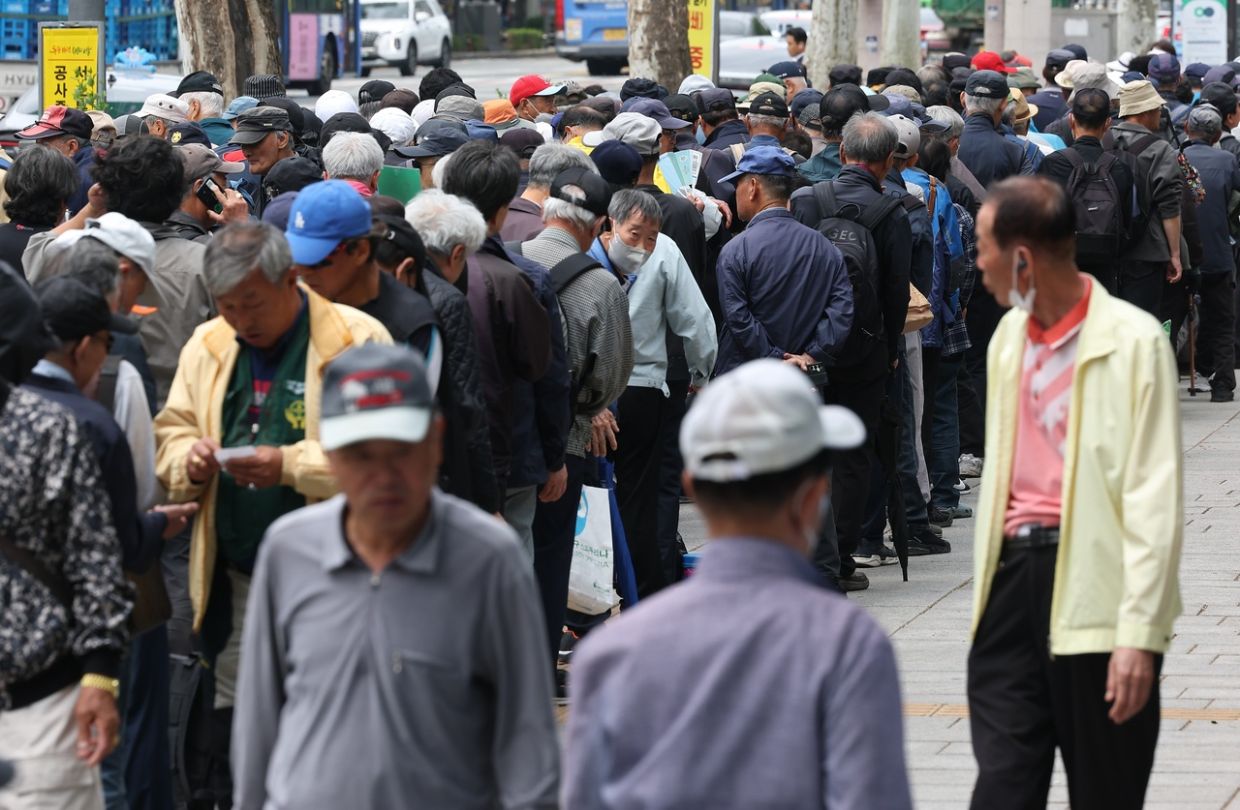
Seoul is grappling with a significant policy question that will reshape urban mobility for its ageing population: whether the city can sustainably provide free or subsidised bus rides to residents aged 70 and older. The Transportation Committee of the Seoul Metropolitan Council advanced the proposal on 15 June, with a full council vote scheduled for 17 June. If approved, the programme would extend existing free subway benefits to encompass ordinary city and neighbourhood buses, though express and intercity services would remain excluded. The initiative reflects a campaign commitment made by Seoul Mayor Oh Se-hoon during June's local elections, positioning transportation equity as a key electoral issue in a city where demographic change is reshaping service priorities.
The rationale behind the proposal highlights a structural gap in Seoul's current senior transportation benefits. Residents aged 65 and above enjoy free subway access, yet must pay regular fares for bus journeys. This creates a two-tiered system that disproportionately affects older citizens living in peripheral neighbourhoods or areas with limited subway connectivity. For seniors reliant on buses as their primary means of transport, the absence of fare support represents a meaningful financial burden that proponents argue undermines the spirit of comprehensive elderly care. Supporters argue that extending subsidies to bus riders would correct an inequity that has persisted for decades and ensure more equitable access to public mobility regardless of residential location or transit infrastructure proximity.
Several South Korean cities have already embraced similar measures, providing a policy template that Seoul can reference. Daegu launched free bus rides for seniors in 2023 and has committed to gradually lowering the eligibility age from 75 to 70 by 2028, demonstrating confidence in the programme's viability. Daejeon currently offers free bus rides to residents aged 70 and older, while Incheon is preparing to introduce comparable benefits for those aged 75 and above during 2024. These precedents suggest that the policy is increasingly mainstream across provincial cities, potentially creating pressure on Seoul to demonstrate comparable generosity toward its elderly population. However, Seoul's vastly larger budget and more complex transportation infrastructure present distinct fiscal challenges that regional comparisons do not fully capture.
The financial projections present a sobering counterweight to policy enthusiasm. According to calculations by the Seoul Metropolitan Council Secretariat, implementing free bus fares for all residents aged 70 and above would require approximately 104.7 billion won—roughly 68 million US dollars—in its inaugural year, assuming a 2027 launch. This figure will intensify as Seoul's elderly population continues its demographic expansion. The city anticipates its 70-plus population will swell from approximately 1.27 million this year to 1.63 million by 2031, driving annual subsidy costs to 127.5 billion won within seven years. Over a five-year implementation period, total expenditure could approach 579 billion won. These calculations exist atop Seoul's already substantial transportation support infrastructure, which includes over 450 billion won in annual compensation to private bus operators for system losses.
The city's existing subway system illustrates the fiscal complications that extend-benefit policies generate over time. Seoul Metro has repeatedly attributed its financial distress to free subway access for seniors, people with disabilities, and military veterans, noting that these concessional fares generated transportation losses averaging 364.5 billion won annually across the past five years. In 2025 alone, the loss reached 448.8 billion won, representing an acute strain on the semi-public operator's sustainability. Critics observe a fundamental tension: if Seoul simultaneously argues that it cannot absorb current costs of senior subway benefits, how can it credibly commit to expanding transportation subsidies without fundamental structural reform? This inconsistency invites scrutiny from fiscal conservatives concerned about Seoul's long-term budgetary health.
Legal experts and policy researchers warn that benefit programmes, once established, acquire powerful political momentum that makes retrenchment extremely difficult. Sohn Jong-pil, a senior researcher at the Fiscal Reform Institute, cautioned that cash-type welfare initiatives become entrenched quickly and are rarely reversed once citizens develop dependency expectations. He emphasised that policymakers must proceed cautiously and that simply expanding support without strengthening accountability within Seoul's semi-public bus system addresses only surface symptoms rather than underlying structural inefficiencies. The observation carries particular weight given Seoul's history of transportation subsidies expanding incrementally without corresponding reforms to operational efficiency or cost control mechanisms. The risk is that Seoul locks itself into perpetually growing subsidies without the institutional capacity to manage them sustainably.
Additional fiscal headwinds could compound the challenge. Recent court rulings have expanded the definition of ordinary wages in labour law, a development that will increase wage costs across Seoul's bus industry significantly. This regulatory shift arrives precisely when the city is contemplating expanded benefit commitments, potentially squeezing the city budget from multiple directions simultaneously. Private bus operators, already dependent on substantial city compensation for operating losses, may demand additional support to offset labour cost increases. The convergence of demographic pressure, regulatory changes, and existing subsidy commitments creates a challenging fiscal environment in which to introduce major new programmes.
Proponents, however, argue that cost projections may overstate the actual financial burden because the ordinance does not mandate unlimited free rides for all seniors. Rather, the proposal establishes a legal framework that grants the city considerable flexibility in programme design and implementation. Seoul officials emphasise that the measure does not require immediate universal free access but rather creates the institutional authority to establish senior bus-fare support through mechanisms of the city's choosing. This flexibility could theoretically enable Seoul to target benefits toward low-income seniors, cap the number of subsidised trips per month, restrict support to off-peak hours, or provide partial fare discounts rather than complete exemptions. Such graduated approaches could moderate fiscal impact while still delivering meaningful mobility support to vulnerable elderly residents.
The distinction between establishing a legal framework and mandating immediate universal implementation provides political breathing room, though it may ultimately prove merely rhetorical. Historical experience across welfare programmes suggests that once legislated rights exist, constituencies mobilise to demand full implementation of stated benefits, often successfully. If Seoul enacts an ordinance authorising senior bus fare support but subsequently implements means-testing or trip caps, political backlash from seniors' advocacy groups could prove substantial. The city would need to invest considerable political capital in explaining why authorized benefits remain restricted, a conversation that typically disadvantages fiscally conservative administrators. This dynamic suggests that framing the ordinance as merely permissive rather than mandating may offer short-term legislative cover but limited long-term protection against expansionary pressure.
For Malaysian policymakers and analysts observing Seoul's deliberations, the case study offers instructive lessons about demographic transitions and transportation equity. Malaysia's own elderly population is growing rapidly, and major cities increasingly confront similar questions about how to ensure mobility access for seniors on limited incomes. Seoul's experience illustrates both the genuine hardship that transportation costs impose on elderly residents and the fiscal risks that unstructured subsidy expansion creates. The Korean city's struggle to balance fiscal sustainability with equity commitments reflects tensions that will preoccupy Southeast Asian cities over the coming decades. Seoul's approach—attempting to establish flexibility within a legislative framework rather than mandating specific outcomes—may provide a template for Malaysian municipalities seeking to address elderly mobility while preserving budgetary discretion, though success will ultimately depend on whether political will can sustain limitations once benefits are formally established.
The Seoul Metropolitan Council's vote on 17 June will determine whether the city proceeds with this ordinance, but the broader policy tension extends far beyond this single decision. The city faces a fundamental question about the appropriate role of municipal government in subsidising transportation for specific demographic groups and whether expanding these benefits represents legitimate social investment or unsustainable fiscal commitment. As Seoul's elderly population continues growing and transportation costs rise, these questions will only intensify. The resolution Seoul reaches—whether through targeted benefits, full subsidies, or structural reforms to bus system efficiency—will shape municipal fiscal policy for decades and influence how other Asian cities approach similar demographic and equity challenges.

