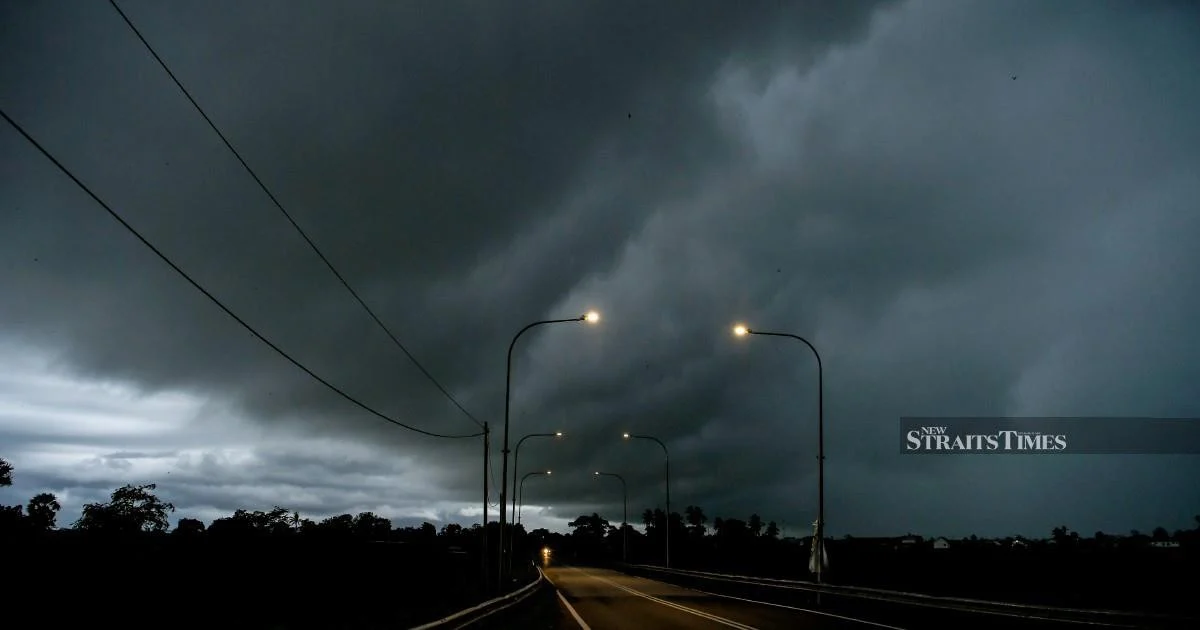
Malaysia's weather forecasting authority has activated a multi-region alert system as severe atmospheric conditions threaten the peninsula and east coast. The Meteorological Department, known locally as METMalaysia, issued the warning covering the Federal Territories of Putrajaya and Labuan alongside 10 additional states, cautioning the public of dangerous electrical storms, damaging wind speeds, and torrential rainfall expected throughout the overnight period and into the early morning hours.
The alert remained in effect through 9am today, giving residents and authorities in affected areas a narrow window to prepare for potentially hazardous conditions. The simultaneous warning across such a broad geographic area suggests a substantial weather system moving through Malaysian airspace, rather than isolated convective activity limited to a single region. Thunderstorms at this scale pose multi-faceted risks, from lightning strikes to flash flooding in low-lying districts and areas with poor drainage infrastructure.
Strong winds accompanying the electrical storms present secondary dangers that extend beyond immediate precipitation concerns. Gusty conditions can destabilise structures with loose components, topple unsecured outdoor equipment, and disrupt power lines that supply essential services to hospitals, telecommunications networks, and residential areas. Previous monsoon seasons have demonstrated how wind damage compounds the challenges faced by emergency responders already stretched by flooding operations in their respective districts.
The heavy rain component of the warning warrants particular attention in Malaysian context, where flash flooding has become an increasingly common occurrence in urban centres and densely populated suburbs. Infrastructure designed for conventional rainfall rates may prove inadequate when precipitation intensity spikes during severe thunderstorm activity, particularly if multiple cells pass over the same location within a short timeframe. Drainage systems in Kuala Lumpur, Selangor's industrial zones, and lower-altitude communities remain vulnerable to capacity exceedance during such events.
METMalaysia's decision to issue an integrated alert—rather than separate notifications for wind, rain, and lightning hazards—reflects evolving meteorological communication standards aimed at ensuring public comprehension of compound threats. Clear messaging becomes essential when multiple hazards converge, as residents and business operators must make rapid decisions about sheltering arrangements, travel postponement, and asset protection without being overwhelmed by technical jargon or fragmented warnings issued through disparate channels.
The inclusion of both Putrajaya and Labuan in the alert reflects how severe weather systems operate across maritime and terrestrial zones without regard for administrative boundaries. Labuan, as a federal territory on the island of Borneo's northern coast, frequently experiences intense tropical convection, while Putrajaya's planned development and expanding population density increase vulnerability to weather-related infrastructure disruptions. Together with the 10 unnamed states in this alert, these regions encompass diverse terrain ranging from coastal lowlands to elevated interior plateaus, each presenting unique flood and wind exposure profiles.
Public safety agencies across Malaysia typically activate heightened preparedness protocols when the Meteorological Department issues such warnings, pre-positioning emergency response teams, securing potential hazards, and opening information hotlines for public inquiries. Fire departments ready their pumping equipment for rapid deployment to flood-affected areas, whilst utility companies establish control centres to manage potential blackouts and coordinate restoration efforts. These coordinated responses, refined through repeated monsoon experiences, represent institutional learning accumulated over decades of managing tropical weather extremes.
The timing of this warning—requiring awareness through the early morning hours—suggests particular concern about overnight storm development when visibility is reduced and many residents remain asleep. Nocturnal thunderstorms often catch communities unprepared, as individuals may not immediately recognise dangerous conditions developing outside their awareness. Schools and workplaces affected by the warning may implement delayed opening protocols pending confirmation that conditions have stabilised and transportation routes remain passable.
Historically, Malaysia's thunderstorm seasons correlate with monsoon transitions and intercontinental convergence zone positioning, creating predictable seasonal patterns that meteorologists monitor closely. The Meteorological Department's early issuance of this alert demonstrates confidence in their modelling systems and suggests that atmospheric data supported warnings issued with sufficient lead time for protective action. Residents in the 12 affected regions should monitor official updates, avoid unnecessary outdoor exposure during the warning window, and exercise heightened caution if travel becomes unavoidable.
For Malaysian readers and regional observers, such warnings underscore the increasing intersection between climate variability and urban vulnerability. As population densities concentrate in areas like Kuala Lumpur and Selangor—precisely where the peninsula's drainage infrastructure faces mounting pressure—the implications of severe weather events extend beyond immediate physical threats to encompass economic disruption, transportation delays, and public health considerations. The Meteorological Department's systematic alert protocols provide essential guidance, but community awareness and preparedness ultimately determine how effectively Malaysian society navigates these recurring seasonal challenges.

