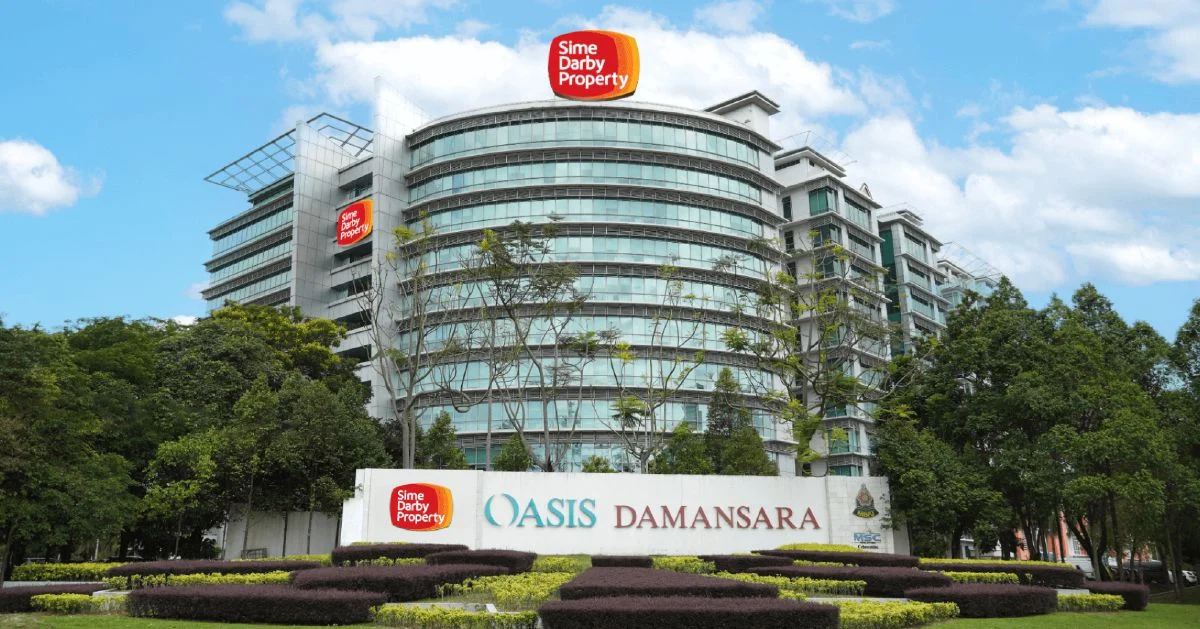
Sime Darby Property Bhd is mobilising substantial Islamic financing capacity through its second dedicated real estate development vehicle, New Economy Venture (NEV), which has unveiled a sukuk wakalah programme capable of raising up to RM2.6 billion. The initiative, structured through the establishment of Sime Darby Property NEV Holdings Sdn Bhd as the issuing subsidiary, underscores the company's commitment to expanding its footprint in strategic development zones aligned with Malaysia's economic diversification agenda.
The deployment of sukuk wakalah—a Shariah-compliant instrument premised on trust and agency principles—reflects both the rising appetite for Islamic financing solutions among major Malaysian developers and the structural advantages such instruments offer in capital markets. Unlike conventional bond issuance, wakalah structures vest the sukuk holder with beneficial ownership of the underlying assets or projects, creating a direct alignment between investor returns and project performance. This mechanism has gained traction among Malaysian real estate players seeking to tap the growing pool of Islamic finance capital without compromising development timelines or financial flexibility.
NEV itself represents Sime Darby Property's strategic pivot toward emerging economic clusters and future-oriented real estate categories. As Malaysia's economy transitions away from traditional resource extraction and toward knowledge-intensive, technology-enabled sectors, property developers are repositioning capital allocation toward mixed-use developments, industrial parks, technological innovation hubs, and sustainable urban centres. The RM2.6 billion fundraising envelope suggests NEV's project pipeline encompasses multiple sites or phases across high-priority zones, potentially including areas designated under the National Physical Plan or clusters identified by federal and state governments as growth corridors.
The sukuk programme's scale places it among the larger single-tranche Islamic financing issuances by Malaysian developers in recent years, indicating confidence among institutional investors and sukuk investors regarding the real estate segment's recovery trajectory. Property markets across Malaysia have demonstrated measurable resilience following pandemic-related disruptions, with selective segments—particularly those catering to e-commerce logistics, technology services, and affordable housing—commanding sustained demand and investor appetite. Sime Darby Property's decision to pursue such a substantial issuance suggests optimistic near-term execution prospects for its NEV projects.
For Malaysian property investors and analysts, the sukuk launch carries implications beyond the immediate capital raise. It signals management's conviction that current market conditions favour expansion rather than consolidation, and that future-oriented property categories command institutional backing. The wakalah structure additionally provides sukuk holders with periodic distribution rights tied to project revenue streams, creating transparent performance metrics and reducing information asymmetries that sometimes characterise conventional development finance arrangements. This transparency may broaden the investor base, potentially attracting overseas Islamic financial institutions and regional asset managers seeking exposure to Malaysian real estate without assuming full equity risk.
Sime Darby Property's broader portfolio context also warrants consideration. As a subsidiary of the diversified Sime Darby conglomerate, the property company operates with substantial parental backing and established track records across multiple asset classes and geographies. The NEV structure—effectively a specialised fund within the larger corporate entity—allows for focused capital deployment and autonomous project management while maintaining access to group resources, financial engineering expertise, and distribution networks. This hybrid arrangement has become increasingly common among Southeast Asian developers navigating capital constraints and market fragmentation.
Regional perspectives on this issuance merit attention as well. Malaysian sukuk markets have matured considerably over the past decade, with secondary market depth and investor diversity expanding substantially. However, real estate sukuk specifically remain concentrated among a handful of large issuers, leaving meaningful white space for additional developers to enter this capital-raising avenue. Sime Darby Property's large-scale wakalah programme may catalyse similar issuances from tier-two and emerging developers, potentially deepening the Islamic finance ecosystem for property development and broadening sectoral financing options across the region.
The programme's launch timing also reflects macroeconomic contexts shaping capital availability and cost structures. With central banks across Southeast Asia maintaining cautious monetary policy stances and credit conditions moderating from pandemic-era expansionism, developers increasingly view sukuk issuance as preferable to conventional bank borrowing, which faces tightening lending standards and rising pricing. Islamic bond markets, buoyed by sustained demand from regional Islamic financial institutions and overseas investors, have offered comparatively attractive pricing and tenor flexibility for quality real estate issuers. Sime Darby Property's access to this market thus represents a competitive advantage relative to smaller competitors reliant on traditional banking channels.
The new sukuk programme also carries implications for Malaysia's broader development finance architecture. As the country pursues infrastructure modernisation and sectoral rebalancing, the capacity to mobilise long-tenure capital for real estate projects becomes strategically significant. Sukuk financing, with typical tenors extending 7-10 years or longer, provides precisely the patient capital required for large-scale, phased developments. By successfully executing this issuance, Sime Darby Property may establish precedent-setting structures that other developers and institutional investors can reference or replicate, thereby amplifying the overall efficiency of Malaysia's real estate capital markets.
Looking forward, the RM2.6 billion fundraising represents both milestone achievement and launch pad. Successful deployment of these funds across NEV projects will generate performance data and investor returns that influence subsequent fundraising capacity and cost structures. Should NEV's projects achieve target timelines and financial performance metrics, Sime Darby Property may pursue additional sukuk issuances or expand NEV's asset base through additional capitalisation rounds. Conversely, any project-level challenges could modulate investor appetite for subsequent offerings. The issuance thus initiates a multi-year narrative arc that will shed light on property developers' capacity to execute complex, large-scale mixed-use projects in an increasingly competitive and economically complex Southeast Asian marketplace.

