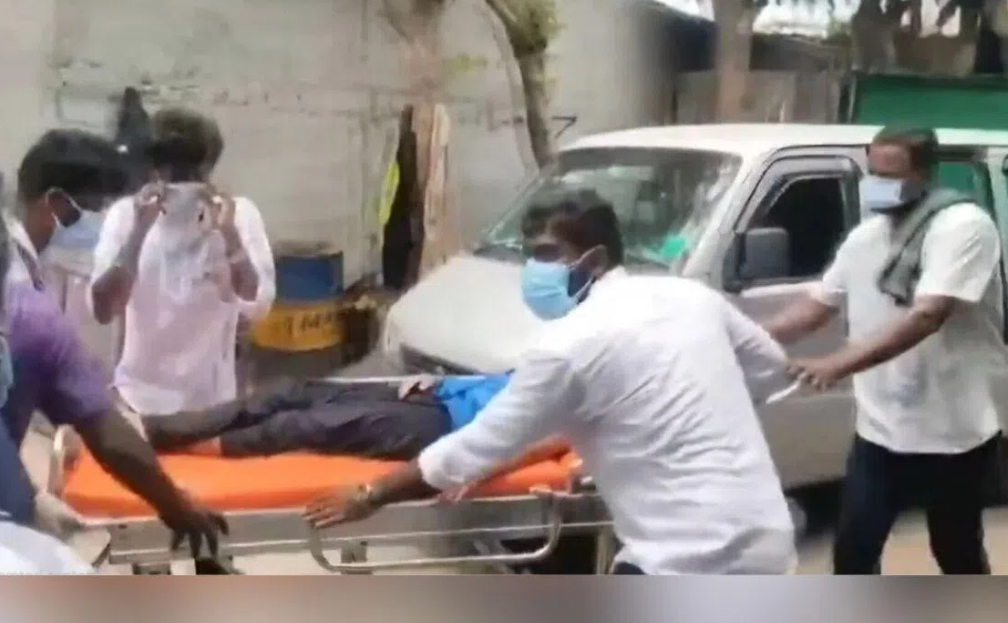
A suspected ammonia gas leak at a seafood export processing facility in Tamil Nadu's Thiruvallur district in India has resulted in at least six deaths and numerous hospitalisations, marking one of the region's most serious industrial safety incidents in recent memory. The tragedy unfolded on Sunday, June 21, at the plant situated near Periyapalayam village, where approximately 120 migrant workers—predominantly women from Assam, Odisha and Jharkhand—were present when the leak occurred, exposing the vulnerability of casual labourers in India's processing industries to workplace hazards.
Investigators believe the ammonia release originated from the facility's refrigeration or processing systems, which then dispersed rapidly throughout the plant. The nature of ammonia as a highly toxic gas meant that exposure could cause severe physiological damage within minutes. Workers caught in the affected zones experienced acute respiratory distress, acute dizziness and intense irritation across mucous membranes. Medical observations indicated that some workers suffered haemorrhaging from the mouth and nose, a sign of particularly intense chemical exposure that raised concerns about long-term health consequences and the severity of initial contamination levels.
The incident triggered immediate chaos as workers scrambled for exits and fresh air. Many collapsed while attempting to flee, underscoring how rapidly the gas spread through the facility and the difficulty workers faced in protecting themselves during the initial moments of the emergency. Panic spread quickly across the premises as the true scale of the danger became apparent, with workers who had been stationed in different sections of the plant realising they too were at risk.
Emergency response teams, police units and local authorities mobilised quickly to the scene. Rescue operations commenced within the window when some victims could still be saved, and the affected workers were transported to nearby hospitals where they received emergency medical interventions. Several patients remained in critical condition, with medical teams continuing intensive treatment in the days following the incident. The rapid response prevented the death toll from climbing further, though the initial outbreak claimed lives before comprehensive evacuation could be completed.
Tamil Nadu Chief Minister C. Joseph Vijay issued immediate directives following the tragedy, instructing officials to mobilise all available medical resources for affected workers. This move signalled political acknowledgement of the severity and suggested that compensation and rehabilitation would likely be forthcoming. However, the real focus shifted quickly to understanding how such a catastrophic failure occurred at an industrial facility that should have been subject to safety protocols.
In response to widespread concerns about how the leak occurred and whether adequate precautions existed, the Chief Minister constituted a three-member inquiry committee tasked with investigating the circumstances surrounding the incident. This committee was directed to conduct thorough inspections of the facility and deliver a comprehensive report within 24 hours—an ambitious timeline that underscored the urgency government officials attached to determining accountability and preventing recurrence.
The investigation framework being established will examine whether the facility maintained proper safety protocols, how frequently maintenance procedures were conducted on the refrigeration systems, and critically, whether any preventable lapses in facility management contributed to the disaster. Industrial safety experts point to the fact that modern ammonia-based refrigeration systems, when properly maintained and monitored, include multiple failsafe mechanisms designed to prevent large-scale leaks. Questions therefore arise about whether this facility possessed outdated equipment, skipped maintenance schedules, or lacked proper monitoring systems.
Police authorities registered formal criminal cases related to the incident, initiating parallel investigations into potential violations of industrial safety regulations. India's environmental laws and workplace safety statutes contain provisions that hold facility operators and management accountable for such incidents, though enforcement has historically been inconsistent. The dual investigation—one administrative through the government committee and another criminal through police—suggests authorities are considering both civil liability and potential criminal negligence charges.
For Malaysian readers and Southeast Asian industries reliant on similar processing infrastructure, this incident carries sobering implications. Many seafood processing facilities across Malaysia and the broader region employ comparable refrigeration systems and operate with comparable workforces. The Thiruvallur tragedy serves as a cautionary case study about the consequences of deferred maintenance, inadequate safety training and insufficient monitoring systems. Several Malaysian seafood export companies already operate under stringent safety protocols mandated by export standards, but the Tamil Nadu incident highlights the potential cost of regulatory gaps elsewhere in the region.
The reliance on migrant labour in processing industries across South Asia and Southeast Asia compounds vulnerabilities. Many workers lack permanent employment contracts, receive minimal safety training, and may be reluctant to report hazards due to precarious employment status. The fact that the Tamil Nadu facility employed a largely female migrant workforce drawn from states hundreds of kilometres away illustrates the transitory nature of such employment relationships, making accountability and compensation more complicated.
As investigations proceed, industry bodies across India and Southeast Asia are likely to face renewed pressure to audit their refrigeration systems and emergency protocols. Insurance companies and occupational health regulators are also expected to scrutinise facilities using similar technologies. The incident underscores a critical gap between regulations on the books and practical implementation in rapidly growing industrial sectors that prioritise export volumes and cost efficiency over worker protection mechanisms. For industries across Malaysia and beyond, the lesson is clear: safety infrastructure requires constant investment, regular maintenance and genuine commitment to worker welfare, not merely nominal compliance with statutory requirements.

