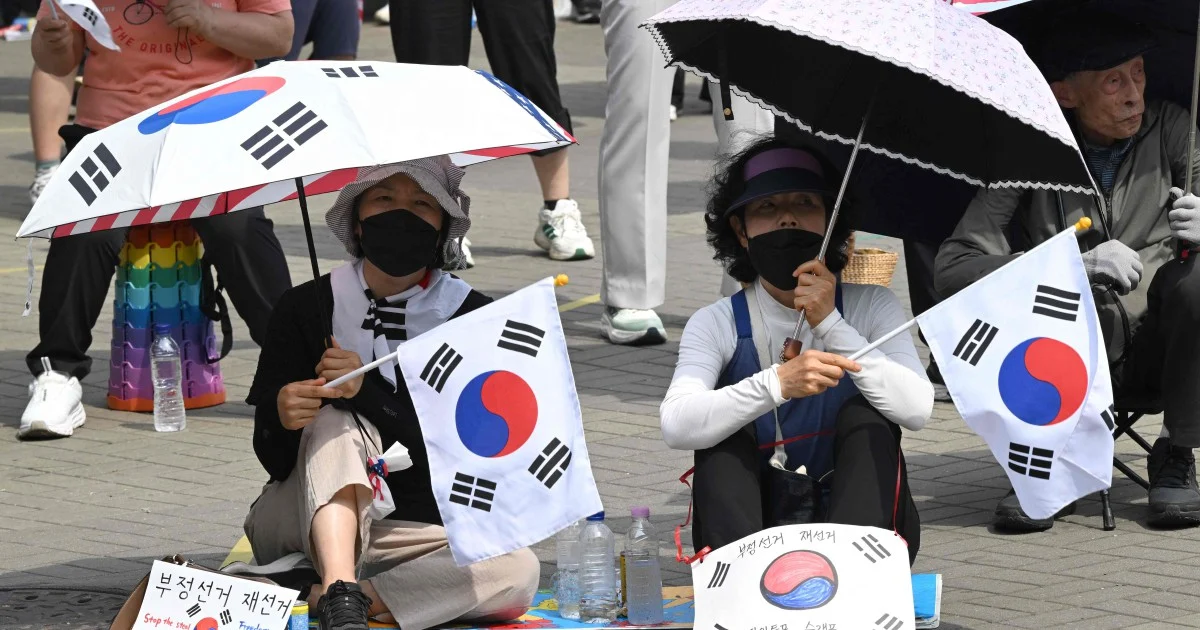
South Korea's National Assembly has initiated a formal 45-day parliamentary investigation targeting the National Election Commission, responding to widespread ballot shortages that complicated voting procedures during the nation's June 3 local elections. The inquiry, greenlit during Thursday's plenary session, represents a significant accountability measure following the administrative failures that hampered citizens' voting experience in what was meant to be a smooth electoral process.
The ballot shortage incident during the June 3 local elections exposed critical vulnerabilities in South Korea's electoral infrastructure and logistics planning. Voters in multiple constituencies encountered lengthy delays and confusion as election officials grappled with inadequate supplies of ballot papers, forcing some polling stations to implement workarounds that undermined the efficiency of the voting process. The incident raised questions about whether the National Election Commission had adequately assessed demand, allocated resources appropriately across regions, and maintained contingency protocols to handle unexpected surges in ballot requirements.
Parliamentary investigations of this nature carry considerable weight in South Korea's political system, serving as mechanisms to examine institutional competence and recommend systemic improvements. The 45-day timeframe permits lawmakers sufficient duration to conduct thorough questioning of election commission leadership, review documentation concerning ballot production and distribution logistics, interview election officials from various polling stations, and analyse the factors that precipitated the shortage. Such scrutiny often leads to procedural reforms and, in cases of substantive negligence, recommendations for personnel accountability.
The National Election Commission, established to safeguard electoral integrity and administer voting procedures nationwide, faces direct examination of its operational readiness and contingency planning. Election administrators must explain why production estimates fell short of actual demand, whether communication breakdowns between central and regional offices contributed to uneven ballot distribution, and what preventive measures the commission intends to implement before future electoral cycles. These inquiries typically reveal whether the shortages stemmed from human error, systemic resource miscalculation, or insufficient technological infrastructure for real-time ballot inventory management.
For Malaysian readers and Southeast Asian observers, South Korea's institutional response offers instructive lessons about democratic accountability mechanisms. Malaysia's own electoral processes, managed by the Election Commission, occasionally face similar logistical challenges, though they typically receive less formal parliamentary scrutiny. South Korea's approach—deploying a structured investigative process with defined timelines—demonstrates how legislatures can maintain institutional oversight without destabilising the overall electoral system or appearing to delegitimise the commission's fundamental operations. This balanced approach distinguishes between recognising the commission's essential role while holding it responsible for procedural failures.
The timing of the investigation also reflects broader patterns in Korean political culture, where public confidence in institutions hinges significantly on transparent accountability mechanisms. The parliamentary probe serves a legitimising function, reassuring voters that electoral failures trigger serious institutional responses rather than being dismissed as minor administrative hiccups. In an era when election integrity shapes democratic stability, visible parliamentary action strengthens public faith that electoral systems will be continuously monitored and improved.
Election commission officials will likely present evidence regarding ballot production capacity, distribution protocols, polling station communications, and staffing levels during voting hours. Lawmakers may scrutinise whether the commission possessed real-time data about ballot consumption rates, allowing officials to respond rapidly to emerging shortages, or whether inventory management relied on pre-election estimates lacking adaptive mechanisms. Questions regarding advance preparation, including whether the commission conducted ballot demand projections by constituency and whether production timelines accommodated unexpected surges, will prove central to understanding what went wrong.
The investigation may also examine whether external factors contributed to the shortage, such as unexpected voter turnout variations across regions, printing delays from contracted manufacturers, or distribution bottlenecks during the logistics phase. Understanding whether these were isolated incidents or symptomatic of chronic planning deficiencies will shape recommendations emerging from the parliamentary inquiry. If the shortages reflected broader system inadequacies, the investigation might recommend expanded ballot production capacity, technological upgrades for inventory tracking, or restructured communication protocols between central and regional election bodies.
Such electoral investigations carry precedential value for neighbouring democracies. South Korea's willingness to formally examine election commission failures demonstrates institutional maturity and commitment to continuous improvement in democratic processes. Malaysia, as a regional democracy managing elections across ethnically diverse constituencies and geographically dispersed populations, could benefit from examining how South Korea conducts such investigations, particularly regarding the balance between holding institutions accountable and preserving public confidence in electoral legitimacy.
The investigation's conclusions will likely influence South Korean electoral procedures for future municipal and national contests. Recommendations might include enhanced ballot inventory systems, expanded production quotas with safety margins, redundancy protocols ensuring backup ballot supplies at strategic distribution points, or improved real-time communication infrastructure between polling stations and election commission headquarters. The parliamentary process thus transforms an administrative failure into an opportunity for systemic strengthening.
Beyond immediate procedural reforms, the investigation signals that South Korea's elected representatives view electoral system reliability as a fundamental institutional priority deserving formal parliamentary attention. This approach contrasts with circumstances where electoral failures might be addressed through internal commission reviews or ministerial directives lacking public visibility. The plenary-approved inquiry ensures parliamentary involvement, media coverage, and public awareness of both failures and remedial measures undertaken.
The broader implication extends to regional democratic governance. Southeast Asian legislatures increasingly recognise that electoral credibility underpins democratic legitimacy, making formal oversight mechanisms essential for maintaining public confidence. South Korea's model—transparent parliamentary investigation, defined timelines, and focus on institutional improvement rather than punitive blame-assignment—offers a framework for how democracies can address electoral administration failures while strengthening rather than undermining electoral institutions' long-term viability and public trust.