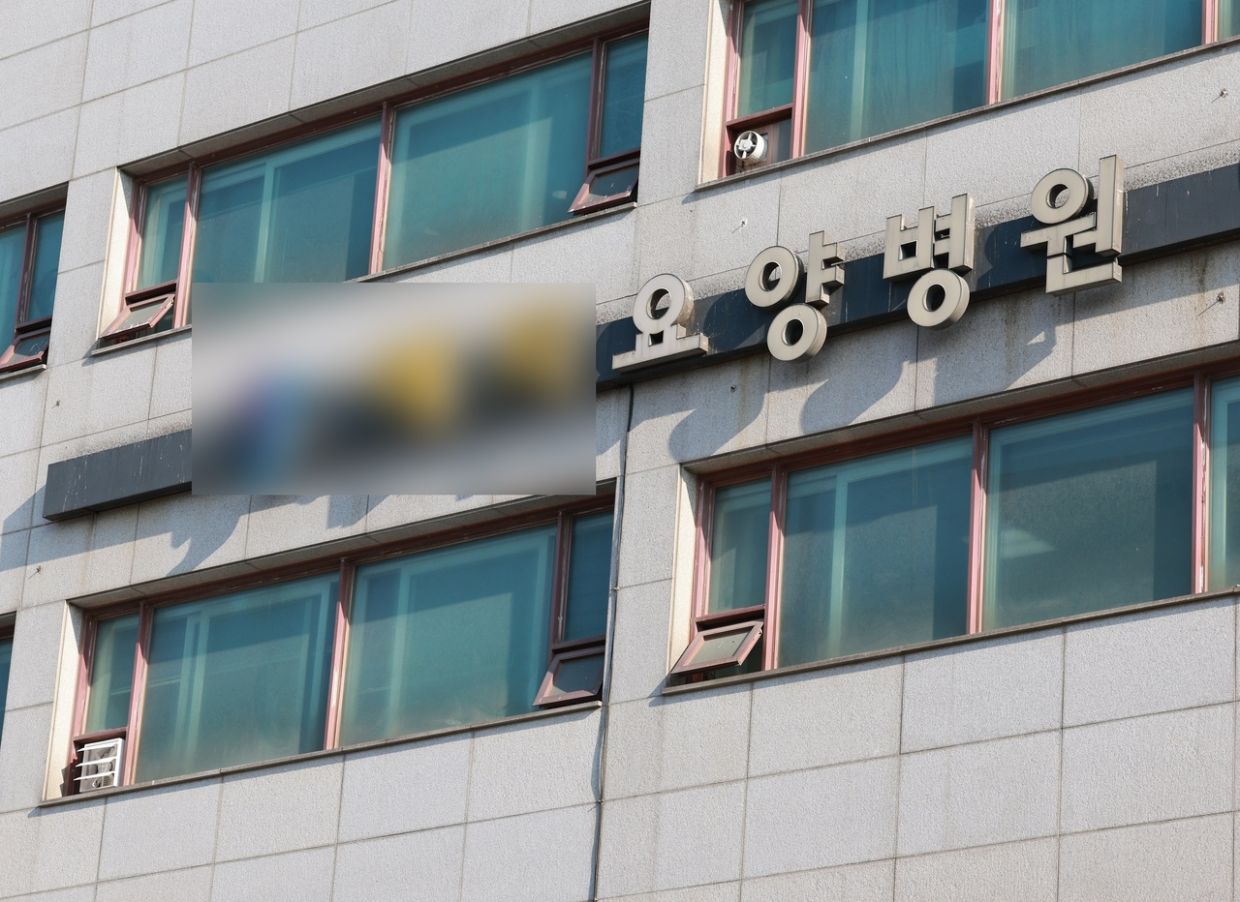
Police in Incheon, South Korea have concluded their initial inquiry into an unusual case involving a human leg found at a recycling facility, determining that the body part was inadvertently disposed of as waste by a local nursing hospital. The discovery, made on June 10 at the Southern Regional Resource Recovery Centre, set off alarm bells and prompted a comprehensive forensic investigation that has now revealed a breakdown in medical waste handling procedures rather than any criminal act.
Officials at Incheon Yeonsu Police Station disclosed that the leg originated from a female patient in her 80s who had undergone amputation at a hospital in Jung-gu, Incheon. The facility, a nursing home, had initially classified the severed limb as medical waste—the appropriate designation under South Korean law. However, the critical error occurred when a member of the cleaning and maintenance staff, aged in their 60s, mistakenly placed the leg into general waste containers. The worker apparently believed the body part came from a mannequin or medical training dummy, a misunderstanding that proved costly for the institution's compliance record.
The sequence of events that unfolded after the discovery underscores both the vulnerabilities in waste management systems and the effectiveness of modern forensic science. When the leg was recovered on the afternoon of June 10, police initiated a thorough investigation that included analysis by the National Forensic Service. Initial testing confirmed the limb belonged to an adult, prompting authorities to contact local medical facilities. Hospital officials at the Jung-gu location subsequently reported the missing body part, acknowledging that it had likely come from their facility during the amputation procedure.
DNA analysis conducted by the National Forensic Service provided definitive confirmation that the recovered leg matched the genetic profile of the elderly female patient. This scientific evidence eliminated any possibility of foul play or criminal mishandling and established with certainty the origin of the discovered body part. The confirmation allowed investigators to pivot their focus from criminal investigation to regulatory and administrative compliance matters.
While authorities have ruled out criminal wrongdoing, the incident has exposed serious procedural failures within the hospital's waste management operations. South Korea's Wastes Control Act contains explicit requirements mandating that all medical waste be disposed of separately using government-designated containers—a regulatory framework designed precisely to prevent such incidents. Police are now scrutinising whether the hospital adhered to these legal requirements when handling the amputated limb, and the institution now faces potential accountability for violating the statute.
The investigation has broadened beyond waste management violations to encompass questions about the hospital's basic medical credentials and capabilities. Allegations have emerged suggesting that the nursing facility in question may lack the necessary equipment and infrastructure to perform amputation procedures, raising concerns about whether the amputation was conducted appropriately or whether protocols were properly followed. Although police have not made definitive statements regarding these allegations, such questions are relevant to potential violations of the Medical Service Act, which governs hospital operations and medical procedures.
For Malaysian readers accustomed to Southeast Asian healthcare standards, this case illustrates the importance of rigorous waste management oversight in medical facilities across the region. Malaysia's own healthcare system operates under similar regulatory frameworks, and the incident serves as a cautionary reminder about the consequences when institutional procedures break down through human error or inadequate staff training. The potential for medical waste to enter general recycling streams poses both public health and environmental risks that transcend national borders.
The legal complexity surrounding the case extends beyond straightforward waste violation charges. Police officials have acknowledged uncertainty about whether the Medical Service Act contains specific criminal penalties applicable to this situation. Rather than proceeding unilaterally, investigators have committed to consulting with the Korean Medical Association, the Ministry of Health and Welfare, and legal specialists before reaching definitive conclusions about potential charges. This measured approach reflects the technical and jurisdictional complexities involved in medical law enforcement.
The family's circumstances, which emerged during the investigation, add a layer of human context to the administrative failure. The patient's relatives had arranged admission to the nursing hospital only after other medical facilities declined to accept her due to her rapidly deteriorating health condition. This detail suggests the elderly woman was in a vulnerable state with limited options for care, and the subsequent mishandling of the amputation outcome compounds concerns about the adequacy of services provided.
As investigators continue their work, the implications for institutional accountability remain significant. Even absent criminal charges, the hospital faces potential administrative sanctions and likely civil liability for the breach of waste management regulations. The incident highlights how lapses in basic procedural compliance—in this case, a worker misidentifying a body part and placing it in the wrong waste stream—can trigger extensive police investigations, forensic examinations, and regulatory scrutiny.
The case also underscores the importance of staff training and workplace supervision in medical environments. A cleaner's misunderstanding about medical waste classification, though superficially understandable, reflects inadequate institutional guidance and oversight of personnel handling sensitive materials. Healthcare facilities across Southeast Asia should recognise the lessons embedded in this incident: proper waste management is not a peripheral administrative matter but a core operational responsibility with legal, public health, and ethical dimensions.
Moving forward, the investigation's findings will likely inform policy discussions about medical waste handling protocols, institutional accountability mechanisms, and the need for clearer demarcation between medical and general waste in healthcare facilities. For the nursing hospital involved, the episode represents a significant reputational and legal challenge that will require addressing not only the immediate violation but also systemic improvements in operational oversight.

