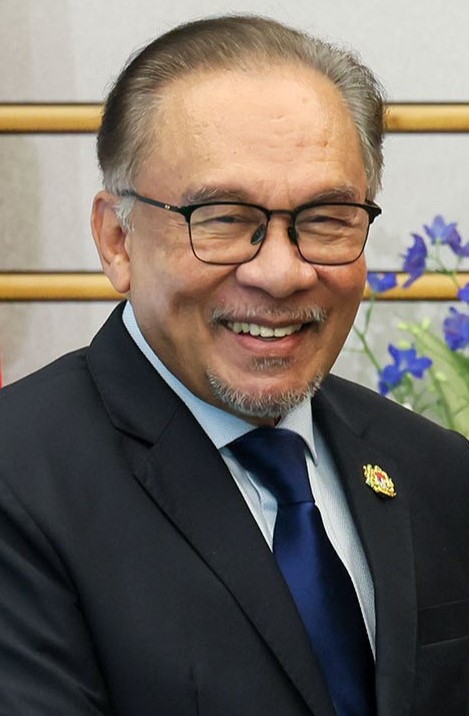
Diplomatic relations between Indonesia and Germany are entering a new phase as President Frank-Walter Steinmeier conducted an official visit to Jakarta on June 15, marking a significant moment in bilateral engagement. The visit extended well beyond the standard ceremonial meetings at the Merdeka Palace, signalling both nations' commitment to deepening strategic cooperation. This level of high-level engagement from Berlin reflects growing German interest in Indonesia's role as Southeast Asia's largest economy and a key player in regional geopolitical dynamics.
Meanwhile, natural disaster recovery efforts dominated news from Central Sulawesi after a magnitude-6.7 earthquake struck the Palu area on Tuesday. Governor Anwar Hafid immediately activated emergency response protocols to assist affected residents. The tremor underscores Indonesia's vulnerability to seismic activity and the ongoing challenges facing disaster management infrastructure across the archipelago.
In Laos, a milestone agreement between the government and Russia to develop nuclear energy for peaceful purposes represents a significant strategic pivot in the country's energy policy. The two nations plan to conduct a preliminary feasibility study examining how a nuclear power plant could be integrated into Laos' existing energy infrastructure. This initiative reflects broader moves by smaller Southeast Asian nations to diversify their energy portfolios beyond hydropower and fossil fuels, though such projects typically require substantial foreign investment and technical expertise.
Laos also benefited from development funding through the Mekong-Lancang Cooperation Special Fund 2026, securing over US$3.31 million for seven targeted projects. These funds will support areas critical to national development including human resource capacity-building, poverty reduction initiatives, agricultural modernisation, water resource management, and public health improvements. The Mekong-Lancang framework has become an increasingly important conduit for regional economic cooperation and development assistance in mainland Southeast Asia.
Myanmar and China focused on reopening border trade posts and streamlining trade management procedures in bilateral talks, recognising that efficient border operations remain essential for both economies. Chinese officials also committed to increasing technical support for Myanmar's agricultural quarantine standards, which represents progress toward facilitating smoother agricultural trade flows. Concurrently, Myanmar and Cambodia signed a tourism cooperation agreement at the Mekong Tourism Forum 2026 in Yangon, with the event's theme of "Tourism for People, Travel with Purpose" highlighting the region's emphasis on sustainable and community-based tourism development.
The Philippines asserted its maritime claims this week when the Department of Foreign Affairs stated that China's implementation of the United Nations High Seas Treaty would not diminish the Philippines' rights over the West Philippine Sea. This reassertion of national maritime interests occurred as President Ferdinand R. Marcos Jr. travelled to Kazan, Russia, to lead Philippine participation in the ASEAN-Russia Commemorative Summit and conduct bilateral meetings with Russian President Vladimir Putin. These discussions prioritised energy security and food security—two issues of paramount concern to Manila given the nation's vulnerability to supply disruptions and its need for sustainable long-term development.
Singapore's economy demonstrated robust momentum with non-oil domestic exports rising 38.4 percent in May compared to the previous year, extending April's already impressive 24.4 percent growth. This surge reflects the island state's continued dominance in AI-led electronics manufacturing and its position as a global technology hub. The sustained export performance indicates that regional demand for Singapore's high-value manufactured goods remains exceptionally strong, supporting employment and government revenues.
Singapore's government also allocated an additional S$115 million for research and development aimed at solving the city-state's most pressing urban challenges. This investment will examine solutions to optimise spatial planning, improve infrastructure efficiency, and enhance quality of life for residents—areas where Singapore faces mounting pressure from population density and rapid urban transformation. Such forward-looking R&D spending reflects Singapore's strategic approach to maintaining its competitive advantage through innovation.
Thailand's Cabinet approved adoption of the OECD-led 15 percent global minimum corporate tax on large multinational companies, positioning the kingdom at the forefront of international tax reform efforts. The measure aims to curtail profit-shifting strategies that erode national tax bases and is projected to generate approximately 10 billion baht in additional annual revenue for Thai state coffers. This fiscal initiative reflects Bangkok's determination to ensure multinational enterprises contribute fairly to the country's development.
Health challenges in Thailand are also garnering attention following release of the Thai Health Report 2026, which revealed that Thai citizens can expect to spend an average of 6.9 years living with chronic illness or disability during their later years. This sobering statistic underscores mounting pressure on Thailand's healthcare infrastructure and long-term care systems as the nation's population ages. The finding has significant implications for healthcare policy, pension systems, and social welfare planning across the kingdom.
Vietnam is pursuing ambitious aviation sector expansion, with plans to establish seven new airports by 2030 as part of its broader infrastructure development strategy. The new facilities are expected to increase annual passenger capacity to 220 million, accommodating projected growth in domestic and international air travel. This expansion reflects Vietnam's recognition that aviation infrastructure represents a critical bottleneck to sustained economic growth and regional integration, particularly as middle-class travel demand continues to accelerate throughout Southeast Asia.