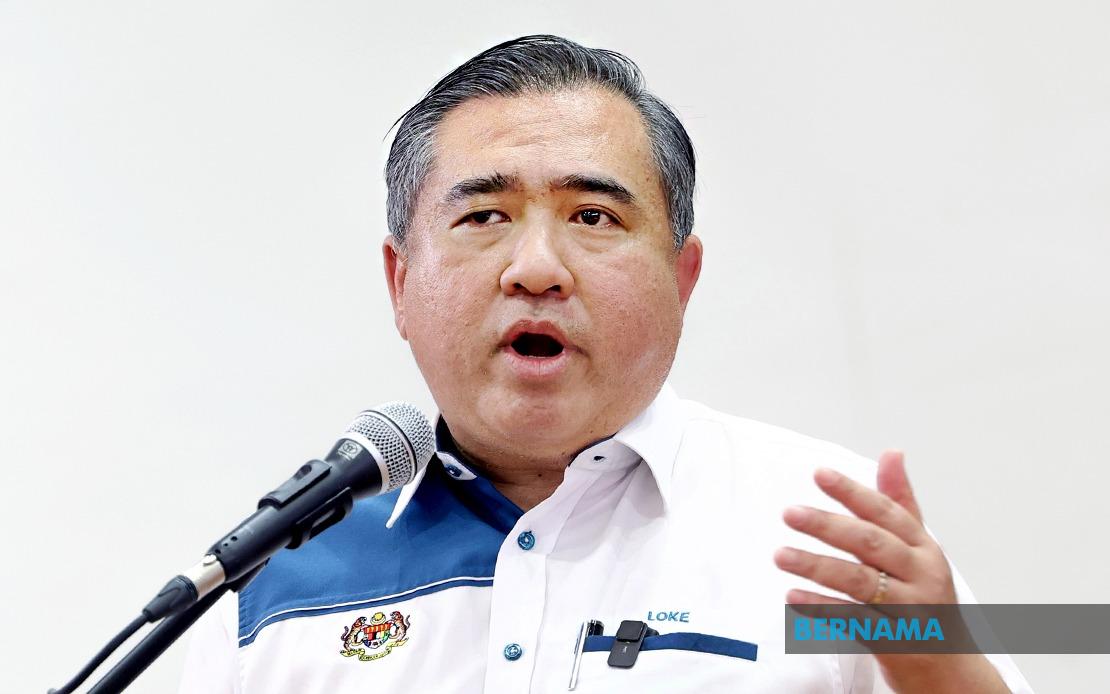
Transport Minister Anthony Loke has defended the deployment of diesel-powered trains on the Southern Shuttle service, characterising it as a pragmatic interim solution while the transport sector awaits delivery of modernised Electric Multiple Unit (EMU) rolling stock. Faced with a choice between maintaining service continuity or subjecting commuters in Johor to extended delays, the ministry opted to bring existing diesel trains into operation rather than pause the service entirely. This approach reflects broader government strategy to expand rail infrastructure access across the nation while managing the technical complexities of fleet replacement cycles.
The decision carries particular weight given the three-year manufacturing timeline for the 10 new EMU train sets currently on order. Loke emphasised that waiting for this extended period would have left residents without adequate transport options, effectively perpetuating a service gap in an economically significant region. By deploying available diesel capacity immediately, the ministry balances the imperative for quick public delivery against longer-term modernisation ambitions. The announcement came as the government continues grappling with infrastructure pressures across multiple transport corridors, where demand frequently outpaces the ability to deploy cutting-edge equipment.
The Southern Shuttle network itself represents an expansion of Johor's public transport infrastructure, now linking three strategic nodes: Kulai, JB Sentral, and Pasir Gudang. Journey times demonstrate the service's utility for regional connectivity—approximately 40 minutes between Kulai and JB Sentral, and 40 to 45 minutes on the Kempas Baru-Pasir Gudang segment. This latter route carries particular significance as it previously operated exclusively for freight services before being reconfigured to accommodate passenger traffic. The conversion signals the government's determination to maximise asset utilisation and generate additional revenue streams from existing rail infrastructure.
Financial commitment to the service underscores its strategic importance within the broader public transport ecosystem. The Transport Ministry has committed annual subsidies ranging from RM11 million to RM15 million, resources designed to keep fares accessible while enabling expanded operations. This injection of public capital reflects recognition that rail services, particularly in secondary cities and regional corridors, often require ongoing support to maintain financial viability. The subsidy structure represents a calculated investment in reducing dependency on private vehicle usage and alleviating congestion pressures on major routes connecting Johor's population centres.
Criticism regarding fare levels, however, highlights tensions between service improvement and affordability perceptions. Observers have noted that Southern Shuttle fares run approximately three times higher than comparable rail services in Kuala Lumpur and Seremban. This disparity likely reflects differences in operational costs, service frequency, and subsidy levels across these distinct corridors. For Johor commuters already shouldering transportation expenses, the premium pricing may create resistance even as service quality improves. Understanding these cost dynamics becomes crucial as the ministry contemplates future fare structures once modern EMU services replace the current diesel operation.
The transition pathway depends significantly on the Gemas-Johor Bahru electrified double-tracking project. Upon completion, this infrastructure upgrade will enable the deployment of Electric Train Service (ETS) along the route, effectively retiring the temporary diesel operation. The project thus represents a gateway to full modernisation rather than merely an engineering objective. Until the Gemas-Johor Bahru corridor becomes operational, however, diesel trains will continue servicing Southern Shuttle passengers. This sequencing creates a defined endpoint for the interim arrangement while establishing clear infrastructure prerequisites for the next service evolution.
The decision also reflects pragmatic choices increasingly visible in Southeast Asian transport planning, where aspirations for comprehensive electrification collide with manufacturing timelines and capital availability. Rather than maintaining service suspension during extended procurement and commissioning periods, transport authorities increasingly prefer interim solutions that keep passengers engaged while infrastructure develops. Malaysia's approach aligns with regional trends, though execution quality and stakeholder perception remain critical factors determining long-term public support.
For Malaysian commuters, the Southern Shuttle deployment offers tangible access to an expanded regional network while industrial capacity gradually catches up with demand. The three-year waiting period for new EMU trains, though lengthy, reflects manufacturing realities affecting not only Malaysia but transport operators across Asia. The government's strategy of bridging this interval with existing diesel capacity, despite environmental and cost considerations, prioritises accessibility. Once new trains arrive and electrification proceeds, Johor's transport profile will shift meaningfully toward cleaner, more efficient operations aligned with national sustainability objectives.
Stakeholder reactions will likely remain mixed, particularly given fare comparisons with other corridors and environmental concerns surrounding diesel operations. However, the availability of affordable fares through continued subsidy support, combined with demonstrated journey time efficiencies, may gradually build passenger acceptance. The ministry's transparent communication about the temporary nature of diesel operations and the committed timeline for electrification transition helps establish credibility that this arrangement represents a defined interim phase rather than a permanent compromise. As Southern Shuttle establishes ridership patterns and usage data accumulates, the department will gain valuable insights for optimising future electric operations and determining appropriate subsidy levels post-transition.

