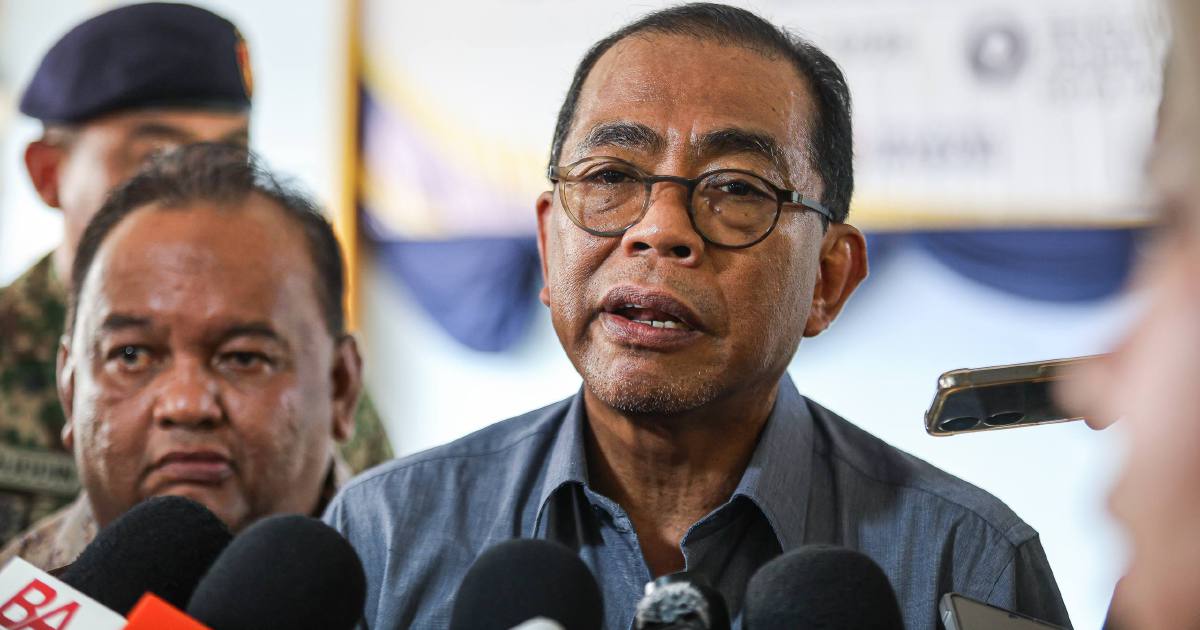
Opposition leader Khaled has intensified pressure on authorities to accelerate their investigation into a recent grenade mishap at Hobart Camp, signalling growing political scrutiny over military safety protocols. The incident, which occurred at the training facility, has prompted questions about operational procedures and oversight mechanisms within the armed forces establishment.
Khaled's intervention represents a significant political response to what appears to be a serious safety breach during routine military activities. By calling for expedition of the inquiry, the opposition figure has highlighted concerns that standard investigative timelines may be inadequate when addressing incidents involving explosives and potential loss of life or injury. His demand underscores the broader expectation that military facilities maintain the highest safety standards given their access to dangerous munitions and the presence of personnel in vulnerable situations.
The Hobart Camp incident falls within a broader context of military training operations in Malaysia, where numerous facilities conduct regular exercises and weapons handling drills. These operations are integral to maintaining readiness and proficiency among servicemembers, yet they inherently involve risks that must be managed through rigorous safety protocols, proper equipment maintenance, and comprehensive training. Any deviation from established procedures or equipment failure can rapidly escalate into a dangerous situation.
The nature of grenade training and handling demands particular vigilance, as even minor errors in procedure or equipment malfunction can result in catastrophic consequences. Military authorities typically conduct thorough investigations into such incidents to identify root causes, whether human error, inadequate training, faulty equipment, or systemic oversights in supervision. Understanding precisely what went wrong is essential not only for accountability but for preventing recurrence.
Khaled's public statement appears designed to maintain political momentum around this issue while also reflecting genuine constituent concern about military safety standards. In Malaysia's parliamentary environment, opposition voices frequently challenge government institutions to improve transparency and efficiency, particularly in security matters where public access to information is naturally restricted. By vocally demanding expedition, opposition leaders can signal responsiveness to public concern without necessarily demanding disclosure of sensitive operational details.
The Defence Ministry and armed forces would typically coordinate investigations into such incidents through established protocols that balance thoroughness with urgency. However, external political pressure—whether from opposition parties, civil society, or concerned citizens—can serve as a catalyst for ensuring investigations receive adequate resources and attention. The public visibility of Khaled's demand likely ensures that responsible agencies remain focused on delivering timely findings.
From a regional perspective, military safety incidents attract scrutiny across Southeast Asia, where defence establishments are increasingly conscious of public confidence and operational legitimacy. Neighbouring countries with comparably equipped armed forces face similar challenges in managing training risks while maintaining public trust. How Malaysia's authorities respond to this incident and the accompanying political demands could influence perceptions of institutional competence and transparency throughout the region.
The broader implications extend to defence procurement and equipment reliability, as investigations often reveal whether incidents stem from personnel issues, maintenance lapses, or inadequate equipment specifications. These findings inform future procurement decisions and may necessitate equipment upgrades, additional training protocols, or revised operational procedures. Investment in safety improvements frequently requires budgetary allocations that defence ministries must justify to civilian oversight bodies.
Public and political attention to military safety incidents also reinforces the principle that armed forces, despite their specialised functions, operate within civilian democratic frameworks and remain subject to public accountability. While operational security requires restricting certain investigation details, the overall process and findings should demonstrate that authorities take safety seriously and implement meaningful corrective measures.
Khaled's intervention suggests that the investigation's timeline and findings will likely receive continued parliamentary scrutiny, with potential follow-up questions in the Dewan Rakyat or parliamentary committees. This oversight function, while sometimes burdensome for military administrators, serves an important democratic purpose in ensuring that institutions prioritise personnel safety and public trust alongside operational requirements.
The resolution of this incident will likely establish benchmarks for how subsequent military safety matters are handled, influencing both internal protocols and external communication strategies. Expedited investigations that maintain rigorous standards can demonstrate institutional responsiveness while preserving investigative integrity, ultimately strengthening public confidence in Malaysia's armed forces and their commitment to protecting both national security and personnel welfare.

