The South Korean police force has intensified its investigation into what has become one of the retail sector's most damaging public relations disasters in recent memory. Officers questioned Yang Jong-hwan, who heads Shinsegae Group's audit team, as a witness in connection with a promotional campaign by Starbucks Korea that triggered widespread anger and political condemnation. The interrogation represents an escalation in official scrutiny of how a major multinational brand's local operator managed to launch a campaign so deeply offensive to national historical sensibilities.
Starbucks Korea operates over 2,000 outlets across the country through a licensing arrangement with the Shinsegae Group, making it a dominant player in South Korea's thriving coffee culture. However, the brand's reputation has suffered significant damage following the bungled "Tank Day" promotion, which was designed to encourage customers to purchase and use reusable cups. The campaign mechanics themselves were entirely unremarkable, but the timing proved catastrophic. The company selected May 18 for this initiative, a date that holds profound historical weight for South Koreans and carries considerable emotional resonance internationally among those familiar with modern history.
May 18 marks the anniversary of the Gwangju uprising, a pivotal moment when South Korean military forces brutally suppressed pro-democracy demonstrations in the city of Gwangju. Official records acknowledge that 165 civilians lost their lives during this 1980 crackdown, though historians and eyewitnesses have long contended that the true death toll was substantially higher. The uprising represented a defining moment in South Korea's struggle toward democracy and remains commemorated annually with solemnity and reflection. For many Koreans, particularly those from Gwangju and their descendants, the date carries the weight of national trauma.
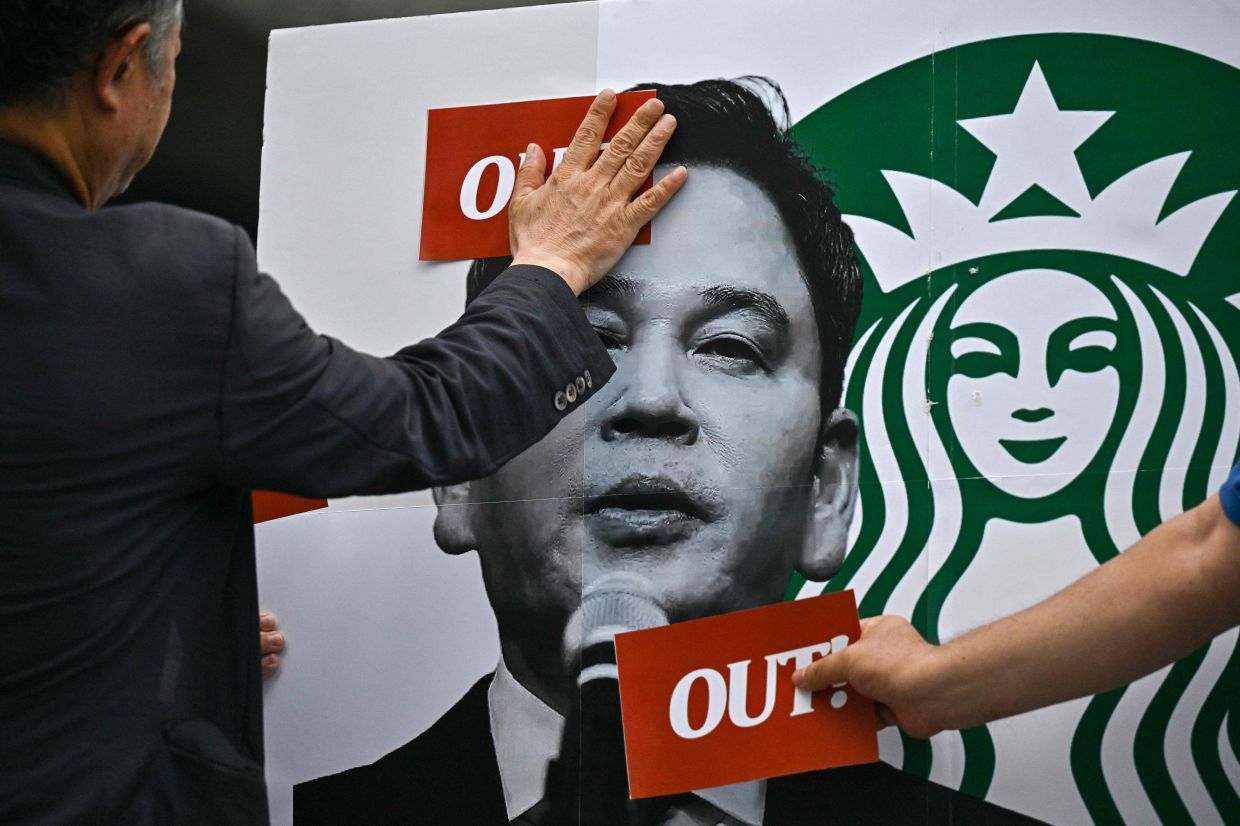
The connection between the campaign name and the historical tragedy compounded the damage. The term "Tank Day" evokes the military hardware that was deployed against civilians during the crackdown, making the branding choice appear not merely tone-deaf but actively insulting to the memory of those who died. Within days of the campaign's launch, social media erupted with expressions of anger and betrayal. Civic organisations mobilised quickly, and the incident sparked visible protests in Seoul and the city of Gwangju itself, where the historical events had unfolded.
Shinsegae's leadership responded swiftly but the moves appeared insufficient to contain the reputational damage. The group dismissed its Korea chief executive on the very day the scandal became public, a dramatic gesture intended to signal accountability and organisational reform. Subsequently, Shinsegae Group's chairman Chung Yong-jin made a formal public apology, bowing in the traditional manner that carries significant cultural weight in Korean society. These actions reflected the severity with which the company's top management viewed the crisis and their recognition that the incident had touched a raw nerve in Korean society.
However, the company's internal response did not satisfy civic groups and community organisations invested in historical memory. A civic coalition proceeded to file a formal complaint against Chairman Chung and other senior executives, invoking South Korea's 2016 law designed to protect the integrity of historical narratives surrounding the 1980 pro-democracy movement. This legislation explicitly prohibits the dissemination of false or misleading information about the crackdown, representing the state's commitment to safeguarding the historical record from distortion. The complaint also alleged defamation and insult, suggesting that the promotional campaign constituted a deliberate affront to those affected by the uprising.
The legal framework invoked by complainants reflects South Korea's particular approach to managing historically sensitive matters. The nation has established explicit legal protections for certain historical narratives, particularly those relating to democracy and national sovereignty. This distinguishes South Korea's approach from some Western democracies that rely more heavily on general defamation law or rely on the free speech marketplace. The involvement of this specific statute signals that Korean society and its legal institutions regard the incident as more than a marketing misstep—it suggests potential harm to collective historical consciousness.
Investigators have maintained relative silence about the scope and direction of their inquiry, declining to provide detailed commentary on the investigation's progress or objectives. The police questioning of Yang Jong-hwan occurred on June 17, and Shinsegae acknowledged this development to international media on June 18. A company spokesperson stressed that Shinsegae would cooperate fully with authorities and expressed hope that facts would be "clarified swiftly and transparently." This language suggests the company views the investigation as an opportunity to demonstrate institutional compliance and responsibility rather than an adversarial proceeding.
The company subsequently undertook a detailed internal review to identify how such a serious oversight could occur within its organisational structure. Shinsegae identified a series of negligent procedures that contributed to the campaign's launch, including officials approving the marketing materials and design files without conducting adequate review or historical sensitivity checks. This finding reveals gaps in the company's vetting processes and suggests that no individual or team was assigned clear responsibility for considering historical and political dimensions of major campaigns. The discovery prompted organisational changes designed to prevent similar lapses.
Responding to the crisis, Starbucks and Shinsegae announced that all Korean stores would close for half a day on the following Monday to allow staff members to attend educational sessions about the 1980 crackdown and its historical significance. This initiative represented an attempt to transform a negative incident into an opportunity for workforce education and cultural awareness. More significantly, Chairman Chung Yong-jin and other senior executives committed to attending similar educational sessions themselves, signalling that accountability extended to the organisation's highest levels and that leadership recognised their own knowledge gaps.
The incident carries broader implications for international brands operating across Asia. South Korea remains the third-largest market globally for Starbucks, after the United States and China, making it strategically vital to the company's global operations. The early impact on sales proved substantial, with the operator reporting a "sharp decline" in revenue during the immediate aftermath of the scandal. Consumer boycott movements emerged, and some customers explicitly avoided the brand in solidarity with those affected by the historical tragedy.
President Lee Jae Myung entered the public discourse surrounding the incident, expressing his outrage at what he characterised as "inhumane and disgraceful conduct." Presidential commentary on a corporate misstep underscores how deeply the incident resonated across South Korean political and social landscapes. The involvement of the nation's chief executive demonstrates that the scandal transcended ordinary business news and entered the realm of national historical memory and values.
For multinational corporations operating across East Asia, the Starbucks Korea situation offers a cautionary lesson about the necessity of culturally contextualised decision-making and the importance of understanding local historical sensitivities. Markets like South Korea, where historical memory intersects with contemporary politics and law, require operational teams with sophisticated understanding of the societies they serve. The incident suggests that international corporations cannot simply apply standardised global marketing calendars and campaign concepts without adaptation to local contexts and historical consciousness.