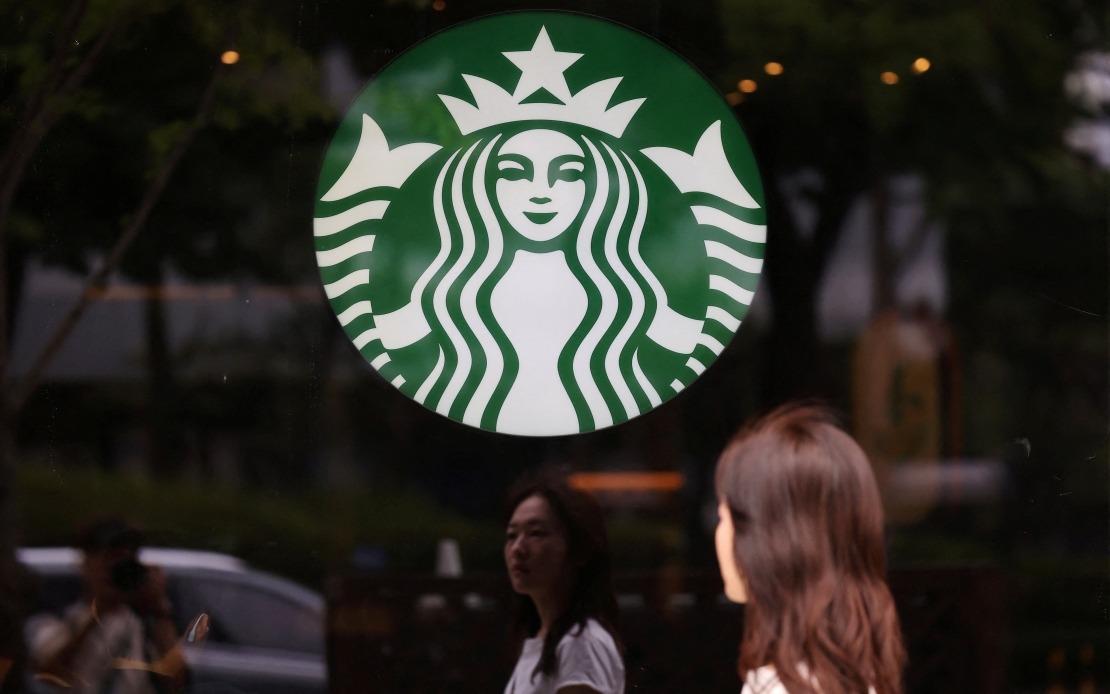
Starbucks took the unprecedented step of closing its entire South Korean operations on Monday afternoon to conduct mandatory historical training for staff, a dramatic response to a public relations fiasco that has triggered widespread anger and calls for consumer boycotts. The temporary shutdown affected more than 2,000 cafés across the country, underscoring the severity with which the American coffee chain and its Korean franchise operator Shinsegae have treated what became a defining moment of corporate insensitivity in recent memory.
The crisis originated from a promotional campaign launched by Shinsegae last month centred on a stainless steel thermos product bearing the name "SS Tank". The company designated May 18 as "Tank Day", apparently intending to capitalise on the product's robust design and metallic appeal. However, the choice of date proved catastrophically tone-deaf in the South Korean context, where May 18 holds profound historical significance that cuts to the core of national identity and democratic struggle.
The date corresponds to the Gwangju Uprising of 1980, one of the most traumatic events in modern Korean history. During this period, the South Korean military government deployed tanks and armed forces to violently suppress a civilian pro-democracy movement in the city of Gwangju, resulting in the deaths of several hundred people and countless injuries. Survivors and their families have spent decades seeking justice and national recognition for their suffering, making May 18 a solemn remembrance day rather than a commercial opportunity.
When South Korean consumers connected the marketing campaign to this historical atrocity, the public response was swift and unforgiving. Social media erupted with expressions of outrage and calls for boycotts, with citizens criticising what they perceived as either gross negligence or deliberate disrespect toward those who died fighting for democratic freedoms. The campaign became a symbol of corporate callousness, raising broader questions about the responsibilities of multinational companies operating in markets with sensitive historical contexts.
Interestingly, the controversy also highlighted the problematic nature of the "SS" abbreviation itself. While Shinsegae insisted that the letters merely represented "stainless steel", the initials carry deeply unsettling connotations in global historical consciousness, being synonymous with Adolf Hitler's paramilitary death squads. Though this dimension appeared to play a secondary role in triggering public backlash compared to the May 18 reference, the convergence of multiple red flags amplified perceptions of insensitivity and poor corporate judgment.
The political establishment weighed in on the controversy with considerable force. Opposition leader Lee Jae Myung expressed his fury through social media, declaring himself appalled by what he characterised as inhumane behaviour by business executives. His intervention underscored how the incident had transcended typical customer service complaints to become a matter touching on national values and political accountability. The opposition's willingness to address the issue publicly signalled that the matter resonated across ideological and generational lines in South Korean society.
Shinsegae moved quickly to contain the damage, halting the campaign within hours of the backlash gaining momentum. The company subsequently issued a formal apology and took the significant step of dismissing the executive deemed responsible for the initiative. Following an internal investigation, Shinsegae attempted to rehabilitate its image by asserting that the campaign contained no intention to defame or dishonour those who lost their lives in the democracy movement. These measures represented an acknowledgment of the severity of the misstep.
The decision by Starbucks to close all South Korean outlets for compulsory historical training represented an escalation beyond typical crisis management. By requiring staff members to undergo education about May 18 and its significance, the company signalled not merely corporate contrition but a commitment to ensuring that such lapses would not recur. The training was framed as mandatory, suggesting that understanding historical context was now viewed as essential professional competency rather than optional cultural knowledge.
South Korean police have initiated their own investigation into the background and circumstances surrounding the campaign, potentially indicating that authorities view the matter as extending beyond simple commercial misjudgement. This official scrutiny adds another layer of accountability and may lead to regulatory or legal consequences depending on investigative findings. For multinational corporations operating across Asia, the incident serves as a cautionary reminder that regional markets carry historical sensitivities that cannot be overlooked in favour of standardised global marketing templates.
The Starbucks-Shinsegae incident carries implications for how international brands navigate operations in Southeast Asia and the broader region. Malaysia, like other nations in the area, has periods of historical significance—such as memorials related to specific dates and events—where commercial insensitivity could provoke similar public outcry. The Korean precedent demonstrates that consumers increasingly expect corporations to demonstrate respect for local historical narratives and will mobilise economic power to enforce such expectations through boycotts and social media campaigns.
For Shinsegae and Starbucks, the reputational damage extends beyond the immediate period of closure and apologies. Rebuilding consumer trust in a market where historical memory runs deep requires sustained commitment to demonstrating cultural awareness and respect. The mandatory training, while symbolically important, must be supported by systemic changes to ensure that decision-making processes incorporate checks for historical sensitivity at multiple levels of organisational hierarchy.

