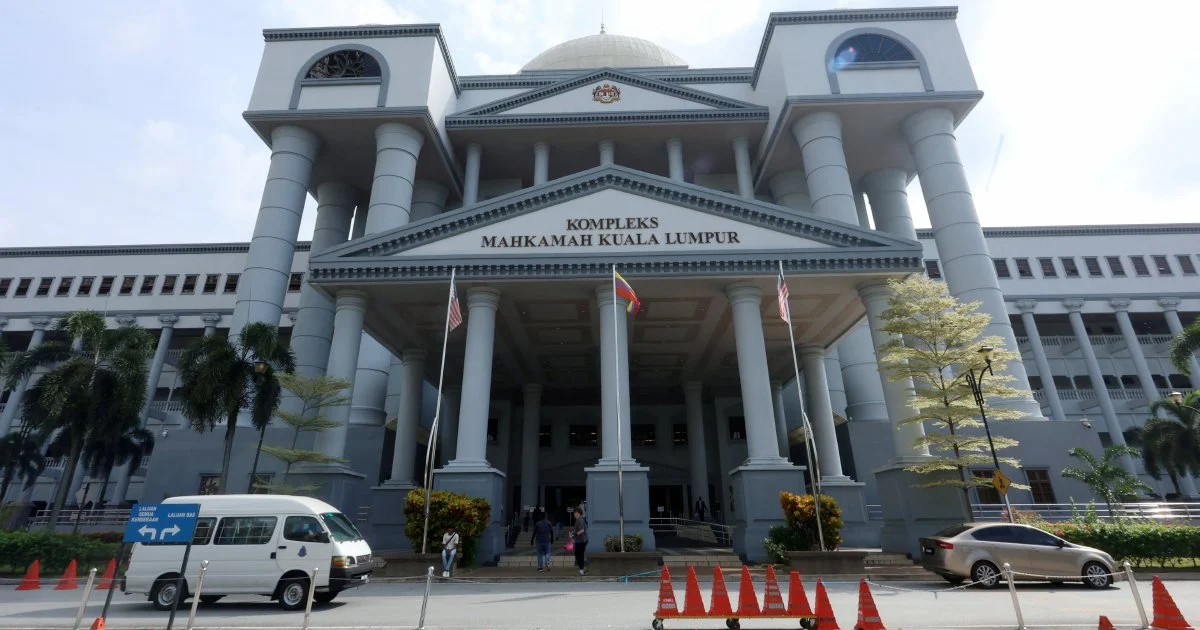
A high-ranking executive overseeing operations at a government-linked statutory body is scheduled to appear in Sessions Court to answer seven corruption charges centring on the alleged acceptance of bribes surpassing RM1 million. The charges relate to a pattern of soliciting and receiving improper payments in connection with sports facility development initiatives, marking another significant corruption case in Malaysia's ongoing anti-graft enforcement landscape.
The case represents a notable escalation in the Malaysian Anti-Corruption Commission's (MACC) enforcement activities targeting senior management figures within public institutions. Statutory bodies—which operate as semi-autonomous entities with government backing but are expected to maintain strict governance standards—have increasingly come under scrutiny as authorities intensify their focus on preventing institutional graft. The charges suggest potential misuse of official position and breach of public trust in managing substantial sums allocated for infrastructure and sports development.
Sports facility projects have emerged as particularly vulnerable areas for corruption in Southeast Asia, given the substantial capital expenditures involved and the complexity of procurement processes. These initiatives frequently require competitive tendering, contractor negotiations, and oversight mechanisms that, when compromised, can result in inflated costs, substandard construction, and wastage of public resources. The alleged bribery scheme in this case appears to have involved leveraging the executive's authority over facility development decisions to extract financial benefits from interested parties.
The RM1 million threshold identified in the charges underscore the scale of alleged misconduct. Bribes of this magnitude typically indicate involvement across multiple transactions or projects rather than isolated incidents of corruption. Such patterns suggest systemic vulnerabilities within the statutory body's internal controls and oversight mechanisms. The breadth of the charges—spanning seven separate counts—implies that investigators uncovered evidence of repeated and potentially escalating corrupt conduct over an extended period.
For Malaysian readers and observers of governance standards, this development carries implications beyond the individual case. It highlights the persistent challenge of maintaining integrity within public institutions and the resource-intensive nature of detecting and prosecuting white-collar corruption. The MACC's ability to investigate, build cases, and prosecute senior figures demonstrates the commission's operational capacity, though critics continue to debate whether such enforcement is sufficiently widespread to deter systemic misconduct across government and quasi-government sectors.
The involvement of a sports facility procurement context is particularly relevant given Malaysia's substantial public investment in sporting infrastructure. Major projects, whether for national sports complexes, regional training facilities, or community sports centres, represent significant taxpayer commitments. Any breakdown in governance during these projects diverts resources away from their intended purpose and potentially compromises the quality of facilities intended to support athletic development and public recreational needs across the country.
Statutory bodies occupy a distinctive position within Malaysia's institutional landscape, operating with relative autonomy in their specific sectoral mandates while remaining ultimately accountable to government oversight. The expectations placed upon their chief executives encompass not merely operational efficiency but also exemplary adherence to ethical standards and financial probity. An executive's alleged willingness to exploit this position for personal financial gain undermines public confidence in the entire institutional framework and raises questions about the effectiveness of governance structures and audit mechanisms that should prevent such behaviour.
The charges will be examined within the Sessions Court framework, which handles such criminal corruption cases. The prosecution's task will involve demonstrating, beyond reasonable doubt, that the executive knowingly solicited or accepted the alleged bribes in relation to official functions. The defence may contest the characterisation of payments, question the sufficiency of evidence linking the executive to specific transactions, or dispute the intent elements required under corruption statutes. The outcome of these proceedings will have bearing both on the individual's career and reputation and on public perceptions regarding the effectiveness of Malaysia's anti-corruption apparatus.
Previous high-profile corruption cases involving statutory body officials have attracted significant media attention and public commentary, reflecting widespread concern about institutional integrity. The current case follows that trajectory, focusing renewed attention on governance vulnerabilities and the adequacy of preventative measures. Reform advocates have previously called for strengthened internal audit functions, clearer conflict-of-interest protocols, and more robust whistleblower protection mechanisms within such bodies to reduce opportunities for misconduct.
The timing of the prosecution also warrants consideration within Malaysia's broader context of governance and anti-corruption efforts. As authorities continue prioritising investigation and prosecution of large-scale graft cases, the message conveyed to public sector leadership is that rank and position offer limited protection once corruption allegations reach prosecutorial stage. Simultaneously, observers note that prosecutions, while important symbolically and legally, address symptoms rather than underlying institutional weaknesses that enable misconduct to occur and persist undetected.
For stakeholders in sports development and facility management across Malaysia and Southeast Asia, this case underscores the importance of transparent procurement processes, independent oversight, and clear separation between decision-making authority and financial benefit. International experience demonstrates that corruption in infrastructure and facilities development, once embedded, proves difficult to excise and damages both public finances and public facilities.
As the Sessions Court proceedings unfold, the case will illuminate both the specific circumstances of the alleged misconduct and broader questions about institutional governance in Malaysia's public sector. Whether the courts determine guilt or innocence, the case's trajectory will inform ongoing debates about statutory body accountability and the adequacy of existing safeguards against institutional corruption.