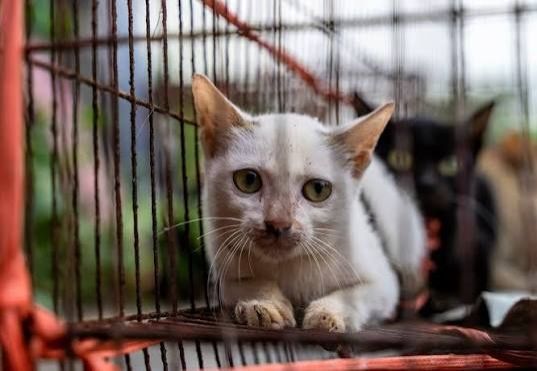
Vietnamese law enforcement has cracked down on an organised cat-theft syndicate operating across southern Vietnam, resulting in the recovery of hundreds of animals and the reunion of more than 40 felines with their owners. The operation, which unfolded across multiple locations in Ho Chi Minh City, culminated in nine arrests and sparked fresh discussions about animal protection regulations in a country where feline and canine consumption remains legal despite growing international concern.
The Ho Chi Minh City police official newspaper confirmed that authorities seized more than 400 live cats and 80 preserved carcasses during raids last week. An additional 21 animals were recovered from a separate facility, bringing the total number of rescued pets to over 500. The scale of the operation underscores the extent of the trafficking problem affecting pet owners in Vietnam's largest city, where theft of companion animals has become increasingly prevalent.
Investigations revealed that the criminal group had been systematically stealing and collecting cats over a three-year period, using methods including luring and trapping animals throughout southern Vietnam. The suspects, now in custody, confessed to their involvement in the theft operation and provided authorities with details about their distribution networks. Police initiated their investigation in response to complaints from Ho Chi Minh City residents about the alarming frequency of pet disappearances.
While cat and dog meat consumption is technically legal in Vietnam, vendors operating in the sector face regulatory requirements that are often poorly enforced. Restaurants throughout the country openly market feline and canine dishes, yet authorities mandate that sellers provide certificates verifying the legitimate origin of animals. The arrested individuals appeared to have operated without such documentation, sourcing their supply through theft rather than through lawful channels, making their actions illegal under existing regulations.
Animal welfare advocates have praised the police intervention, noting its significance for both recovered pets and the broader cause of animal protection. Humane World for Animals highlighted the operation as an example of decisive law enforcement action, though the organisation's statement revealed a sobering aftermath. Approximately 100 of the rescued cats subsequently died from the trauma and conditions they experienced during captivity, illustrating the physical and psychological toll of trafficking on the animals.
For Malaysian readers, this case highlights a persistent regional issue that extends beyond Vietnam's borders. Cat theft networks have been documented in Malaysia, Thailand, and other Southeast Asian nations, often targeting animals for illegal sale or meat trade purposes. The Vietnamese operation's three-year existence without detection until recently suggests similar rings may be operating undetected across the region, warranting heightened awareness among pet owners and stronger cross-border cooperation between authorities.
The challenges facing animal rescue efforts in Vietnam extend beyond the initial operation. Karanvir Kukreja, representing the animal welfare organisation, expressed concern about the welfare of cats still held at police stations as evidence in the prosecution of the suspects. The remaining animals face prolonged confinement in what may be inadequate conditions, prompting the organisation to provide emergency assistance including food supplies and cooling equipment to prevent heat-related deaths during Vietnam's humid summer months.
This incident reflects broader tensions in Southeast Asia between traditional culinary practices and modernising attitudes toward animal welfare. While dog and cat meat consumption has declined significantly in urban centres, demand persists in some communities, creating economic incentives for criminal networks to source animals. The Vietnamese government's documented commitment to investigating this particular case may signal shifting priorities, though enforcement gaps remain evident in the ease with which the criminal group operated for years.
The successful reunion of over 40 cats with their owners represents a rare positive outcome in the often grim landscape of animal trafficking. However, the broader statistics reveal the operation's scale and the limited capacity of existing systems to prevent such crimes. For regional authorities including those in Malaysia, the case underscores the need for comprehensive legislation addressing animal trafficking specifically, rather than relying solely on consumer protection regulations designed for legitimate meat sales.
The incident also raises questions about online platforms and informal market channels that may facilitate the sale of stolen animals. Many animals disappear from residential areas in Southeast Asian cities only to reappear in informal markets within days, suggesting organised networks with established supply chains and customer bases. Enhanced cooperation between police, animal welfare groups, and community reporting systems could help disrupt these operations before animals are transported to slaughter facilities.
Moving forward, the successful prosecution of the nine suspects may serve as a precedent for stricter enforcement against animal trafficking in Vietnam and neighbouring countries. However, meaningful progress requires addressing underlying market demand and strengthening penalties for those engaged in organised pet theft. Regional governments, including Malaysia's authorities, should monitor this case's legal outcomes to inform their own policy frameworks around animal protection and trafficking prevention.