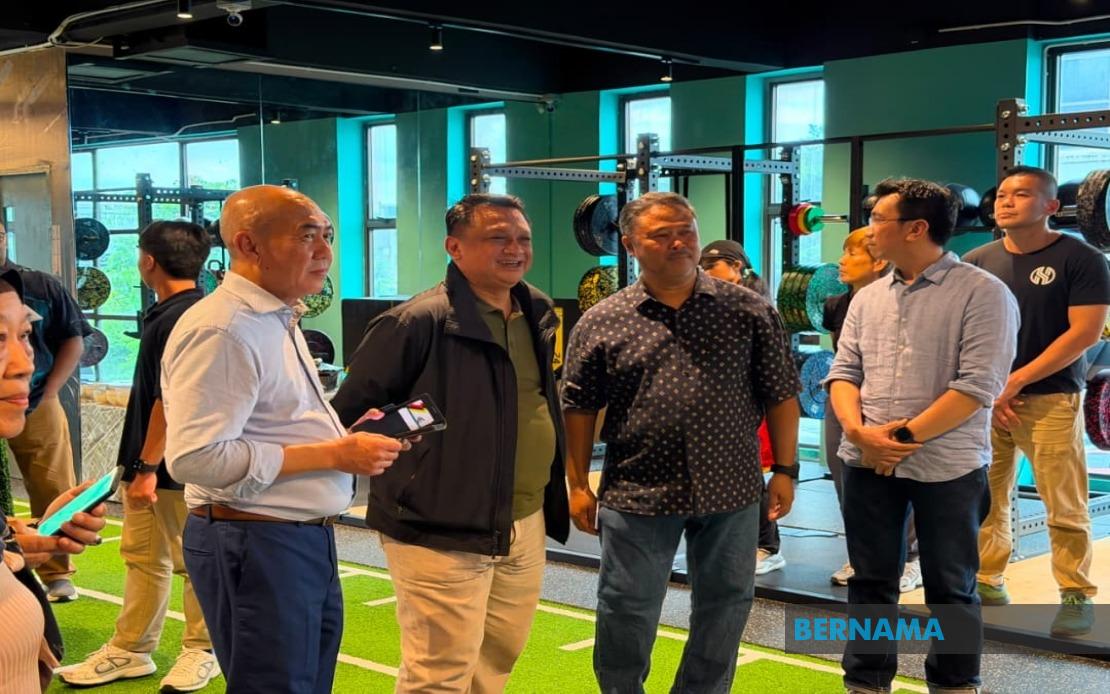
Growing concern about elderly safety is prompting fitness professionals across Malaysia to advocate more actively for preventative health measures targeting senior citizens. Dr Adibah Ali, owner of FitLab gymnasium in Kuching, argues that despite Malaysia's expanding older demographic, public understanding of how strength training can substantially lower injury risks remains surprisingly limited.
The consultant breast and endocrine surgeon draws on two decades of hospital experience observing the human cost of preventable falls. During her tenure in wards treating elderly patients, Dr Adibah witnessed repeatedly how fractures and injuries from falls necessitated extended hospitalisation, often triggering cascading health complications for vulnerable seniors. This clinical exposure motivated her to champion a more proactive, evidence-based approach to elder care through fitness intervention rather than waiting for injuries to occur.
The benefits of regular muscle-strengthening exercises extend well beyond purely physical outcomes. By building skeletal strength and joint stability, targeted training programmes enable older adults to navigate daily tasks with greater confidence and safety. Activities as fundamental as ascending stairs, carrying groceries, or rising from seated positions become less precarious when elderly individuals maintain adequate muscular support. Dr Adibah emphasises that the goal is not aesthetic transformation but functional resilience—empowering seniors to maintain independence in their everyday lives.
Recognising this gap in community health infrastructure, FitLab plans to develop specialised fitness classes specifically designed for elderly participants. The gymnasium intends to partner with Pusat Aktiviti Warga Emas (PAWE), Malaysia's national centre for senior citizen activities, to expand accessible fitness programming and encourage broader participation among the aging population. Such collaborations between private fitness facilities and government-supported elder care agencies could establish a replicable model for other states.
Sarawak's Deputy Minister of Youth, Sports and Entrepreneur Development, Datuk Gerald Rentap Jabu, acknowledged that strengthening public health initiatives targeting active ageing remains essential as those aged 50 and above constitute an increasingly significant demographic segment in the state. The minister highlighted that promoting senior wellness involves multifaceted programming beyond purely physical exercise. Mental stimulation through activities like chess alongside physical conditioning creates comprehensive wellness frameworks that address cognitive and social dimensions of healthy ageing.
The emphasis on collaborative programming reflects a broader regional understanding that combating fall-related injuries requires coordinated effort across multiple stakeholders. Government agencies, private fitness operators, and community organisations must align their resources and expertise to create accessible, affordable pathways for elderly Malaysians to engage in preventative fitness activity. Without such coordination, awareness campaigns alone will fail to translate into sustained behavioural change among older adults.
Malaysia's aging demographic trajectory mirrors regional patterns across Southeast Asia, where improving elderly care capacity presents both urgent public health challenges and opportunities for innovation. Countries across the region increasingly recognise that investing in preventative health measures for seniors reduces downstream pressure on hospital systems overwhelmed by treating preventable fall injuries. Strength training programmes represent a cost-effective intervention with measurable returns in terms of reduced hospitalisations and improved quality of life.
The royal visit by the Raja Muda of Perlis, Tuanku Syed Faizuddin Putra Jamalullail, alongside his wife Tuanku Dr Lailatul Shahreen Akashah Khalil to FitLab underscores growing high-level attention to elder wellness initiatives. Such royal patronage elevates the profile of fitness programming and signals institutional support for community health projects addressing demographic vulnerabilities. The approximately two-hour visit to the gymnasium before the Raja Muda proceeded to the 2026 World Rainforest Music Festival indicated substantial engagement with the facility's operations and mission.
For Malaysian policymakers, the gathering illustrates how public-private partnerships centred on preventative health can gain traction when aligned with relevant community stakeholders and supported by high-visibility endorsement. Beyond Sarawak, other states could examine similar models to address senior citizen health vulnerabilities. The success of initiatives like those planned by FitLab and PAWE will likely depend on sustained funding, trained instructors familiar with age-specific exercise modifications, and sustained community engagement rather than episodic promotional events.
The underlying challenge remains translating professional recommendations into widespread behavioural adoption. Many elderly Malaysians may harbour misconceptions that strength training requires joining commercial gyms or involves strenuous bodybuilding-style routines. Successful outreach campaigns must address these barriers through accessible facility options, affordable pricing structures, and demonstrated evidence of safety and effectiveness specific to older adult populations. Community centres, hospitals, and primary care clinics could serve as additional venues for embedding age-appropriate fitness programming into existing senior health services.

