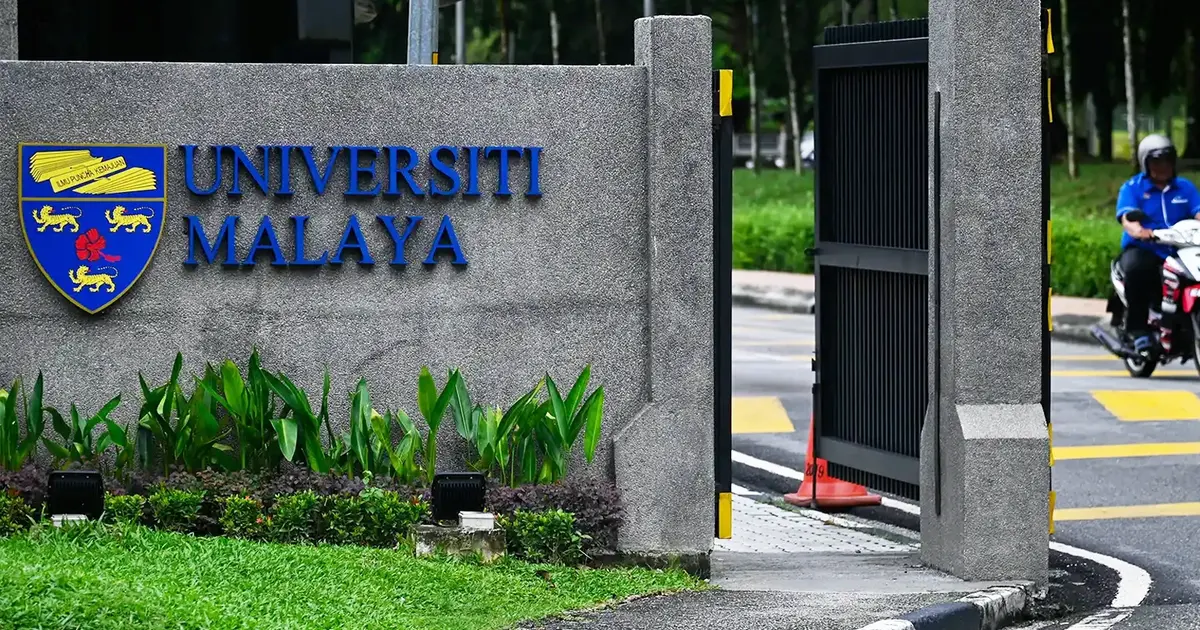
University of Malaya faces mounting pressure from student advocates seeking clarity on the status of an ongoing sexual harassment inquiry into a faculty member, with the institution still having made no public announcement regarding the case despite earlier assurances that resolution was approaching. NewGen UM, a student advocacy collective focused on institutional accountability, has stepped forward to demand that Malaysia's premier research university provide a substantive update on where the investigation stands and when findings will be disclosed.
The delay has become a focal point for broader concerns about institutional transparency and the adequacy of reporting mechanisms within Malaysian universities. When the university announced last September that the probe had reached its final phases, the statement created an expectation among students and observers that conclusions would follow within weeks rather than months. The absence of any subsequent communication has undercut that initial commitment to timeliness, creating a credibility gap between institutional promises and actual delivery.
Newsroom inquiries suggest that the investigation centres on conduct allegations levelled against a University of Malaya professor, though the institution has been characteristically guarded about specifics. The reluctance to provide granular details reflects standard institutional practice in Malaysia, where universities typically treat personnel and disciplinary matters as confidential pending formal resolution. However, student advocates argue that transparency serves multiple important functions: it reassures the campus community that investigations are proceeding seriously, it prevents affected parties from being left in indefinite limbo, and it demonstrates to potential complainants that the institution takes misconduct allegations seriously enough to follow through publicly.
NewGen UM's intervention reflects a broader pattern of student-led activism across Malaysian campuses demanding greater institutional accountability. The group has positioned this particular case as emblematic of a systemic problem whereby universities announce investigations with public fanfare but then retreat into opacity once the initial attention fades. This cycle, they argue, undermines confidence in formal complaints procedures and may discourage future complainants from coming forward, knowing that their cases could languish in bureaucratic limbo without public reckoning.
The timing of the delay carries particular significance for Malaysian higher education. Universities across Southeast Asia have faced increasing scrutiny over campus safety and the treatment of harassment complaints, with several high-profile cases at regional institutions prompting institutional reforms and student-led campaigns. The expectation that Malaysian universities will meet comparable standards of accountability and transparency has risen accordingly, making delays in high-profile investigations appear increasingly anomalous rather than routine.
University of Malaya's handling of this matter will likely establish a precedent for how the institution addresses similar issues in future. If the inquiry concludes with a public announcement detailing findings and remedial actions, it signals institutional commitment to accountability. Conversely, if the matter is quietly resolved or allowed to fade from public discussion, it reinforces perceptions that the university prioritises reputational management over genuine transparency. For prospective students and staff considering whether to join Malaysia's leading university, these impressions matter considerably.
The student group's demand also touches on questions of natural justice. Regardless of whether the allegations are ultimately substantiated, the accused professor deserves clarity about the investigation's outcome, as does the complainant if one exists. Extended delays without communication create professional and personal uncertainty that extends well beyond the initial incident. International best practices increasingly emphasise that investigative timelines should be clearly communicated at the outset, with regular updates provided as investigation progresses, rather than leaving all parties in prolonged suspension.
University of Malaya has not yet responded publicly to NewGen UM's demands for updated information. The institution's silence on the matter may reflect genuine investigative complexities that have extended the timeline beyond initial expectations, or it may indicate that the university is managing the matter defensively rather than proactively. Either way, the extended delay has created a vacuum that student advocates have effectively filled with their own calls for accountability, shifting the initiative away from the institution.
The episode also illustrates the growing sophistication of student activism within Malaysian universities. Rather than launching emotional campaigns, NewGen UM has framed its intervention in terms of institutional accountability and transparency principles, making it harder for the university to dismiss the criticism as mere student grievance. This strategic approach has resonated with observers concerned about governance standards across Malaysian higher education more broadly.
Looking forward, the resolution of this case will reverberate beyond the immediate individuals involved. It will influence how other students perceive the accessibility and responsiveness of institutional complaint mechanisms, it will shape the reputation of University of Malaya among prospective students and staff, and it will potentially influence how other Malaysian universities approach similar matters. The costs of continued delay, therefore, extend well beyond the immediate investigation itself and into broader questions of institutional culture and trust.