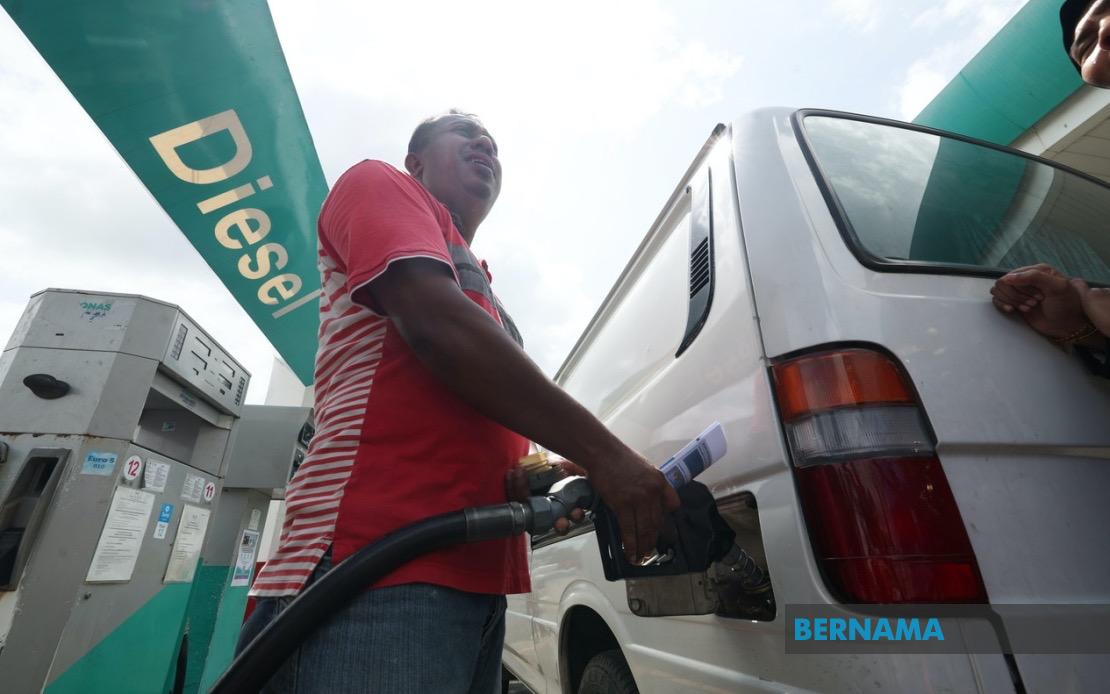
Malaysia's government is moving to lower the cost of subsidised diesel for eligible citizens, with Prime Minister Datuk Seri Anwar Ibrahim confirming that the fuel will be priced at RM2.10 per litre from July 2026. The announcement, made during the Cheque Handover Ceremony at Bintulu Port's conversion from federal to state port status, marks a significant shift in how the MADANI Government manages fuel subsidies across the country.
The new pricing structure represents part of a broader overhaul of diesel subsidy allocation, moving away from blanket subsidies toward a more precisely targeted system. By restricting subsidised diesel access to verified Malaysian citizens through identity documentation, the government aims to ensure that subsidy benefits reach those intended while preventing leakage to the black market or unauthorised users. This verification mechanism draws directly from the successful BUDI MADANI RON95 programme, which has demonstrated how MyKad-based authentication can efficiently manage fuel price controls.
The BUDI95 programme, launched to provide petrol subsidies to Malaysian citizens at fixed prices, has become the template for restructuring other fuel subsidies. Under this model, eligible citizens present their identity cards at participating fuel stations to access government-supported prices, while non-eligible buyers pay market rates. Extending this framework to diesel represents a logical progression in the government's subsidy reform agenda, particularly as diesel consumption patterns differ significantly from petrol, with commercial users and long-distance transporters representing substantial demand segments.
Finance Minister II Datuk Seri Amir Hamzah Azizan is scheduled to provide comprehensive details regarding the implementation mechanics of the new diesel pricing scheme to media representatives in Kuala Lumpur. This briefing will likely clarify crucial operational details including the timeline for system preparation, the process for citizens to register for subsidised access, and measures to prevent misuse of the programme. The involvement of the Finance Ministry signals that budgetary implications have been carefully modelled and incorporated into fiscal planning.
The RM2.10 price point carries significance for Malaysia's transportation and logistics sectors, which depend heavily on diesel fuel. Commercial vehicle operators, including long-haul trucking companies and public transport providers, have long advocated for more affordable diesel access to manage operational costs. However, the targeted nature of the new subsidy means that commercial users may not automatically qualify, potentially limiting the scheme's direct impact on business fuel expenses unless specific provisions are made for commercial entities.
Diesel subsidy reform touches on fundamental questions about government spending priorities and fiscal sustainability. By moving toward verification-based targeting, authorities can more accurately project subsidy expenditure and prevent wastage through black-market diversion. This approach also reflects lessons learned from previous subsidy programmes, where universal price controls sometimes benefited unintended recipients or encouraged smuggling across borders where price differentials were significant.
The timing of the announcement—with implementation scheduled for July 2026—provides businesses and households several months to adjust to the new regime. For citizens currently relying on diesel-powered vehicles, understanding eligibility criteria and registration procedures will be essential. The government's decision to front-load public communication about the changes, rather than implementing them suddenly, suggests awareness of potential disruption and a commitment to transparent transition management.
Regionally, Malaysia's subsidy approach interests other Southeast Asian nations grappling with similar policy challenges. Indonesia, Thailand, and the Philippines all face ongoing debates about fuel subsidy sustainability and targeting efficiency. Malaysia's adoption of digital verification for fuel price controls could serve as a model for regional peers seeking to balance affordability concerns with fiscal prudence. The successful implementation of BUDI95 provides empirical evidence that such systems can function effectively at scale.
The announcement arrives amid broader economic considerations affecting Malaysia's budget position. Global crude oil prices, currency fluctuations, and domestic demand patterns all influence the real cost of maintaining subsidies. By introducing a verification requirement, the government signals that while it remains committed to supporting citizen welfare, it will do so through more sophisticated mechanisms than simple price controls. This reflects evolution in policy thinking toward what economists term "smart subsidies"—interventions designed to provide targeted assistance rather than broad market distortions.
The diesel subsidy revision also has implications for inflation and purchasing power. While subsidised fuel prices directly benefit eligible consumers, indirect effects ripple through transport costs for goods and services. A structured approach to diesel pricing could help stabilise logistics expenses for businesses while avoiding the inflationary pressures that sometimes accompany abrupt subsidy changes or removals. Predictable fuel costs enable better business planning and pricing strategies.
Implementation success will depend partly on digital infrastructure readiness and MyKad verification system capacity. The government must ensure that fuel stations across Malaysia, particularly in rural areas where MyKad readers may be less prevalent, can efficiently process transactions. Technical glitches or long transaction times could undermine the programme's effectiveness and generate public frustration, even if the underlying policy is sound.
For Malaysian consumers and businesses, the pathway forward involves staying informed about detailed implementation guidelines when Finance Minister Amir Hamzah Azizan provides them. Understanding eligibility criteria, registration procedures, and any exemptions or special provisions will be crucial for those depending on subsidised diesel access. The government's willingness to announce policy changes with advance notice offers stakeholders time to adapt and prepare, potentially smoothing the transition to the new system.

