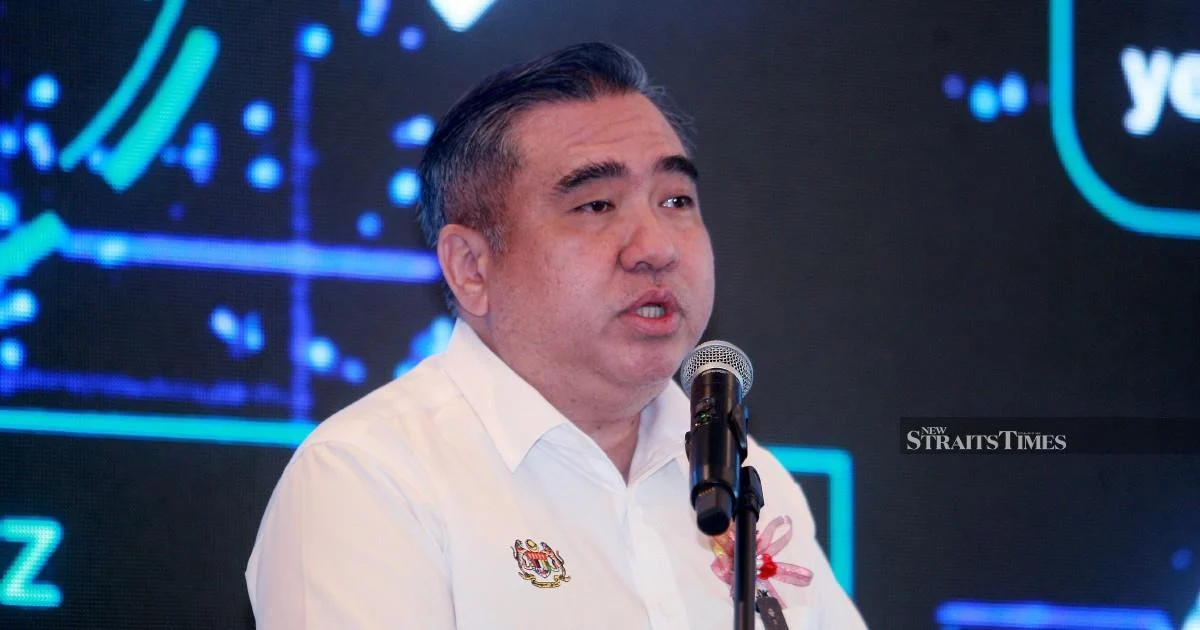
Transport Minister Anthony Loke's recent clarification regarding removable sunshades has triggered more questions than answers among Malaysian motorists struggling to understand where authorities draw the line on compliance. His statement that drivers will not face enforcement action for using these devices should have provided relief, yet the broader regulatory picture remains frustratingly opaque for the average road user navigating the nation's increasingly complex traffic laws.
The confusion stems largely from the absence of a detailed operational framework explaining precisely which types of sunshades qualify as removable and therefore acceptable, and what characteristics would render them subject to enforcement. Without concrete specifications—whether regarding material composition, installation method, or visual obstruction thresholds—motorists are essentially left guessing about the practical application of the rule. This ambiguity places drivers in an uncomfortable position where compliance feels like a matter of interpretation rather than clear adherence to established standards.
Loke's intervention reflected an apparent disconnect between the regulation itself and public understanding of its enforcement. Motorists across Malaysia have expressed bewilderment about what distinguishes a permissible removable shade from a problematic one, particularly given that many devices sold in the commercial market occupy a grey zone regarding both functionality and legality. The lack of accompanying visual aids, technical specifications, or installation guidelines compounds the confusion, leaving automotive retailers and drivers to make educated guesses about product acceptability.
This issue carries broader implications for traffic law enforcement in Malaysia, where similar clarity problems plague numerous regulations. When rules lack transparent implementation standards, compliance becomes inconsistent, and enforcement becomes arbitrary. Motorists cannot reasonably be expected to follow regulations they do not fully comprehend, yet they simultaneously remain vulnerable to enforcement action if officers interpret the rules differently than they do. This dynamic erodes public confidence in both the regulatory framework and the authorities responsible for administering it.
The sunshade matter also reveals systemic challenges within Malaysia's transport governance structure. Multiple regulatory bodies—road transport authorities, the police, and various state enforcement agencies—may interpret and apply rules differently based on local context or individual officer discretion. Without centralized guidance documents, training protocols, and enforcement benchmarks, the same vehicle configuration might face approval in one jurisdiction and citations in another, creating genuine hardship for drivers crossing state lines or uncertain about their legal standing.
Retailers selling automotive accessories face their own predicament. How should businesses advise customers about sunshade legality when the ministry itself struggles to establish firm boundaries? Many shop owners have adopted a cautious approach, essentially warning customers that ministry statements notwithstanding, enforcement risk remains present. This defensive stance undermines Loke's attempt to provide reassurance and suggests that industry players do not trust the government's commitment to the clarified position.
From a practical enforcement perspective, police officers and traffic inspectors require operational clarity to do their jobs effectively. Ambiguous rules create situations where officers either hesitate to enforce out of uncertainty or apply standards inconsistently based on personal interpretation. Neither outcome serves the public interest. Clear enforcement guidance would enable officers to make consistent, defensible decisions while reducing the opportunity for arbitrary or corrupt enforcement practices that erode public confidence in institutions.
The Malaysian motoring public has demonstrated increasing frustration with what many perceive as regulatory overreach combined with opacity about implementation. Sunshades represent a relatively minor issue in the broader transportation landscape, yet the handling of this matter—clarification followed by persistent confusion—exemplifies a pattern that affects larger regulatory challenges. When governments provide guidance without sufficient specificity, the public reasonably questions whether officials themselves fully understand their own rules.
Moving forward, the transport ministry should consider publishing comprehensive enforcement guidelines for sunshade regulations that include photographic examples of acceptable and prohibited devices, measurement standards, installation specifications, and explicit examples of scenarios where enforcement will and will not occur. Such documentation, while perhaps tedious for ministry officials to develop, would provide motorists with genuine certainty and enable consistent enforcement nationwide.
The broader lesson from this episode extends beyond sunshades to Malaysia's regulatory culture generally. Effective governance requires not merely announcing rules but accompanying them with transparent implementation frameworks that the public, industry stakeholders, and enforcement personnel can confidently reference. Loke's clarification attempted to soften public concern about enforcement, but without corresponding operational detail, it accomplished little beyond shifting uncertainty from one domain to another. Malaysian motorists deserve better—clear rules, transparent standards, and consistent application across all jurisdictions.