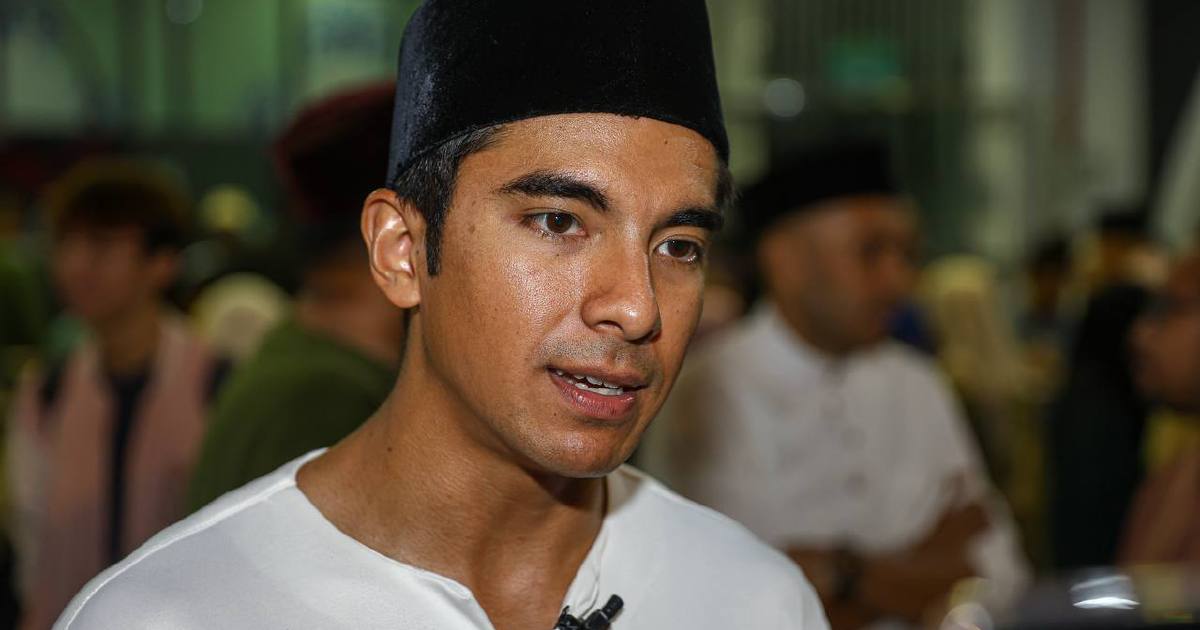
Muar Member of Parliament Syed Saddiq Abdul Rahman Buah has adopted a philosophical stance as the Federal Court prepares to hand down a landmark decision that will determine whether his political career can continue or faces serious constitutional obstacles. The prominent Pakatan Harapan figure, known for championing youth involvement in governance, has publicly expressed his trust in divine will while awaiting the outcome of proceedings that have consumed considerable attention within Malaysian political circles.
The Federal Court case represents a watershed moment not merely for Syed Saddiq personally but for broader questions about party leadership, internal democracy, and the regulatory framework governing political organisations in Malaysia. The timing of the ruling arrives as the nation navigates complex political transitions and competing visions for how to balance institutional accountability with individual political rights. Syed Saddiq's calm demeanour in recent weeks contrasts sharply with the intensity of legal arguments presented by both sides, suggesting either genuine spiritual conviction or carefully calibrated political composure—or possibly both.
Syed Saddiq's political trajectory has been defined by his ability to mobilise younger voters and articulate reform agendas that resonate beyond traditional party lines. His prominence within PKR and broader reformist movements has made him a lightning rod for both admiration and criticism. The legal challenge he faces strikes at fundamental questions about party discipline, procedural fairness, and whether sanctions imposed by party leadership can withstand constitutional scrutiny when examined by the judiciary.
For Malaysian political observers, the Federal Court's decision will establish important precedents about the relationship between internal party governance and constitutional protections. The ruling could influence how political parties structure their disciplinary mechanisms, what due process safeguards must accompany sanctions against members, and whether courts will intervene in matters traditionally considered internal party affairs. These implications extend far beyond Syed Saddiq's individual circumstances and will shape the operational landscape for all Malaysian political organisations.
The case has already attracted significant media scrutiny and generated considerable debate within opposition and government circles alike. Legal analysts have noted the complexity of balancing party autonomy with individual rights protection, a tension that sits at the heart of constitutional democracies grappling with organised political activity. Syed Saddiq's decision to await the verdict with apparent serenity—attributing the outcome to divine providence rather than legal strategy—reflects a particular approach to managing uncertainty during high-stakes institutional proceedings.
In the broader regional context, Malaysia's Federal Court decisions regarding political rights and party governance carry implications for how Southeast Asia's established democracies handle tensions between organisational authority and individual protections. The case touches on universal questions about power distribution within political movements, the accountability mechanisms available to party members, and whether judicial systems should referee intra-party disputes or maintain traditional hands-off positions.
For Muar constituents, the Federal Court ruling will also determine whether their elected representative can continue serving in Parliament without legal cloud or whether complications might arise affecting his legislative capacity. This local dimension adds another layer of significance, as voters in the Johor constituency await clarity about their MP's constitutional standing and whether any restrictions might be imposed on his political activities or parliamentary functions.
Syed Saddiq's public statements about entrusting his fate to God should be understood within the context of Malaysian political culture, where religious invocation frequently accompanies political discourse. Such expressions serve multiple purposes simultaneously: they communicate faith in ultimate justice, they signal acceptance of institutional processes, and they position the speaker within Malaysia's religious-cultural framework where spiritual language carries significant persuasive weight.
The Federal Court's deliberations have proceeded methodically through submissions, oral arguments, and legal memoranda examining constitutional provisions, party regulations, and precedent rulings from previous cases. The justices face a genuine legal puzzle about where institutional boundaries lie and how courts should approach matters involving political organisations' internal decision-making processes. Their resolution will likely influence not only how similar cases proceed but also how political parties structure their governance going forward.
As the ruling date approaches, political watchers across Malaysia and the region remain attentive to how the Federal Court balances competing institutional interests and constitutional values. The decision will reflect Malaysia's judicial philosophy regarding the proper scope of court intervention in political matters and the weight accorded to individual rights against organisational interests. For Syed Saddiq, the resolution of this lengthy legal process represents either vindication or a significant setback requiring fresh strategic thinking about his political role and future contributions to Malaysian governance.

