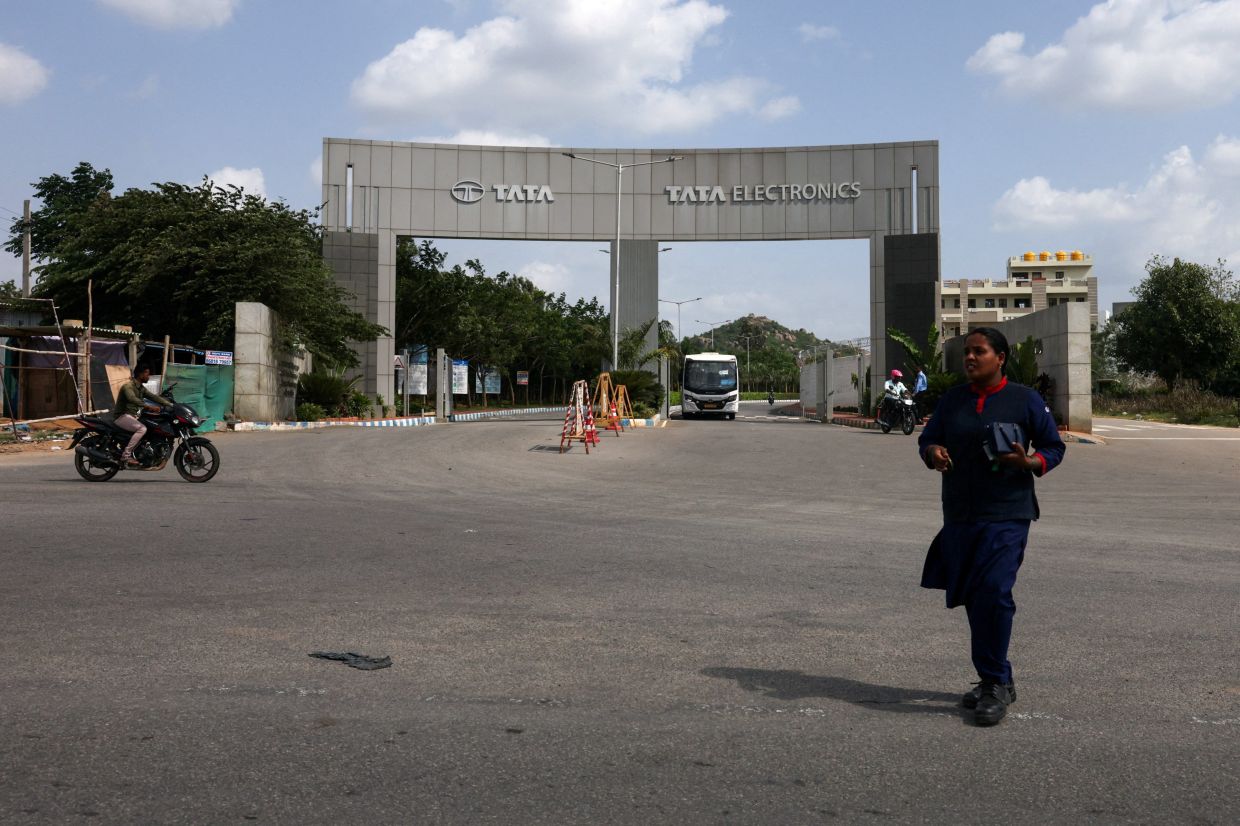
Tata Electronics disclosed on Monday that it had discovered a recent cybersecurity breach affecting some of its systems, following claims by the World Leaks ransomware group that it had obtained and published confidential design documents and specifications belonging to Apple and Tesla, both major clients of the Indian conglomerate. The scale of the alleged compromise is substantial, with security researchers reporting that more than 200,000 files totalling over 630 gigabytes have been posted to the dark web, accessible only through specialized networks beyond conventional search engines.
In a statement to Reuters, Tata Electronics acknowledged the incident while seeking to minimise its operational impact, asserting that response protocols were activated immediately upon discovery and that business continuity across the group remained unaffected. However, the company's characterization of the breach as manageable stands in contrast to the potential commercial and reputational damage suggested by the scale and sensitivity of the exposed material. Apple, for its part, launched an investigation into the breach and initiated a comprehensive analysis of the incident, according to sources familiar with the situation. The ransomware group has reportedly submitted a ransom demand to Tata in connection with the stolen data, though the company has declined to comment on extortion attempts or the specifics of negotiations.
The timing of this breach arrives at a particularly sensitive moment for India's electronics manufacturing sector. Tata has become a cornerstone of Apple's strategy to diversify production away from China, representing approximately one third of the company's iPhone manufacturing capacity in India, with Foxconn accounting for the remainder. This manufacturing expansion is deeply embedded in Prime Minister Narendra Modi's broader economic agenda to establish India as a competitive global electronics production centre, attracting multinational companies seeking alternatives to Chinese manufacturing. The breach undermines confidence in India's ability to provide secure supply chain infrastructure, a critical consideration for corporations making long-term investment decisions in the region.
The exposed data paint a detailed picture of the sensitive information at stake. Security researchers reviewing the leaked files identified hundreds of purported Apple documents, including a 52-page quality inspection standard document bearing Apple's proprietary markings that details requirements for iPhone circuit board components. Additionally, approximately 181 files and folders matched searches for "Apple", while separate searches for "Tesla" returned manufacturing specifications and assembly documentation dated May 2025. One folder specifically referenced "NV36 Chargeport Controller - North America", seemingly related to charging systems in Tesla's Model Y SUV variant, while other documents appeared connected to Project Highland, Tesla's publicly acknowledged internal codename for a redesigned Model 3 sedan.
The breadth of compromised material extends beyond mere technical specifications. Indian cybersecurity researcher Rajshekhar Rajaharia, who examined the data dump for Reuters, revealed that the cache includes employee emails spanning multiple years, system event logs, and copies of passports belonging to staff members including foreign nationals. Such personal information creates additional compliance and security ramifications for affected employees and raises questions about data protection protocols within Tata's facilities. Several files bore explicit proprietary footers stating that the documents contained confidential information of Apple and Tesla, reinforcing the intentional nature of the theft and the sophistication of the operation.
Geographic specificity in the leaked data provides further evidence of the breach's depth. Files and folders marked "Hosur", referring to the location of Tata's primary iPhone assembly plant in Tamil Nadu state, were identified among the exposed materials. This geographic connection demonstrates that the attackers accessed systems directly linked to actual production facilities, not merely peripheral networks or legacy systems. The breach also comes amid existing concerns about Tata's operations in India, as the company has faced scrutiny over alleged contamination of farmlands near its iPhone manufacturing plant, adding another layer of operational and reputational pressure at this juncture.
This incident is not Tata's first encounter with sophisticated cyber threats. The conglomerate's British automotive subsidiary, Jaguar Land Rover, suffered a significant cyberattack in the previous year that forced a six-week production halt, demonstrating the group's vulnerability to coordinated attacks targeting critical infrastructure. The recurring nature of these breaches suggests potential systemic weaknesses in cybersecurity infrastructure or incident response capabilities across Tata's disparate operations, a matter likely to concern existing and prospective clients dependent on the company's supply chain security.
World Leaks, the group claiming responsibility for the Tata breach, has previously targeted other major corporations, including Nike, establishing a pattern of targeting high-profile multinational companies and extracting significant quantities of proprietary data. The group's methodology combines theft with public exposure on the dark web, leveraging the publicity and threat of data release to pressure victims into ransom payments. Such tactics have become increasingly common and sophisticated among ransomware operators, who now operate with the financial backing and operational discipline of organized criminal enterprises.
The implications for Southeast Asia and India specifically are substantial. Supply chain security has become a critical competitive factor for countries seeking to attract electronics manufacturing investment. The ability to demonstrate robust cybersecurity protections can determine whether multinationals commit billions in capital expenditure to new facilities. India's push to replace China as the premier location for global electronics manufacturing depends not only on labour costs and tax incentives but also on assuring foreign investors that their intellectual property and operational data will remain secure. Breaches of this magnitude create doubt about such assurances and provide leverage to competing jurisdictions, including Vietnam, Indonesia, and other Southeast Asian nations, that are simultaneously competing for the same multinational investment.
Neither Apple nor Tesla responded to requests for comment regarding the breach, maintaining their characteristic public silence on security matters, though both companies are likely conducting detailed forensic investigations to assess the full scope of exposure. The Indian Computer Emergency Response Team, the government agency responsible for overseeing cybersecurity incidents at the national level, did not immediately respond to inquiries about the breach, raising questions about the speed and transparency of official responses to incidents involving critical infrastructure and major multinational operations.
Security researchers have noted that the compromised data has been accessible on the dark web since at least June 10, suggesting a window of potentially several weeks during which threat actors could have downloaded and exploited the stolen materials. This temporal dimension adds urgency to forensic investigations and damage assessments, as any sensitive technical or strategic information obtained by competitors or hostile actors could provide significant commercial or technological advantage. The incident underscores the ongoing vulnerability of even large, well-resourced corporations to increasingly sophisticated cyber threats, and the particular risks faced by companies maintaining sensitive data across multiple jurisdictions with varying cybersecurity standards and regulatory frameworks.

