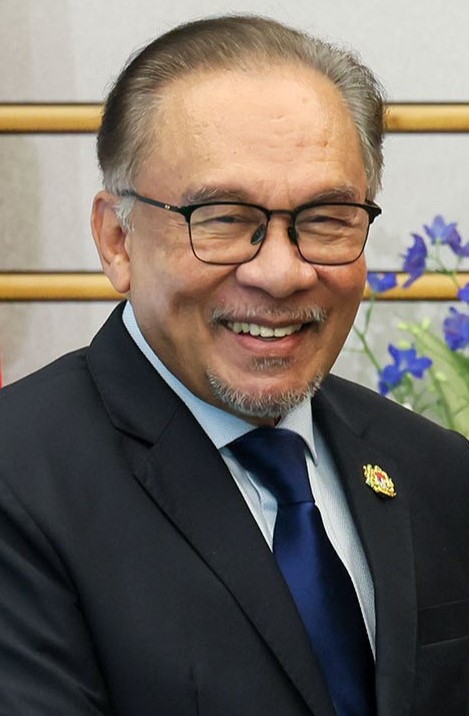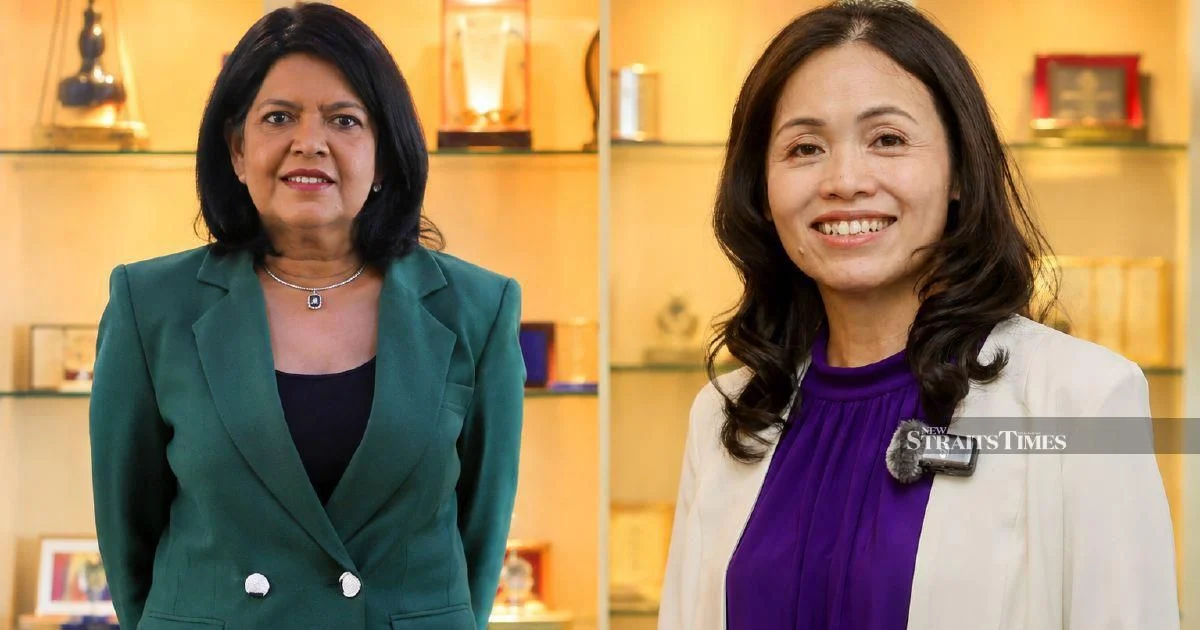
The appointment of former Federal Court judge Tan Sri Nallini Pathmanathan to lead the newly formed Malaysian Media Council has gained ministerial backing, with Deputy Communications Minister Teo Nie Ching voicing strong support for the jurist's candidacy. Teo's endorsement underscores the government's intention to place the nascent regulatory body under experienced leadership with a demonstrated commitment to media and constitutional protections.
Nallini's judicial tenure provides substantial credentials for the media oversight role, particularly her consistent positioning on matters relating to press freedoms and the broader spectrum of constitutional rights. Throughout her years on the Federal Court bench, she engaged with cases that touched upon the intersection of media expression, public accountability, and individual liberties—domains that directly inform the emerging council's mandate. This background suggests a leadership approach grounded in legal principle rather than arbitrary governance.
The creation of the Malaysian Media Council itself represents a significant institutional development within Malaysia's media ecosystem. Unlike previous regulatory frameworks that concentrated powers within government-controlled bodies, the new council signals a move toward independent oversight that can theoretically mediate between state interests, commercial operators, and public expectations. The council's exact remit and authority remain subjects of ongoing definition, but its establishment reflects growing recognition that Malaysia's press landscape requires contemporary governance mechanisms.
Teo's remarks highlighting Nallini's record come amid broader global scrutiny of media freedoms in Southeast Asia. Malaysia, like several neighbours, has faced international criticism regarding press restrictions and the application of laws that critics argue chill editorial independence. The deployment of judicial expertise in leading a new media council could provide reassurance to both domestic journalists and international observers that technical competence and constitutional literacy will guide the body's decisions rather than political expediency.
Nallini's appointment also carries symbolic weight for women in Malaysian institutional leadership. Her elevation to head a prominent regulatory body follows years of incremental gains in female representation within the judiciary and government. This development may encourage further diversification of leadership roles across Malaysia's administrative apparatus, though substantive gender equity in governance remains a work in progress.
The Malaysian Media Council's formation arrives at a moment when the country's information landscape is fractured and polarised. Social media proliferation has blurred lines between traditional journalism and citizen commentary, while misinformation campaigns during elections and public health emergencies have exposed vulnerabilities in media literacy and fact-checking infrastructure. A council led by someone familiar with constitutional limits and judicial reasoning could potentially navigate these complexities more thoughtfully than purely political appointees might.
Nallini's judicial background offers practical advantages for the council's operational challenges. Her experience interpreting law, weighing competing claims, and issuing reasoned decisions provides transferable skills for adjudicating complaints, establishing standards, and drafting guidelines that respect both editorial autonomy and public interest. Furthermore, her tenure on Malaysia's highest court likely equipped her with knowledge of relevant precedent and the statutory environment governing broadcast, print, and digital media.
However, the council's effectiveness will ultimately depend on factors beyond leadership quality, including its funding, enforcement powers, independence from political interference, and acceptance by media industry stakeholders. Some questions persist about whether the new body will possess adequate authority to investigate complaints, issue binding decisions, or impose meaningful consequences for violations of established codes. Nallini's judicial experience cannot fully substitute for robust structural independence and adequate resourcing.
The timing of Nallini's appointment also reflects Malaysia's broader governance transition and modernisation agenda. Successive administrations have sought to rebuild institutional credibility following years of institutional capture and erosion of democratic norms. Placing a respected jurist at the helm of a new media council aligns with this reconstruction effort and signals intent to stakeholders, whether international partners, business investors, or civil society organisations, that Malaysia is serious about institutional reform.
For Malaysian journalists and media organisations, Nallini's leadership could provide greater confidence that the council will operate according to transparent principles and established law rather than political whim. Her judicial temperament and interpretive approach suggest a preference for careful reasoning over arbitrary rulings. Nevertheless, the press will likely maintain healthy scepticism until the council demonstrates its independence through tangible decisions and publicly articulated principles.
Regionally, Malaysia's move to establish an independent media council under experienced judicial leadership adds to conversations about media governance across Southeast Asia. Countries like Indonesia, Thailand, and the Philippines maintain their own regulatory frameworks with varying degrees of effectiveness and credibility. Nallini's approach, should she prioritise transparency and constitutionalism, could offer an alternative model worth observing by regional peers grappling with similar challenges of balancing press freedom, public order, and commercial interests.
Teo's backing of Nallini represents a bureaucratic confidence vote that carries weight within Malaysian government circles. However, the real test of Nallini's tenure will arrive when the council confronts its first contentious cases—moments when media interests, government sensitivities, and public expectations collide. Her judicial philosophy and commitment to principled reasoning will then face practical examination.