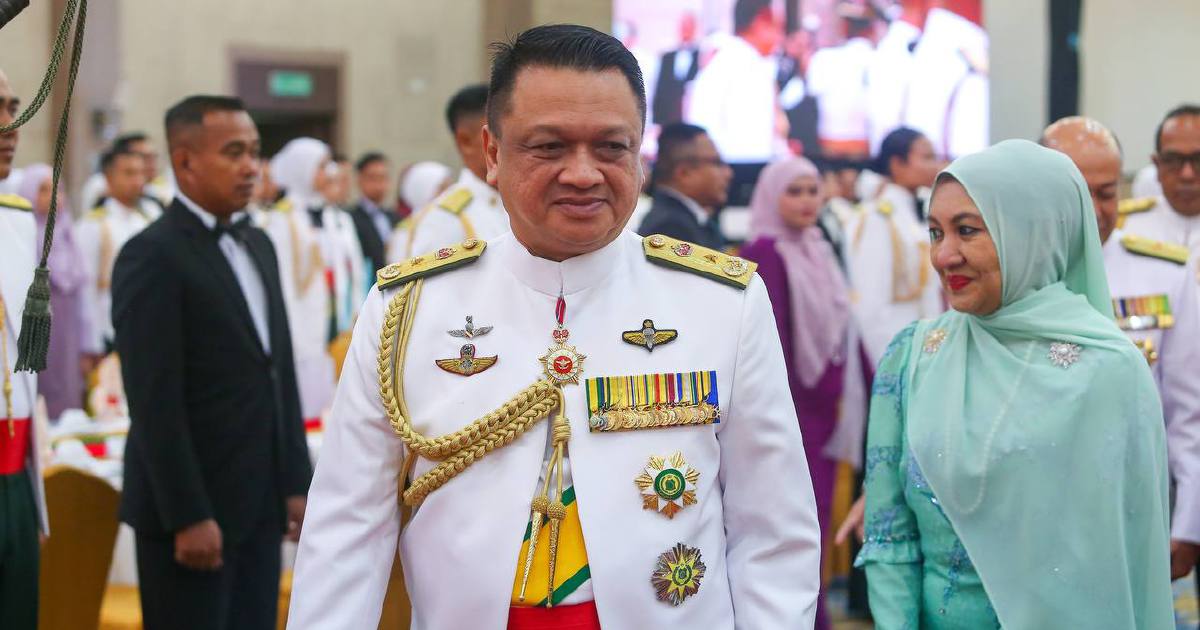
The Territorial Army remains a cornerstone of Malaysia's broader defence architecture, according to Tuanku Syed Faizuddin Putra Jamalullail, Raja Muda of Perlis, who delivered remarks in Arau highlighting the force's enduring significance in an evolving security landscape. His statement reflects growing recognition among the nation's leadership that reserve and auxiliary military capabilities complement regular armed forces in addressing contemporary threats ranging from territorial integrity concerns to internal security challenges.
The Raja Muda articulated the Territorial Army's operational philosophy through its foundational mandate: "To Raise, Train and Maintain" personnel across the nation. This three-pillar approach encapsulates the force's commitment to continuous recruitment from civilian populations, comprehensive military instruction tailored to reserve service requirements, and sustained operational readiness throughout personnel's tenure. Rather than viewing reserve forces as supplementary, Malaysian leadership increasingly positions them as integral components of national defence strategy.
Malaysia's Territorial Army, distinct from the regular Malaysian Armed Forces, has historically served as a bridge between civilian society and military institutions. By drawing volunteers and conscripts into structured military service on a part-time or periodic basis, the force creates a larger potential mobilization pool while distributing defence responsibilities across broader demographic segments. This dual benefit—expanding defensive capacity whilst maintaining civilian-military connections—has become more pronounced as security threats diversify beyond conventional military challenges.
The emphasis on training excellence within the Territorial Army reflects lessons learned across Southeast Asia regarding reserve force effectiveness. Nations throughout the region have discovered that hastily assembled reserve units prove inadequate during crises, necessitating rigorous peacetime preparation. By institutionalizing quality training protocols, Malaysia aims to ensure that when territorial or internal security situations demand rapid mobilization, personnel possess fundamental competencies rather than requiring emergency instruction that consumes precious operational time.
Maintaining adequate personnel strength presents an ongoing administrative challenge for reserve-based defence structures worldwide. High attrition rates, competing civilian employment demands, and demographic shifts complicate force sustainability. The Raja Muda's emphasis on the "maintain" component suggests Malaysian authorities recognize these pressures and are committed to developing retention strategies, career progression pathways, and service conditions sufficiently attractive to retain experienced personnel whilst onboarding newcomers.
In the Malaysian context, the Territorial Army has traditionally drawn strength from diverse ethnic and geographic communities, serving as a vehicle for national integration. Recruitment efforts spanning Peninsular Malaysia, Sabah, and Sarawak create shared military experiences across disparate populations, potentially reinforcing national cohesion. This social dimension extends beyond purely military considerations, embedding defence participation within broader nation-building objectives that Malaysian policymakers consistently prioritize.
The statement arrives amid regional developments reshaping security considerations across Southeast Asia. Increased great power competition, evolving maritime challenges in surrounding waters, and transnational security threats have prompted several ASEAN nations to reassess their defence capabilities. Malaysia's affirmation of territorial force importance aligns with this regional trend toward comprehensive security assessments that identify potential shortcomings in reserve and auxiliary capacities.
Budgetary constraints facing many regional militaries have intensified focus on cost-efficient defence approaches. Territorial armies, requiring smaller per-capita expenditure than regular standing forces whilst providing meaningful defensive augmentation, have gained strategic appeal. Malaysia's commitment to this force structure thus reflects pragmatic recognition that geopolitical responsibilities demand defensive capabilities that financial resources alone cannot indefinitely sustain through professional forces.
The timing of such leadership statements carries significance in Malaysian security discourse. Public affirmations by senior officials regarding military institutions serve multiple functions: reinforcing institutional morale, signaling commitment to defence investments, and communicating strategic priorities to both domestic and international audiences. The Raja Muda's remarks suggest continued high-level confidence in the Territorial Army's trajectory and role evolution.
Looking forward, the Territorial Army's development trajectory will likely emphasize technological integration, cyber-defence competencies, and adaptability to hybrid conflict scenarios increasingly characterizing modern security environments. The foundational "raise, train, maintain" mandate provides flexibility for evolving capability requirements without fundamental structural reorganization. As Malaysia navigates complex regional security dynamics, reserve forces operating under coherent strategic direction and sustained resource commitment will likely command expanded strategic significance within national defence planning frameworks.

