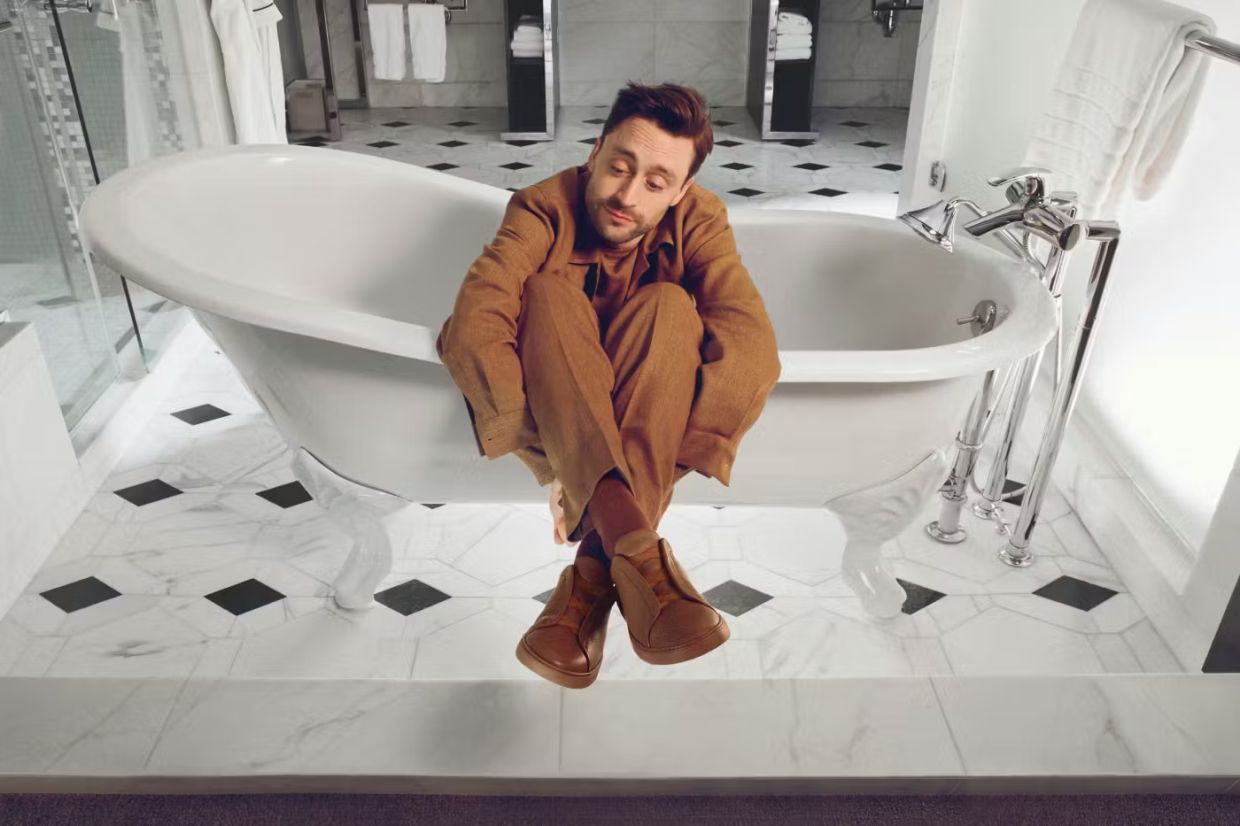
The dress sneaker represents one of contemporary fashion's most intriguing contradictions: a hybrid shoe that marries the comfort of athletic footwear with the polish of traditional leather dress shoes. Whether celebrated as a practical innovation or dismissed as a compromised muddle, this footwear category has fundamentally reshaped how modern professionals approach their wardrobes. What began as a niche curiosity has evolved into something remarkably difficult to ignore in corporate boardrooms, film festivals, and the offices of technology entrepreneurs across the globe.
The emergence of dress sneakers is deeply rooted in broader cultural shifts that have remade workplace expectations over the past two decades. The normalization of Casual Friday, the rise of what wealthy consumers call "stealth wealth" styling, and the broader embrace of comfort-centric dressing have all contributed to creating space for footwear that refuses to choose between practicality and appearance. Unlike previous attempts at hybrid shoes—terms like snoafer, sneakerina, and smule rarely gained traction—the dress sneaker managed to transcend novelty status and establish itself as a legitimate wardrobe component. This distinction matters because it reveals something about how fashion achieves legitimacy: it requires the right cultural conditions and sufficient time for acceptance to take root.
Highly visible endorsement from influential figures accelerated the dress sneaker's journey toward mainstream acceptance. Democratic Representative Hakeem Jeffries wore his to meet President Joe Biden at the White House, signalling that the shoes could function in settings demanding formal respect. Actor Ben Stiller paired them with appropriate attire at the New York Film Festival and wore them while courtside at Madison Square Garden to watch the Knicks play basketball. Actor Kieran Culkin made them part of his costume as the morally complex character Roman Roy in the critically acclaimed television series. Perhaps most tellingly, Apple chief executive Tim Cook selected the Zegna Triple Stitch for a magazine cover appearance, positioning the shoes as appropriate even for corporate leadership photographs meant to project authority and vision.
The penetration of dress sneakers into traditionally formal spaces reveals much about contemporary attitudes toward dress codes and professional identity. Exclusive private clubs that have maintained strict sartorial requirements for generations have begun quietly revising their regulations to permit dress sneakers while continuing to ban conventional athletic shoes. This distinction may seem arbitrary to outsiders, but it represents a carefully calibrated acceptance of a specific aesthetic and the values it supposedly represents. Members can now wear white-soled leather shoes to club dining rooms and boardrooms, participating in a visual language that communicates both respect for tradition and willingness to embrace practical comfort.
According to Derek Guy, a menswear historian who contributes regular analysis to the column "Die, Workwear!", the development of dress sneakers required dismantling century-old conventions about masculine professional appearance. Throughout the twentieth century, men working in corporate environments almost exclusively wore hard-soled dress shoes, typically fashioned from black calfskin leather. The introduction of loafers in the late 1960s represented a tentative first step toward casualization, yet even this modest innovation did not extend to sneaker-like footwear. The divide between sneakers and respectable business attire remained largely absolute until the millennium transition.
Tracing the category's origin proves difficult, but Guy identifies the Achilles Low sneaker, released by Common Projects in 2004, as the prototype that established the design language for all subsequent dress sneakers. These Italian-made, minimally branded low-tops featured entirely white uppers and commanded premium pricing that positioned them as luxury goods rather than budget footwear. This price architecture proved crucial: by pricing the shoes at levels typically associated with designer handbags and fine watches, Common Projects ensured they would be understood as status symbols rather than practical alternatives to traditional dress shoes. The strategy essentially invited the wearer to view the shoes as a statement rather than mere footwear.
The concept gradually diffused across the entire retail landscape as established menswear brands recognized commercial opportunity. Heritage shoemakers Allen Edmonds and Wolf & Shepherd introduced their own versions, while luxury conglomerates including Tom Ford, Loro Piana, and Cole Haan developed collections that emphasized their brands' particular aesthetic philosophies. Wolf & Shepherd even secured NBA Hall of Famer Steve Nash to wear and play basketball in their dress sneakers, creating visual evidence that the shoes could withstand athletic demands while maintaining their refined appearance. Television sports commentators on ESPN began incorporating dress sneakers into their on-air wardrobes, gradually normalizing their presence in media spaces that traditionally demanded conservative formality.
The embrace of dress sneakers by Silicon Valley technology entrepreneurs represented a crucial inflection point in their ascent toward mainstream acceptance. Startup founders and venture capitalists adopted the shoes as part of a carefully constructed visual identity that communicated they had progressed beyond the purely casual aesthetic of early-stage entrepreneurship while maintaining sufficient informality to signal continued innovation and flexibility. The shoes became shorthand for the claim "I move fast and break things, but I am now mature enough to wear them in important meetings." From this foundation, investment bankers and senior executives at established financial institutions enthusiastically adopted dress sneakers, partly because they genuinely appreciated the comfort during lengthy workdays and partly because wearing them seemed to position them as sympathetically aligned with the technology sector's cultural dominance.
However, the symbolic currency associated with dress sneakers may be declining in tandem with shifting attitudes toward work culture and the technology industry itself. As social media platforms face increased legal scrutiny regarding their intentional addictiveness and the executives who built their businesses come under particular criticism, the dress sneaker's association with Silicon Valley entrepreneurship potentially transforms from aspirational to problematic. The shoes that once signified progressive thinking and comfort-conscious professionalism now risk suggesting complicity with contested business practices and the accumulation of controversial wealth.
Additionally, economic uncertainty appears to be influencing professional dress choices among affluent workers. As concerns about employment stability have intensified and labor market conditions have become less predictable, some observers detect a resurgence in more traditionally formal business attire. Anxiety about job security may prompt workers to project maximum seriousness and commitment through their clothing choices, making the deliberately casual compromise of dress sneakers seem insufficiently grave for uncertain times. Meanwhile, some fashion critics increasingly view dress sneakers as fundamentally inauthentic—the footwear equivalent of printed t-shirt tuxedos—representing an attempt to occupy the middle ground between comfort and formality rather than making a decisive commitment to either aesthetic.
The potential decline of dress sneakers in fashion cycles carries implications that extend beyond footwear preferences into broader questions about authenticity, workplace culture, and how professional identity should be performed through clothing. If the trend does indeed fade, it would suggest that even successful style innovations eventually exhaust their cultural utility and that fashion trends ultimately reflect deeper anxieties about work, status, and social belonging. For now, dress sneakers remain ubiquitous enough that abandoning them entirely would require deliberate counter-cultural commitment, yet the momentum that propelled them from novelty to necessity appears to have peaked.

