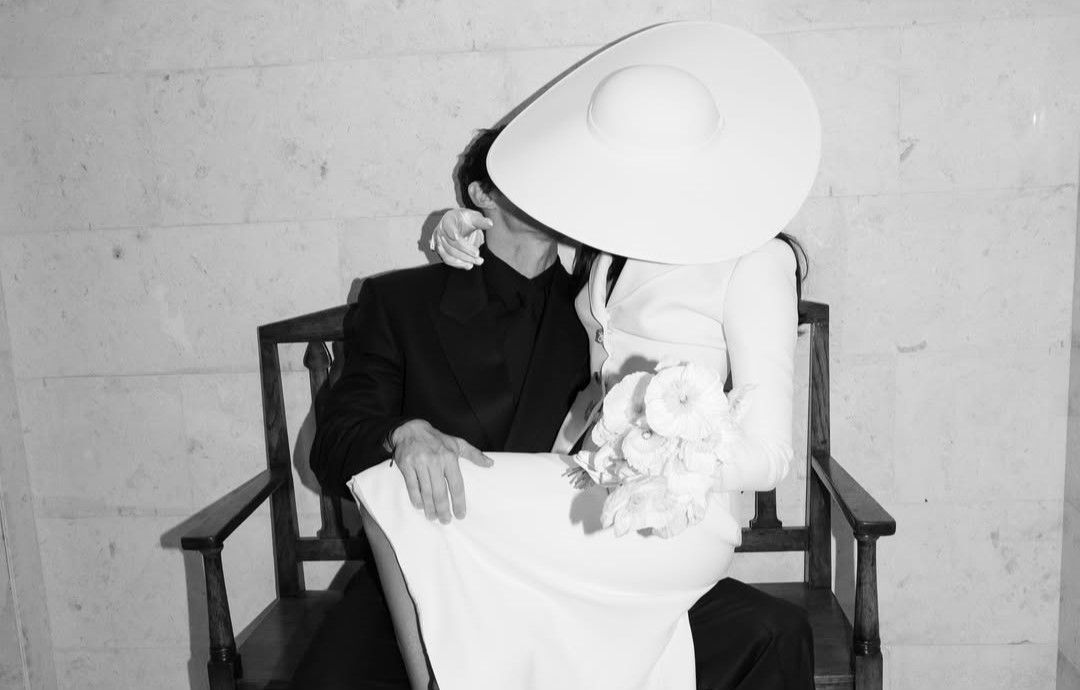
Dua Lipa's recent surprise wedding to actor Callum Turner sent ripples through the fashion world when the bride eschewed traditional bridal attire in favour of a custom ivory Schiaparelli skirt suit, channelling the sophisticated elegance of style icon Bianca Jagger's 1971 wedding ensemble. The choice proved more than a nostalgic nod—it marked a moment when fashion's most influential voices have begun reconsidering the skirt suit as a genuinely contemporary proposition rather than a relic of corporate convention.
For decades, the two-piece skirt suit remained tethered to narrow associations: the buttoned-up corporate wardrobe, the formal state occasion, the tried-and-tested uniform of women navigating traditionally male-dominated boardrooms. Yet fashion's cyclical nature has once again brought this once-staid silhouette back into focus, though contemporary designers are approaching it with a fundamentally different sensibility from their predecessors. What emerges on today's runways and street style galleries bears little resemblance to the rigid, restrictive interpretations that defined previous generations.
Proenza Schouler has emerged as a leading voice in this skirt suit reinvention, pairing architectural blazers with flowing midi skirts that prioritise fluidity and ease over the structured formality associated with traditional suiting. The label's approach demonstrates how relaxed tailoring and generous proportions can preserve the silhouette's inherent authority while introducing an approachability that resonates with modern sensibilities. This philosophy reflects broader shifts in how contemporary fashion approaches the concept of dressing with intention—less about conforming to rigid codes, more about personal agency and self-determination.
Vivienne Westwood's interpretation reveals yet another dimension of the skirt suit's evolution. True to the house's philosophy of marrying romance with rebellion, the label has consistently filtered the two-piece through an avant-garde lens, employing asymmetrical cuts, unexpected draping, and sculptural silhouettes that transform the traditional skirt suit into something deliberately subversive. This approach speaks to a younger generation of wearers for whom fashion carries ideological weight and serves as a form of creative expression rather than mere compliance with dress codes.
The particular appeal of the contemporary skirt suit lies in its positioning within the spectrum of modern dressing. Unlike a dress, which can feel too informal for certain occasions, or traditional trousering, which some associate with conformist corporate culture, the skirt suit occupies what designers call a "sweet spot"—simultaneously authoritative and accessible, polished yet playful. This equilibrium makes it remarkably adaptable across contexts and styling approaches, whether paired with sharp pointed pumps for evening occasions, practical loafers for professional settings, or casual trainers for a distinctly modern take on the silhouette.
Celebrities have increasingly recognised the skirt suit's potential as a statement-making garment. Zendaya's appearance at CinemaCon demonstrated how the silhouette can project contemporary sophistication and fashion confidence rather than corporate conventionality. Styled with her characteristic boldness, the ensemble transcended any suggestion of boardroom conformity, instead registering as an intentional fashion choice made by someone fluent in haute couture vocabulary. Similarly, Melania Trump's repeated embrace of tailored skirt suits from luxury fashion houses has reinforced the garment's enduring connection to power and presence, while simultaneously demonstrating its capacity to remain relevant across generational and aesthetic divides.
The broader context for this revival extends beyond mere fashion nostalgia. Contemporary consumers increasingly value wardrobe pieces that offer genuine versatility and longevity, rejecting the fast-fashion imperative toward disposable trends. A well-constructed skirt suit satisfies this hunger for intentional, multi-purpose dressing—it can transition from professional settings to social occasions, from day to evening, from season to season. This practicality, combined with its capacity for personal expression through styling variations, makes it particularly appealing to a generation conscious of consumption patterns and seeking garments that justify their place in a carefully curated closet.
The skirt suit's resurgence also reflects evolving conversations about femininity and power in contemporary culture. Rather than viewing the silhouette as a concession to conservative dress codes or an uncomfortable compromise between professional necessity and personal preference, contemporary fashion has reframed it as a deliberately chosen garment that can express both authority and style autonomy. Designers are demonstrating that you need not adopt traditionally masculine tailoring conventions to project confidence and competence—the skirt suit offers an alternative vocabulary of power that remains distinctly fashionable.
As this trend continues to evolve, the skirt suit's staying power ultimately derives from its fundamental flexibility. It can be subversive or conservative, playful or serious, depending on how one approaches the silhouette. This malleability ensures its relevance across different style tribes and aesthetic philosophies, from the avant-garde experimenter to the minimalist professional. In fashion's current moment, where individuality and intentional dressing have become paramount values, the skirt suit has transformed from an obligatory uniform into a genuine style choice—one that contemporary fashion's most influential voices are embracing with visible enthusiasm.

