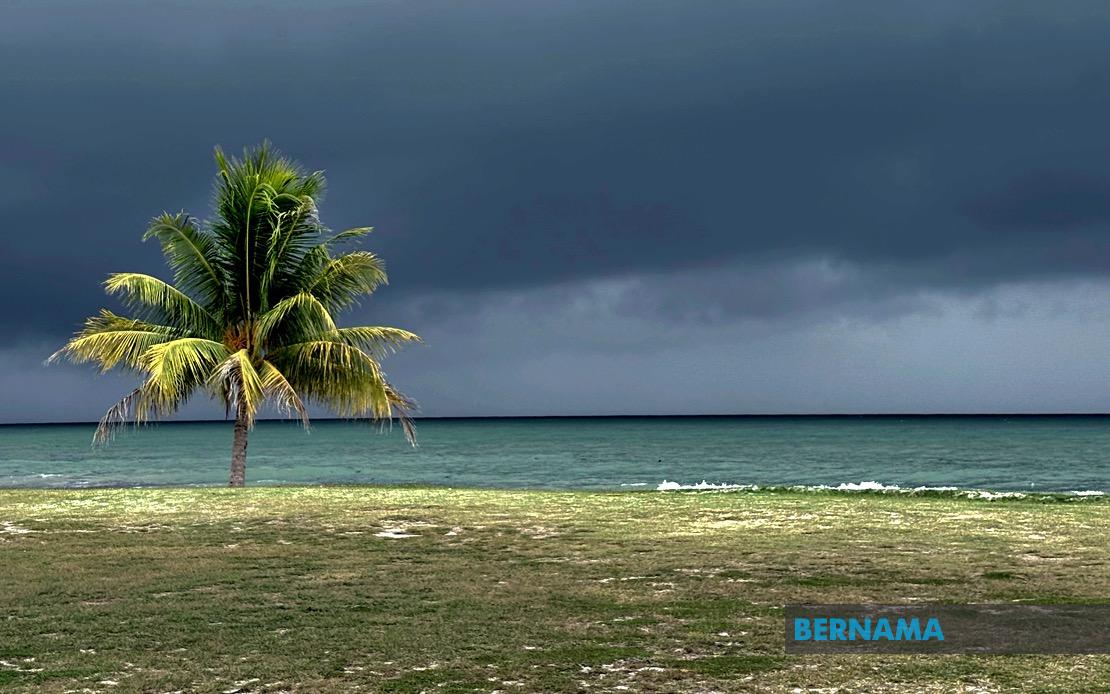
The Malaysian Meteorological Department has activated weather warnings across multiple districts in five states, cautioning residents to prepare for thunderstorms, heavy rain and strong winds extending through the evening of June 25. The alerts, which remain in effect until 11 pm, cover a geographically dispersed area spanning Peninsular Malaysia's east coast as well as two major East Malaysian territories, suggesting a widespread atmospheric disturbance affecting the broader region.
On the peninsula, the brunt of the adverse conditions will be concentrated in the east coast states. Kelantan residents in Kota Bharu, Bachok, Machang and Pasir Puteh face the highest risk, with these municipalities positioned directly along the exposed northeastern coastline where onshore winds typically funnel tropical moisture inland. Similarly, Terengganu's Kemaman district, which borders the South China Sea, sits in a vulnerable position for receiving enhanced precipitation from passing weather systems. Pahang's interior and coastal towns—Jerantut, Temerloh, Maran and Kuantan—round out the peninsular exposure, with Kuantan serving as the state capital and largest urban centre likely to experience significant disruption to daily activity.
The warnings extend substantially into East Malaysia, encompassing important population centres and remote regions. In Sarawak, Limbang's Lawas area in the northern reaches of the state falls under alert status, positioning residents near the Brunei border in the path of expected severe weather. Sabah experiences even broader coverage across its three geographical zones: the interior highland region encompassing Nabawan and Keningau, the strategically important west coast around Ranau, and the eastern division covering Sandakan and its neighbouring districts of Tongod, Telupid and Beluran. This tri-partite distribution indicates the weather system is expected to affect Sabah's diverse terrain from mountainous interior regions through to populated coastal settlements.
Thunderstorms accompanied by heavy rain present considerable hazards across all affected areas. Flash flooding constitutes the primary risk in low-lying districts and urban areas with inadequate drainage infrastructure, particularly in towns like Kuantan, Sandakan and Kota Bharu where rapid precipitation can overwhelm stormwater systems. Strong winds associated with thunderstorm cells pose dangers to outdoor structures, transport networks and open-water activities, with the coastal exposure of several warned districts creating additional maritime hazards. Residents in Kelantan and Terengganu, accustomed to northeast monsoon impacts, likely maintain greater preparedness, though the June timing—outside typical peak monsoon season—may catch some populations less vigilant.
The geographical spread of these warnings reflects the complex meteorological dynamics governing Malaysia's inter-monsoon periods. June typically represents a transition month between major seasonal wind patterns, during which localised convective systems can develop with limited predictability. The involvement of both peninsula and East Malaysian territories suggests a significant weather system rather than isolated thunderstorm development, potentially driven by thermal heating over landmasses combined with moisture convergence. The afternoon and evening timeframe for peak impacts aligns with typical diurnal heating cycles that strengthen atmospheric instability.
Commuters and transport operators should anticipate potential disruptions throughout the evening hours. Road visibility may deteriorate sharply during thunderstorm passages, while wind gusts could affect high-sided vehicles and motorcycles. Public transport services, particularly buses and taxis operating along coastal and inter-state routes, may experience delays. Aviation operations at regional airports in Kota Bharu, Kuantan, Kuching and Sandakan could face temporary restrictions pending weather clearance. Seafaring communities, including fishermen in the South China Sea and coastal traders, should avoid venturing into open waters during the warning period.
The temporal limitation of these warnings until 11 pm suggests MetMalaysia's confidence that weather conditions will stabilise during the night hours, with the system either dissipating or moving beyond the affected regions. However, residents should monitor official updates throughout the evening, as weather systems occasionally persist or shift coverage areas. Emergency services across all five states have presumably been placed on heightened alert to respond to weather-related incidents including flooding, fallen trees and infrastructure damage.
For Malaysian households and businesses across the affected districts, practical precautions remain advisable. Securing loose outdoor items, ensuring roof structures are sound and clearing drainage pathways represent basic preparation measures. Businesses dependent on outdoor operations—construction sites, markets and open-air manufacturing—should consider temporary closure or protective measures. Essential supply chains serving remote districts like Keningau and Lawas may experience delivery delays if road conditions deteriorate severely.
The regional scope of these warnings underscores the reality that tropical weather systems operate at scales transcending state boundaries and administrative divisions. Coordination between state meteorological offices and federal emergency management agencies becomes critical during such widespread events. Residents across Kelantan, Terengganu, Pahang, Limbang and central-eastern Sabah should view this alert as a routine but serious advisory common to Malaysia's equatorial climate, where intense convective weather remains an annual feature across diverse regions.

