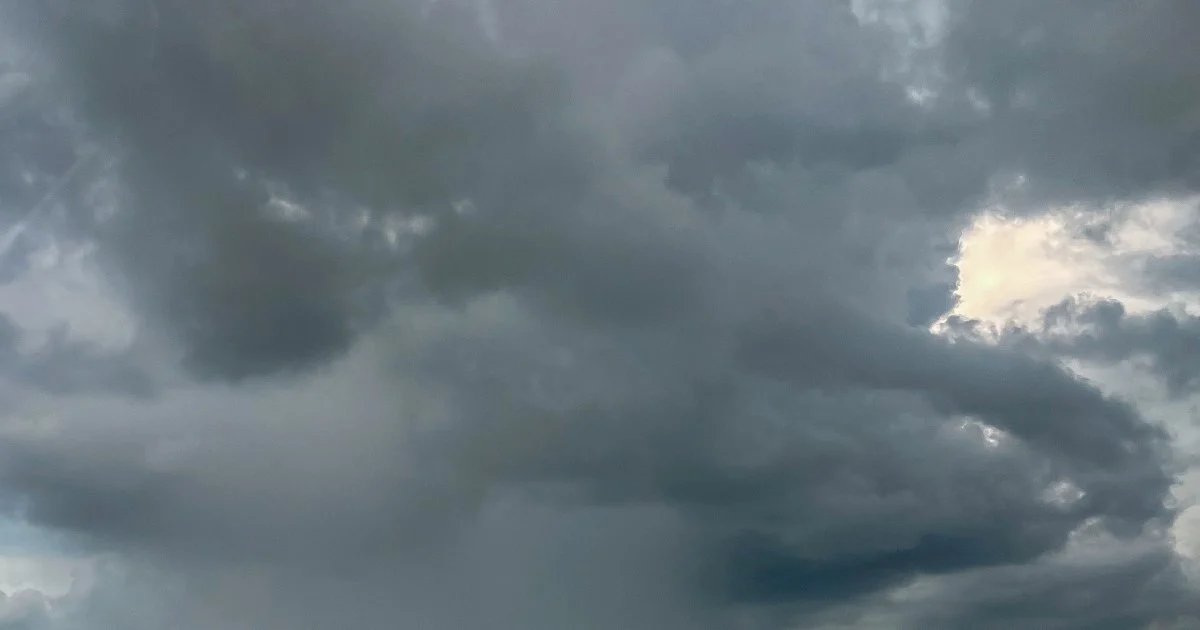
Severe thunderstorms are expected to sweep through four northern Malaysian states today, prompting the Malaysian Meteorological Department (MetMalaysia) to issue an urgent alert for residents and authorities to prepare for hazardous weather conditions until midday. The warning encompasses significant rainfall and potentially damaging wind gusts, creating risks across the affected regions that authorities urge residents to take seriously.
MetMalaysia's advisory comes at a time when northern Malaysia frequently experiences volatile weather patterns tied to seasonal wind shifts and moisture-laden systems moving across the peninsula. The department has specifically highlighted the intensity of today's weather system, emphasising that both precipitation and wind speeds warrant precautionary measures from residents, motorists, and business operators in the warned areas.
Thunderstorms of this magnitude can trigger rapid flooding in low-lying areas and valleys, particularly in districts with inadequate drainage infrastructure or where upstream catchment areas funnel water quickly downslope. Residents in flood-prone zones should remain vigilant and prepared to evacuate if water levels rise unexpectedly. Local authorities typically activate emergency response teams during such warnings to monitor water courses and provide swift assistance where needed.
The strong wind component of these thunderstorms poses distinct hazards beyond rainfall alone. Powerful gusts can damage unsecured structures, topple trees, compromise power lines, and create hazardous driving conditions on exposed highways. Motorists traversing northern routes should reduce speeds and exercise caution, particularly on elevated sections where wind effects are amplified. Commercial operations involving outdoor installations or temporary structures should secure or dismantle equipment preemptively.
MetMalaysia's forecasting capabilities have improved markedly over recent years through enhanced radar networks and computational modelling. The department's ability to issue precise timing for severe weather—in this case, extending warnings through noon—allows residents and authorities crucial hours to implement protective measures. The noon deadline suggests the weather system is expected to weaken or move beyond the warned areas after that point, though residents should monitor official updates for any extensions.
For businesses operating in the northern states, such weather warnings typically necessitate operational adjustments. Agricultural activities, construction sites, and outdoor service providers must suspend operations or take protective steps to minimise losses. Insurance and emergency management protocols activate across the region as authorities prepare for potential incidents ranging from traffic accidents to infrastructure damage.
The timing of weather alerts like these reflects MetMalaysia's commitment to disaster risk reduction. By providing advance notice with specific duration parameters, the department enables ordinary Malaysians to make informed decisions about travel plans, work arrangements, and family safety. This proactive approach has become increasingly sophisticated, though public compliance remains essential to maximising the protective value of such warnings.
For residents in the affected states, today's conditions underscore the unpredictable nature of tropical weather systems. While individual thunderstorms are commonplace in Malaysia's equatorial climate, those accompanied by MetMalaysia warnings indicate higher-than-typical severity. Families should ensure emergency supplies are accessible, charge communication devices, and confirm that drainage around homes is unobstructed to facilitate rapid water runoff.
Historically, unpreparedness during severe thunderstorms has led to preventable injuries, deaths, and property losses across Malaysia. Public awareness campaigns increasingly emphasise that weather warnings serve as actionable intelligence rather than mere forecasts. The distinction matters: a warning should trigger concrete protective behaviour, not passive acknowledgement.
As Malaysia continues developing its infrastructure and urban areas expand into previously undeveloped terrain, the importance of heeding meteorological guidance grows. Sealed surfaces and altered drainage patterns in rapidly urbanising regions can exacerbate flooding during intense rainfall events. Communities should use periods between severe weather events to assess their vulnerability and implement long-term resilience measures alongside short-term emergency responses.
The northeast monsoon season, which influences weather patterns across northern Malaysia, typically brings episodes of vigorous thunderstorm activity. Today's warning fits within this seasonal pattern, though the specificity and timing suggest a particularly organized system. Residents accustomed to tropical weather should treat such alerts as opportunities to refresh their emergency preparedness rather than sources of routine concern.

