President José Ramos-Horta of Timor-Leste departed from Kuala Lumpur International Airport in the early hours of June 17, bringing to a close a five-day diplomatic mission aimed at deepening ties with Malaysia and advancing regional cooperation frameworks. The Nobel Peace Prize winner and his delegation boarded a Batik Air service scheduled for 2.15 am, marking the end of an engagement that touched on matters critical to both nations' roles in Southeast Asia's evolving geopolitical landscape.
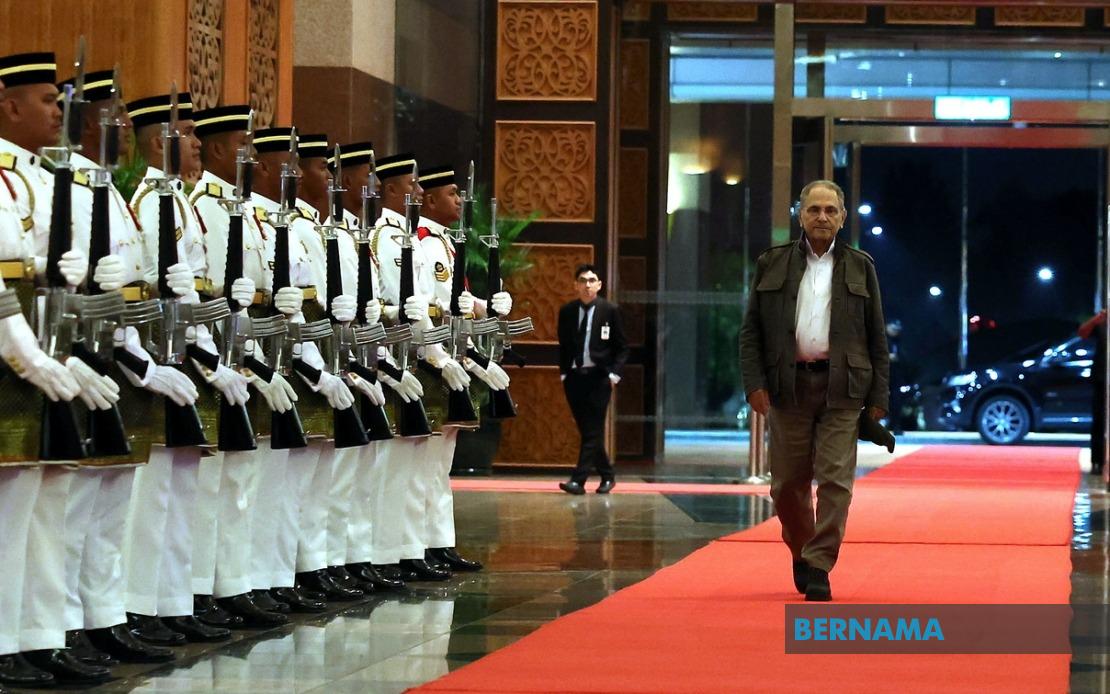
The departure formalities reflected the importance Malaysia places on its relationship with its eastern neighbour. Upon arrival at the Bunga Raya Complex at KLIA, Ramos-Horta received a formal Guard of Honour mounted by the First Battalion Royal Ranger Regiment under the command of Captain J. Lingesri Rao. The ceremonial treatment underscored the protocol-level significance both governments attach to strengthening their partnership during a period when Timor-Leste is consolidating its relatively recent independence and regional integration.
Central to the visit was Ramos-Horta's participation in a dialogue session on June 15 titled "A Changing World, Enduring Values," where he characterized bilateral relations as "exceptionally good." The choice of forum reflected a deeper engagement with Malaysian civil society and policy circles beyond traditional state-to-state channels. Ramos-Horta took the opportunity to publicly acknowledge Malaysia's institutional strengths in security governance, democratic practice, and economic management, positioning Malaysia as a model worthy of Timor-Leste's study and emulation as it navigates post-conflict state-building.
A significant portion of Ramos-Horta's remarks focused on Malaysia's historical role in supporting Timor-Leste through its most vulnerable transitions. He specifically recognized Malaysia's backing during the 1999 peacekeeping intervention, a pivotal moment when the newly independent nation faced existential instability. More recently, Ramos-Horta highlighted Malaysia's instrumental support during its 2024 bid for full ASEAN membership, which culminated in Timor-Leste formally becoming the bloc's 11th member on October 26, 2025. This endorsement carried weight given Malaysia's standing within ASEAN and its influence during its chairmanship period.
Looking ahead, the Timorese leader expressed confidence in his nation's capacity to host the ASEAN Summit in 2029, a responsibility that carries significant logistical and diplomatic implications for a developing nation. He indicated that infrastructure projects and facilities expansion are being accelerated to meet international hosting standards. This undertaking is central to Timor-Leste's strategic vision for demonstrating regional maturity and competence on the world stage, with Malaysia's experience in hosting major multilateral events likely serving as an instructive reference point.
Economic cooperation emerged as another pillar of the discussions. Ramos-Horta extended an explicit invitation to Malaysian investors to explore infrastructure development opportunities within Timor-Leste. His pitch emphasized the country's advantageous fiscal position, highlighting its relatively low debt burden and substantial sovereign wealth fund as stabilizing factors. He also drew attention to support available from multilateral financial institutions, suggesting that Malaysian investors could access concessional financing frameworks alongside direct commercial opportunities. This positioning reflects Timor-Leste's growing confidence in its economic fundamentals and desire to diversify sources of capital inflow beyond traditional development partners.
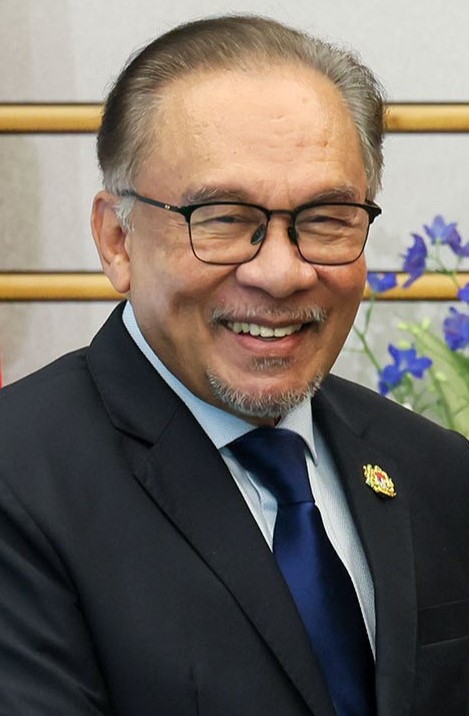
Prime Minister Datuk Seri Anwar Ibrahim reinforced these economic overtures during a luncheon hosted at Seri Perdana on June 16, where both leaders engaged in substantive exchanges regarding potential collaboration across multiple sectors. The discussions ranged across traditional trade and investment channels, but notably expanded into human capital development, education, and technical training. This broadened scope suggests both governments view the relationship as transcending simple merchandise exchange and instead encompassing capacity-building and knowledge transfer mechanisms that could yield longer-term institutional benefits.
The trade data, however, reveals asymmetries that both nations will likely seek to address. In 2024, bilateral commerce totalled USD18.72 million, equivalent to approximately RM85.68 million. Malaysian exports to Timor-Leste constituted USD18.37 million, or RM84.06 million, while Timorese exports to Malaysia reached only USD0.35 million, or RM1.62 million. This stark imbalance suggests significant untapped potential for Timorese exports and points to structural challenges in Timor-Leste's productive capacity that broader trade and investment initiatives might help address.
The modest trade volume also underscores why Malaysian investors view Timor-Leste primarily as a market for goods and services rather than as a source of imports. However, the infrastructure-focused investment pitch suggests this dynamic could gradually shift as Timor-Leste develops productive capacity. For Malaysian investors, the timing may be propitious, as early-mover advantages in infrastructure development could establish market presence and relationships ahead of larger international competitors.
From Malaysia's perspective, deepening ties with Timor-Leste carries strategic significance beyond immediate commercial returns. As ASEAN's newest member, Timor-Leste occupies a position in the eastern maritime periphery of the bloc, offering potential partnerships in maritime security, resource management, and regional stability. Malaysia's engagement during this formative period in Timor-Leste's ASEAN membership could foster long-term alignment on regional priorities and institutional practices.
Ramos-Horta's characterization of relations as "exceptionally good" and his public commendations of Malaysian governance achievements suggest a relationship marked by genuine reciprocal respect rather than transactional interest alone. This foundation becomes particularly relevant as both nations navigate emerging challenges in maritime governance, climate adaptation, and security cooperation across the broader Indo-Pacific region. The five-day visit, while focused on bilateral matters, thus carries implications extending into the broader architecture of Southeast Asian cooperation and stability during a period of significant geopolitical flux.