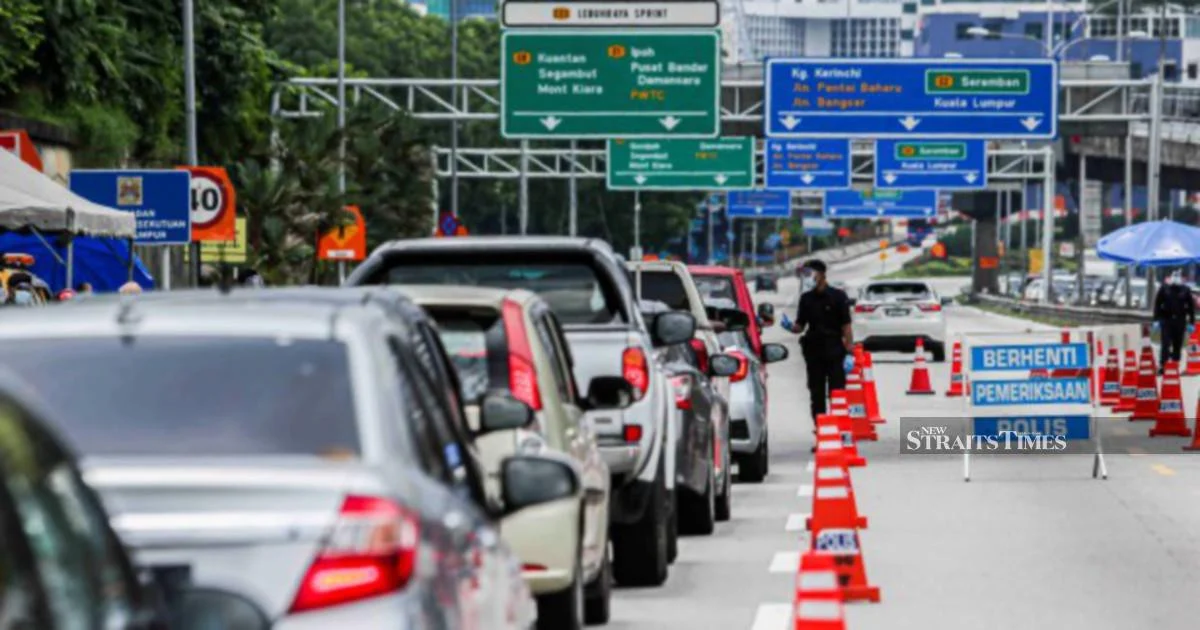
Malaysia's motoring public faces substantially higher penalties for traffic violations if parliament approves wide-ranging amendments to the Road Transport Act 1987. The proposed changes would raise maximum compound rates for more than 700 separate road traffic offences to RM500, a move that underscores the government's intensified focus on road safety and compliance enforcement across the nation.
The legislation, which targets Act 333, would represent a fundamental shift in how Malaysian authorities penalise traffic violations. Currently, the compound structure reflects rates that have remained largely static for years, with maximum penalties varying significantly across different offence categories. By consolidating and elevating these thresholds to a uniform RM500 ceiling, policymakers aim to create more consistent deterrence across the entire spectrum of motoring infractions, from minor equipment failures to dangerous driving practices.
Road safety advocates have long argued that penalties must keep pace with inflation and the rising costs associated with accidents and injuries. Over the past decade, Malaysia has grappled with persistently high road fatality rates, ranking among the worst in the Asia-Pacific region. Traffic enforcement officials have pointed to inadequate penalties as a constraint on their ability to modify driver behaviour, particularly among habitual offenders who view current fines as merely a cost of doing business rather than a meaningful deterrent.
The breadth of offences covered by these amendments is striking. Beyond the obvious categories—speeding, running red lights, dangerous driving—the 700-plus offences encompassed include vehicle maintenance failures, licensing violations, documentation irregularities, and various breaches of the vehicle inspection framework. This comprehensive approach suggests the amendments aim not merely to punish serious violations but to tighten compliance across the entire regulatory ecosystem that governs vehicle operation and driver conduct.
For Malaysian drivers, the financial implications are tangible and immediate. A commuter previously facing a RM200 fine for a first-time speeding infraction might now encounter RM500 in compound fees. Those with multiple violations could accumulate penalties substantially faster, making traffic enforcement a more expensive proposition for the average motorist. This cost structure may prove particularly onerous for lower-income drivers and delivery workers who depend on their vehicles for livelihood and spend considerable time on congested roads.
The timing of these amendments reflects broader regional and global trends in traffic safety policy. Singapore, Thailand, and Indonesia have all implemented or escalated penalties in recent years, recognising that incremental enforcement alone cannot curb persistent behavioural problems. Malaysia's move appears calibrated to bring its penalty structure into closer alignment with regional norms while addressing specific local concerns about rising accident rates in urban centres and along critical highways.
Parliamentary debate on the amendments will likely surface tensions between different stakeholder groups. Commercial transport operators, taxi and ride-hailing services, and logistics companies will scrutinise how the changes affect their operational costs and driver incentives. Meanwhile, consumer advocates may raise concerns about regressive impact, arguing that uniform penalties disproportionately burden those with fewer financial resources. Road safety organisations, conversely, will probably support the measures as necessary tools for behavioural modification.
The enforcement landscape will also shift materially. Traffic police units and local council enforcement officers would gain clearer authority to impose higher compounds, though questions remain about how discretionary powers would operate within the new framework. Officers currently accustomed to negotiating settlements around lower maxima would need retraining and recalibration of their enforcement practices. Additionally, the penalty increase may generate immediate appeals and legal challenges from affected drivers claiming disproportionate punishment.
For Malaysia's insurance industry, the amendments present both risks and opportunities. Higher penalties might reduce claim frequency if drivers alter behaviour to avoid elevated fines, yet simultaneously increase administrative burden as more drivers challenge compounds through insurance-supported appeals. Insurers may also adjust premium structures to reflect changing violation patterns and enforcement intensity, potentially raising costs for drivers with infractions or higher perceived risk profiles.
The economic ripple effects extend beyond individual drivers. Commercial transport—whether rideshare services, food delivery platforms, or freight operators—would factor these compounds into operational budgeting. Increased costs could translate into higher fares or delivery fees for consumers, while competitive pressures might force some operators to compress driver compensation, effectively passing penalty risk directly to those earning least from road work.
Implementation details remain critical to the amendments' eventual impact. The amendments must clarify how escalation works for repeat offences, whether certain violations attract mandatory minimums, and how compounds interact with demerit point systems. Clear statutory guidance on these points would prevent inconsistent application across different traffic police jurisdictions and reduce grounds for legal dispute.
The parliamentary journey ahead will test whether Malaysia's legislators view the RM500 ceiling primarily as a revenue mechanism or as a genuine tool for improving road safety outcomes. If coupled with enhanced education campaigns and intelligence-led enforcement targeting accident hotspots, the penalty increases could meaningfully reshape driver behaviour. Without such complementary measures, higher compounds risk becoming merely a heavier tax on motoring without corresponding reductions in fatalities or injuries. Southeast Asian neighbours will likely watch this legislative moment closely, as outcomes here may influence their own deliberations on traffic enforcement strategy.

